

The Conservative government’s response to the IRAL report has raised plenty of alarm bells from UK constitutional scholars. The widespread observation that the government’s judicial review reform plans appear to go well beyond what the Independent Panel recommended points to a more fundamental problem: that the government seems to proceed from a very partial understanding (at best) of the UK ‘constitution’.
In this short blog post, which draws on the account of constitutional democracy I develop in a monograph to be published later this year by Hart, I argue that the government fundamentally misunderstands (or misrepresents) the UK constitutionalist model. It does so especially when it affirms (at paras 24-25 of its response) that the ‘historical developments’ of judicial review are not ‘in any way indicative of how the courts and the UK Constitution “ought” to evolve in the future’, with the result that Parliament is ‘completely free to…
View original post 2,108 more words


 Two cousins fighting for the right to rule England during the 16th century. One was the daughter of Henry VIII and Anne Boleyn who fought tooth and nail to rule without a man by her side. The other was the daughter of Mary of Guise and King James V of Scotland whose marriage record would prove to be fatal. Elizabeth I and Mary, Queen of Scots, may have been sister queens, but the way they were treated in their own countries differed completely. While Elizabeth I was praised and protected from harm in England, Mary was a scapegoat for so many in Scotland. The way that Mary was used as a pawn even though she wore a crown was nothing short of extraordinary. The story of how these two queens came on a collision course that would leave one queen beheaded and the other forever changed has been told in…




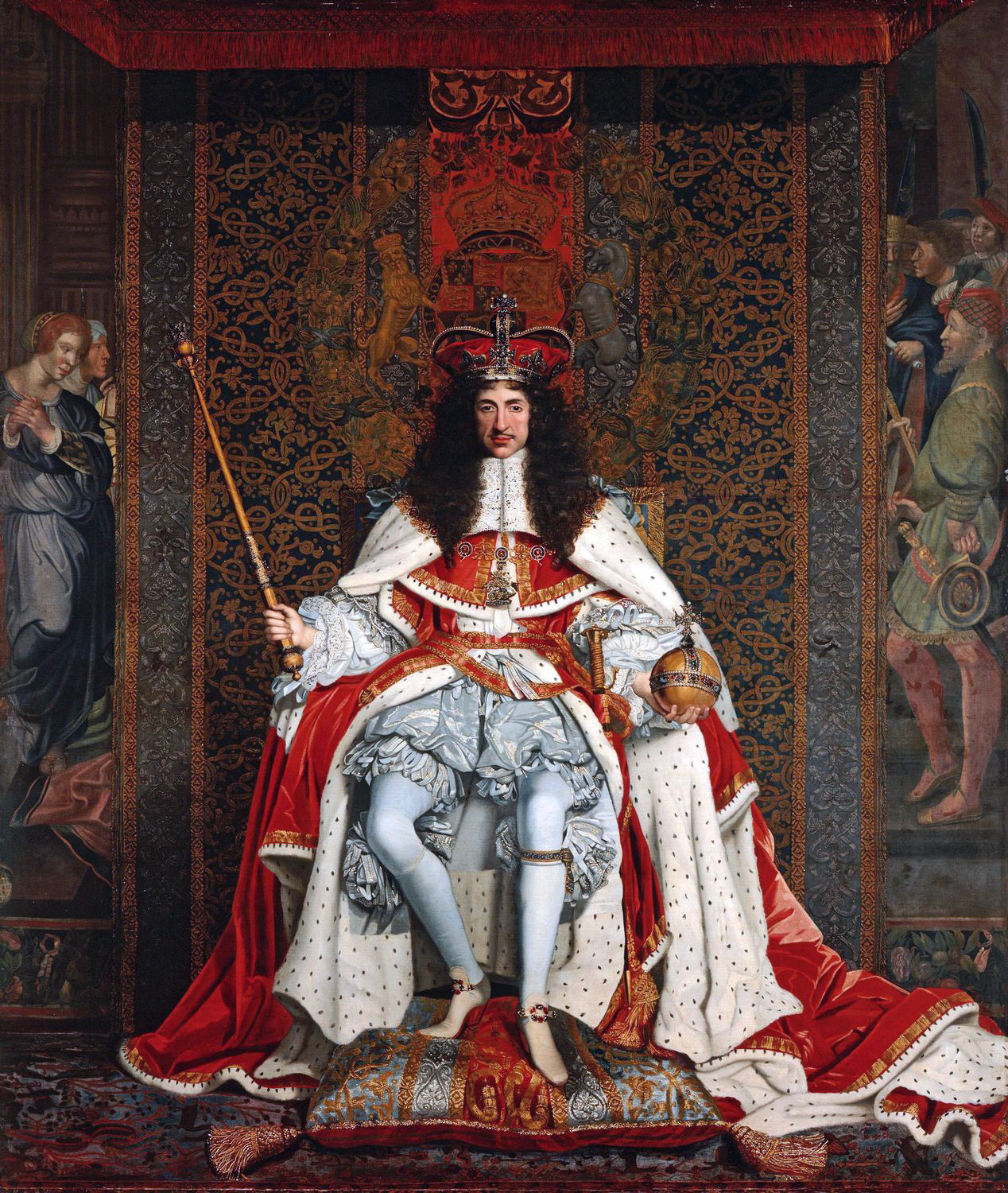 After Charles I’s execution at Whitehall on January 30, 1649, at the climax of the English Civil War, the Parliament of Scotland proclaimed Charles II king on February 5, 1649. But England entered the period known as the English Interregnum or the English Commonwealth, and the country was a de facto republic led by Oliver Cromwell.







Recent Comments