Do Liberals And Conservatives Really Have Different Moral Foundations? Differences May Be Less Clear Cut Than Often Claimed
16 Mar 2021 Leave a comment
What the IMF has advised
16 Mar 2021 Leave a comment

Following on from yesterday’s post looking at what the IMF had advised the government on housing issues in the Concluding Statement from the recent Article IV consultation, I got curious about how that advice had evolved over the years. I could recall some bits and pieces, but I thought something a little more systematic might be in order.
I had hoped to look at the Concluding Statements going back 20 years, to encompass at least the house price surge in the 2000s, but the Concluding Statements I could find on the IMF’s website go back only as far as the (March) 2009 consultation. But at least starting from there encompasses a full economic cycle. In March 2009 all the attention was on the recession, the global crisis pressures, and so on. House prices had been falling, but not dramatically so and so got little attention.
Productivity issues are not the…
View original post 1,386 more words
Parliament and Forced Colonial Labour in Richard Cromwell’s Parliament, 1659
16 Mar 2021 Leave a comment

In today’s blog Dr Stephen Roberts concludes his three-part blog series discussing parliamentary reactions to the 17th century transatlantic slave trade. Here Dr Roberts considers the case of a group of political prisoners who had been transported as indentured servants in 1655.
As noted in the first blog, the transportation of slaves from West Africa grew proportionally with the development of the Caribbean as an important component of the English colonial economy; and as noted in the second, there was a lively political discourse in 1640s and 50s England centred on liberties and slavery, even if much of it was rhetorical. Only on occasion did the compartmentalized worlds of English liberties and overseas slavery collide in Parliament, much to the discomfort of MPs.
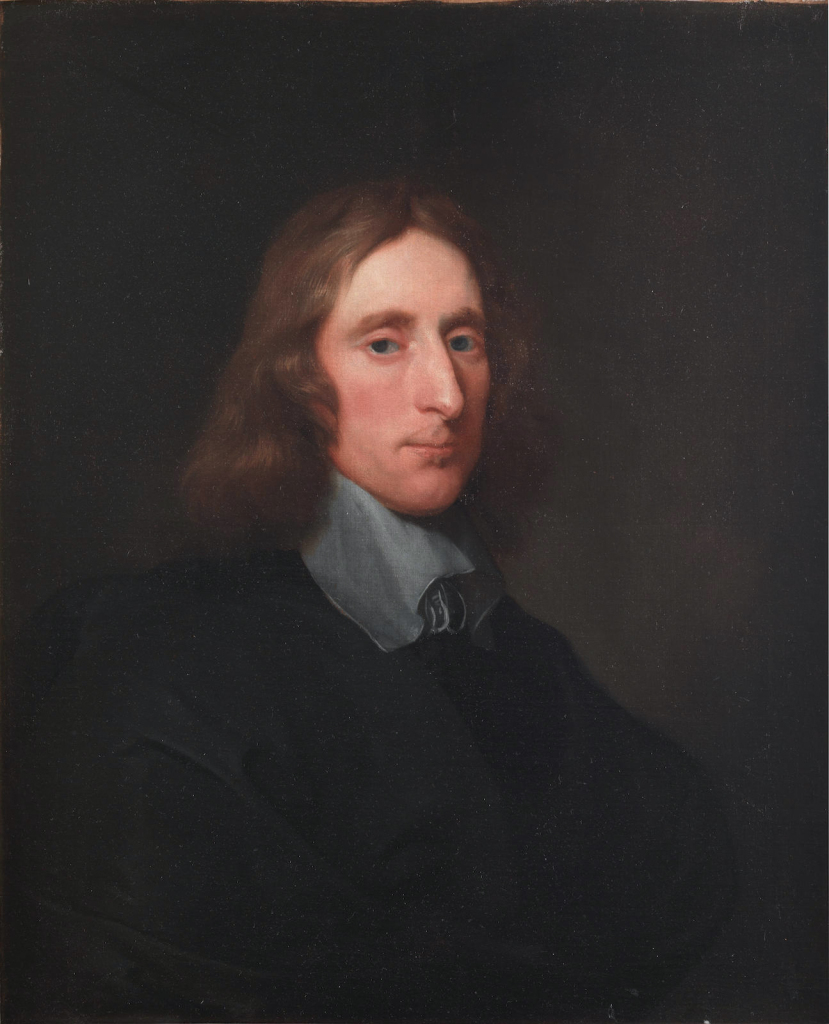
One such episode came in March 1659. Unhelpfully to the Cromwellian government, the chairman…
View original post 706 more words
Amnesty U.K. What’s going on?
15 Mar 2021 Leave a comment

Like many people I have ceased to donate to Amnesty following the revelation they took advice from Pimp Lobby groups before deciding to adopt the stance #SexWorkIsWork. The majority of the sold are women and the purchasers are, almost invariably, male no matter the sex of those being traded. A purported human rights organisation which prioritises male sexual entitlement over their victims is a Human Rights organisation only because they self-identify as such. 👇
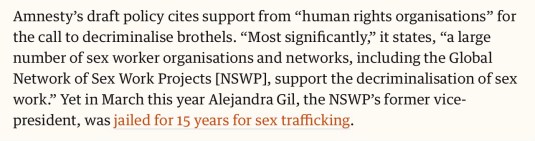
You can read about this in full here https://www.theguardian.com/commentisfree/2015/oct/22/pimp-amnesty-prostitution-policy-sex-trade-decriminalise-brothel-keepers
As if to remove all doubt about their anti-women stance Amnesty Ireland recently castigated women for defending their sex based rights. Below is an astonishing foray into the controversy of allowing men to self-identify as women. Women who point out the conflict with sex based rights are lazily conflated with far right organisations and, Amnesty argues, should be denied representation for these views.
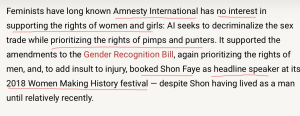

You can…
View original post 441 more words
The Tudors: Mary I (1553-1558)
15 Mar 2021 Leave a comment

The reign of Mary I is perhaps best summarized by Winston Churchill in his History of English Speaking Peoples: “The woman who now became Queen was probably the most unhappy and unsuccessful of England’s sovereigns… Mary had all the obstinacy of the Tudors and none of their political sense. She was now on the threshold of her dreams – a Catholic England united in intimate alliance with the Catholic Empire of the Hapsburgs” (257-258).
Mary was a sickly child but she was born into the prospect of one day becoming Queen. She was the first child to survive from Henry’s first wife, Catherine of Aragon. Those lofty hopes of succession were soon dashed when Henry voided his marriage to Catherine in 1533. At the time, various European princes had lined up as potential suitors for Mary, but they were immediately discarded when her mother’s marriage to Henry VIII ended…
View original post 988 more words
THE BORGIAS: THE HIDDEN HISTORY by G. J. Meyer
15 Mar 2021 Leave a comment

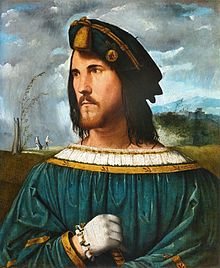
One of the most fascinating families in history are the Borjas/Borgias; a family that produced a series of controversial characters from Pope Alexander VI, Cesare, and Lucrezia. The story that encompasses the Spanish family that would dominate the Italian Renaissance is said to involve barbarity, rape, misinformation, political and religious machinations, and possibly incest. The questions surrounding the family have baffled historians for centuries and it appears that much of their reputation can fall into the category of myths. Historian, G. J. Meyer has taken on the task of unraveling these myths in his family biography, THE BORGIAS: THE HIDDEN HISTORY as he argues that the Borgia problem began in the early 16th century as Reformation propagandists depicted the papacy in less than positive terms and blamed the Borgias for every conceivable crime. Meyer’s approach is to ask, “long neglected questions” and a refusal to accept judgements…
View original post 1,251 more words
Russia & Greens jubilant: Boris Johnson considers ban on UK oil and gas exploration
15 Mar 2021 Leave a comment

 North Sea oil platform [image credit: matchtech.com]
The UK is getting more like California every day in terms of an obsession with phony climate virtue signalling, with its drive to weaken the energy industry wealth creators and subsidise their so-called ‘renewable’ competitors.
– – –
Ministers are considering declaring the beginning of the end for the North Sea oil industry with a ban on new exploration licences, says The Sunday Telegraph (via The GWPF).
The radical move is on the table as part of a decisive shift away from fossil fuels and as part of preparations for the crucial climate summit the Government is due to host in Glasgow in the autumn.
Britain is already legally bound to deliver “net zero” carbon emissions by 2050.
View original post 117 more words
TRENCH WARFARE, 1915–1917
13 Mar 2021 Leave a comment

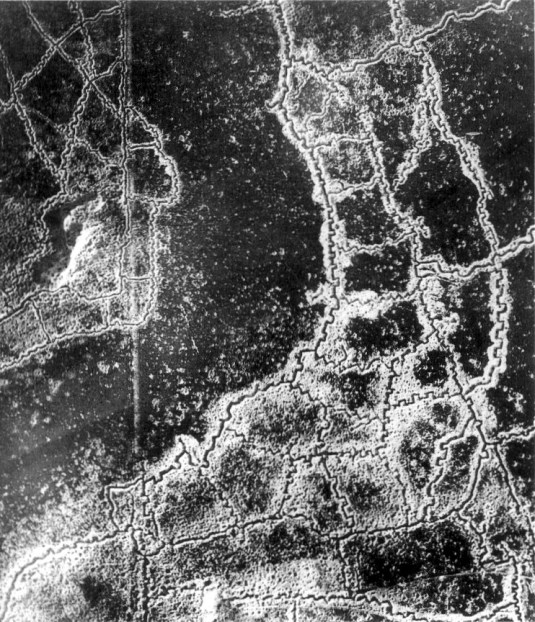
Aerial view of opposing trench lines between Loos and Hulluch, July 1917. German trenches at the right and bottom, British at the top-left.


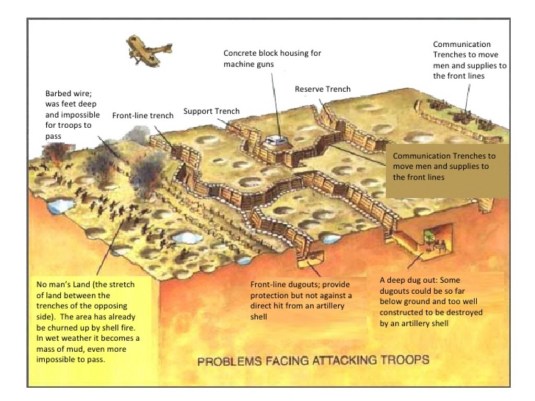
The trench systems of 1915, 1916 and early 1917 became increasingly sophisticated as time, the lack of any significant advances or withdrawals and lengthy periods of inactivity allowed the soldiers abundant opportunities to improve the environment in which they lived and fought. Emplacements were routinely dug to depths of ten or twelve metres and included command and observation posts, bombardment shelters, sniper, machine-gun and sentry positions and suchlike, as well as field kitchens, medical aid posts and all manner of storage facilities (including often large quantities of ammunition and explosives). In early 1915 a typical basic dugout or shelter was constructed up to one metre wide (but no wider, in order to minimize the consequences of a direct hit by a shell), their sides reinforced with planks…
View original post 2,001 more words
The Tudors: Edward VI & Lady Jane Grey (1547-1553)
13 Mar 2021 Leave a comment
Edward, the only son of Henry VIII and Jane Seymour, was crowned king of England in February 1547 at age nine. Thomas Cranmer, the first Protestant Archbishop of Canterbury, presided over the boy’s coronation. Sixteen years earlier Cranmer had helped Henry VIII establish the crown’s supreme authority over the church. Now, Cranmer used Edward’s coronation to showcase his newfound power. He surprised the coronation audience by turning to face them and explain that the king’s imperial authority was not answerable to the people, but only to God. This manner of absolutism that began under Henry VIII was more fully realized in the kingship of young Edward VI.
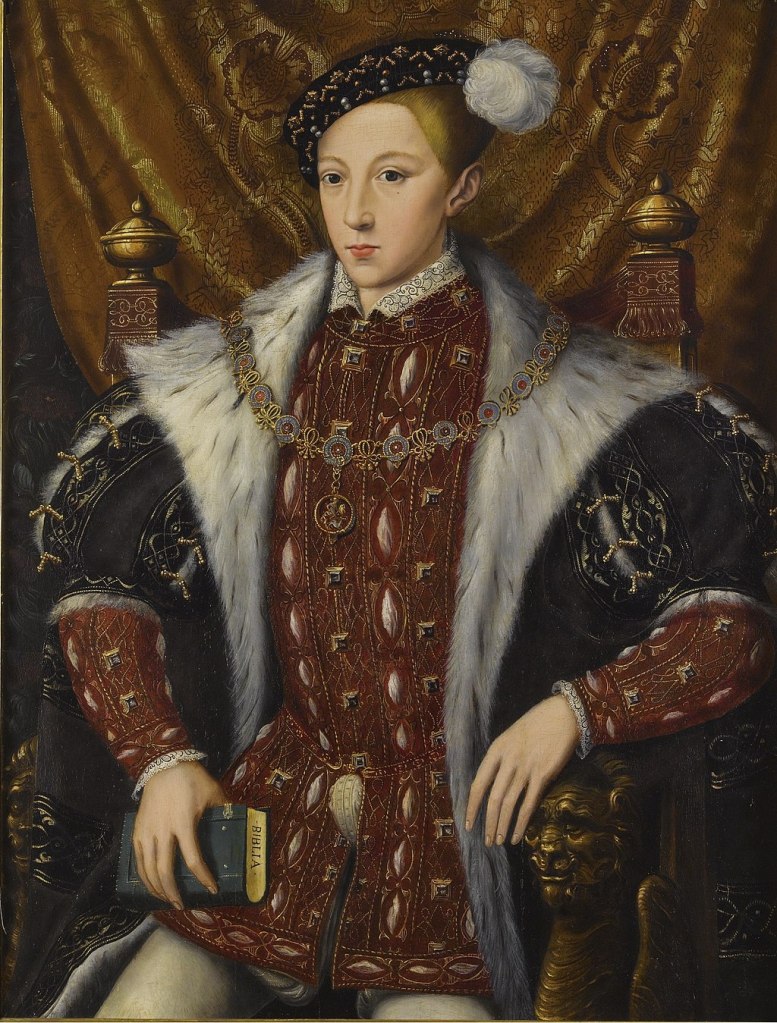
From a very young age, Edward was educated into the new school of Protestant reform. He was a serious and studious young man who was fervent, severe, and self-righteous in his theological inclinations. The…
View original post 794 more words
The World’s Most Politically Illiterate Statement
12 Mar 2021 Leave a comment

Exactly one month ago, I declared that Congresswoman Ayanna Pressley deserved an award for the “world’s most economically illiterate statement” because of her claim that “poverty is not naturally occurring.”
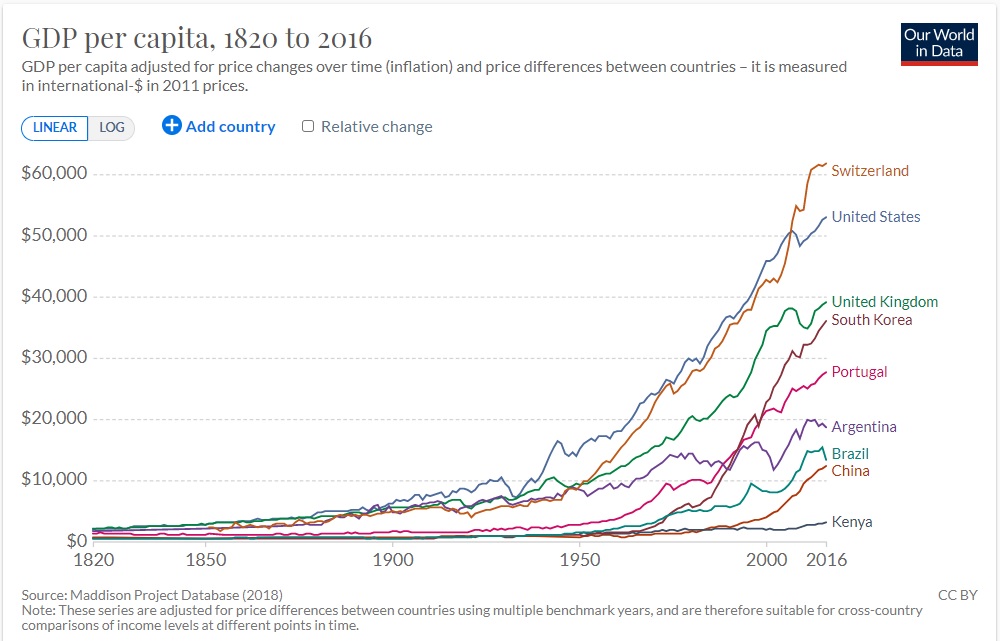 In reality, poverty has been the norm throughout history. As documented by Professors Deirdre McCloskey and Don Boudreaux, it was only the development of capitalism (starting a few hundred years ago in Europe) that enabled humanity to enjoy amazing and unprecedented increases in living standards.
Moreover, Ms. Pressely was trying to argue that redistribution was the proper way to address poverty, and I concluded my column by noting “that part of her statement also is wrong, according to both U.S. data and global data.”
Today, I want to debunk another preposterous assertion.
David Smith of the U.K.-based Guardian wrote a column yesterday claiming that Biden’s so-called stimulus should be celebrated since it marks an end to forty years…
View original post 522 more words
Democracy or Partnership – what do we want?
12 Mar 2021 Leave a comment

The departure of Donald Trump from the White House was a victory for the US democratic system, which only just succeeded.If then Vice President Mike Pence had wavered under enormous pressure from President Trump and his cult-like supporters, Joe Biden might not be in the White House and there would have been serious civil disorder.The Republicans haven’t given up, they are now trying to make voting more difficult in several states.Democracy is a model under threat from many quarters, and losing around the world.
It is easy to forget how recently democracy has become mainstream.In Britain women over the age of 21 only got the vote in 1928 and in the US, universal suffrage only became accessible to all Afro-Americans in the last 55 years, because, prior to the 1960s voting reforms, there was serious voter suppression in parts of the country.Some former East European countries like Hungary have retreated…
View original post 1,472 more words
Chloe Swabrick helps scuttle medicinal cannabis bill because it embraces a “pharmaceuticalised commercial model”
11 Mar 2021 Leave a comment

The National Party’s deputy leader and health spokesperson, Shane Reti, popped into the news yesterday because he was promoting a bill before Parliament which aimed to make medicinal cannabis more affordable and accessible.
The Greens Chloe Swabrick was among the MPs who voted against the bill, among other reasons because …
“It represents a highly pharmaceuticalised, commercial model…”
Does this mean she wants amateur growers to get a slice of the medicinal action? Or gang members?
Reti told RNZ the bill had three key points: cannabis with low THC could be obtained over the counter; it improved the MedSafe consenting process; and the prescribing regime would be pharmacy dispensing, such as in the US.
Moreover, the bill addressed some issues under the current regime, such as tightening up the eligibility of who can manufacture medicinal cannabis.
A key consideration was that two years after the medicinal cannabis law took effect
View original post 1,470 more words
THADDEUS STEVENS: CIVIL REVOLUTIONARY, FIGHTER FOR RACIAL JUSTICE by Bruce Levine
09 Mar 2021 Leave a comment

Today we find ourselves living in an America where the Republican Party seems to stand for voter suppression (see Pennsylvania, Arizona, and Georgia state legislature just to name a few) as they try and place as many obstacles in the path of African-Americans who would like to exercise their franchise. The strategy is clear – they fear they cannot win elections without making it difficult for minorities to vote and reminds this writer of the Jim Crow era and harkens back to the post-Civil War period, particularly after the election of 1876 as southern politicians began to reassert control of their region and try and undo the gains brought forth by the 13th, 14th, and 15th amendments for African-Americans. The post-Civil War southern leaders worked to undo the life’s work of Pennsylvania Congressman Thaddeus Stevens who fought against slavery and…
View original post 1,123 more words
Climate adaptation follies. Part I: The New Jersey challenge
08 Mar 2021 Leave a comment

by Judith Curry
New Jersey has a sea level rise problem. How should this be managed?
View original post 1,141 more words
Wind Power Fail: Britain’s Coal-Fired Power Plants Keep The Lights On During ‘Big Calm’
07 Mar 2021 Leave a comment

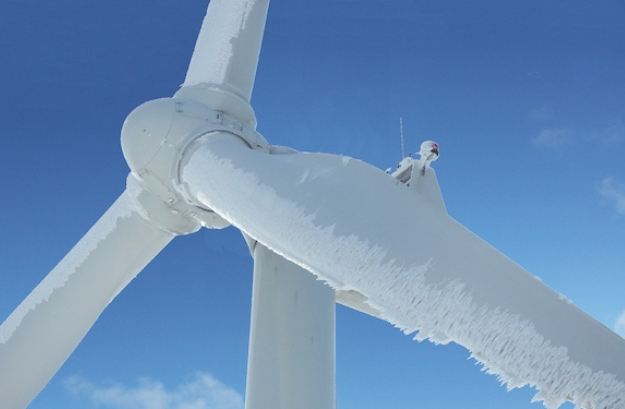
If having no power at all was the object of our ‘inevitable transition’ to an all wind and solar ‘powered’ future, then we’re well on our way.
The bitter northern hemisphere winter just gone, has shown wind and solar for what they are: pointless and expensive vanity projects, that only a lunatic would promote and the delusional would accept.
The frigid weather that struck the USA on 16-17 February left its Texan heartland powerless, as solar and wind power output plummeted. Clearly rattled by the event, the wind and solar cult have tried to pin the blame on everything, except the obvious.
The same goes for events across Germany during January, when dead-calm, freezing weather left Germans desperate for coal-fired power – forcing them to have a good, hard think about their obsession with ‘green’ energy.
STT’s reports on Germany’s renewable energy calamity, sent our site into meltdown for…
View original post 1,255 more words


,_by_Gerard_Soest.jpg)
Recent Comments