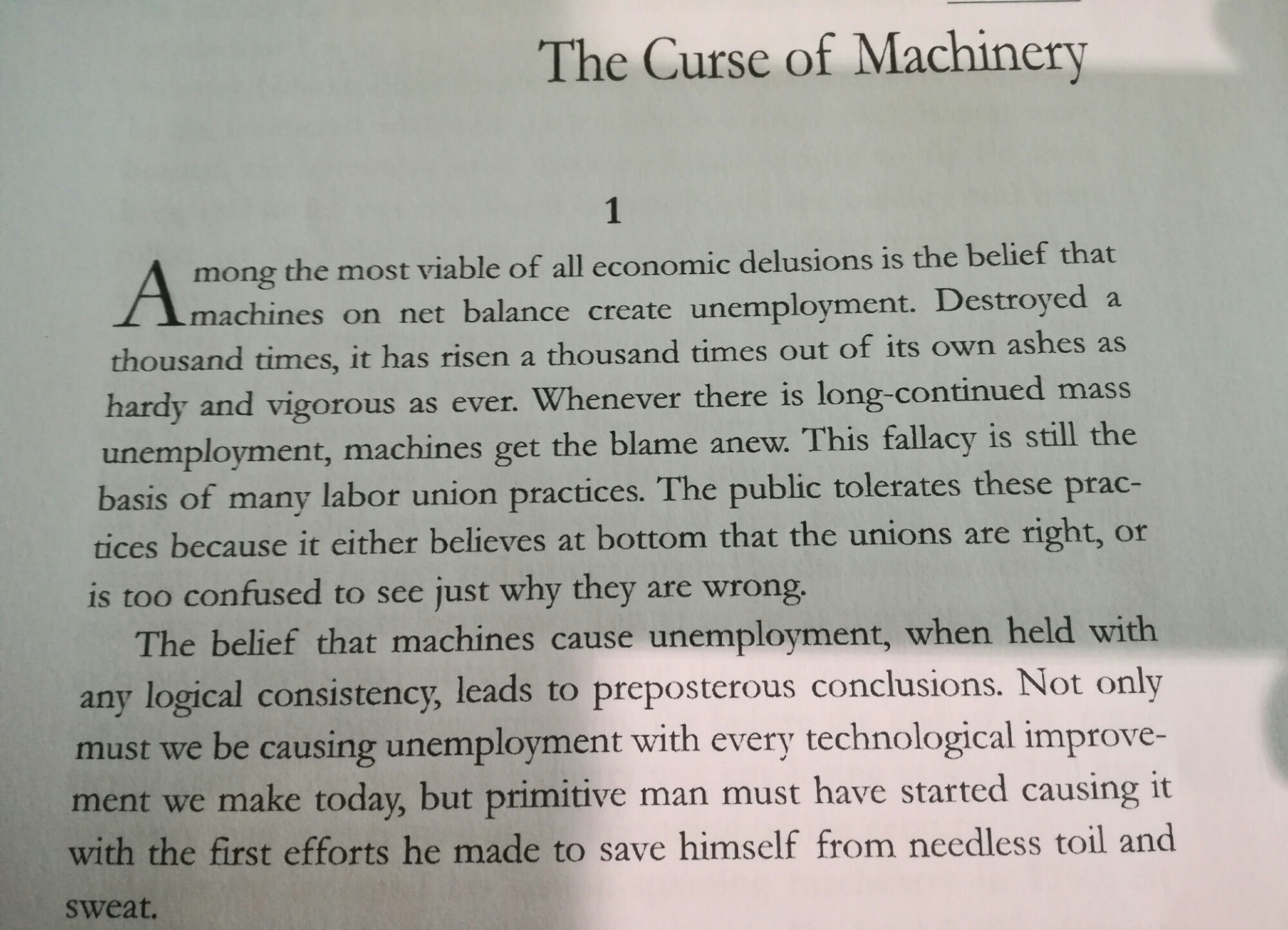
Daron Acemoglu: Technology and Unemployment
24 Feb 2017 Leave a comment
in applied price theory, economic history, labour economics, labour supply Tags: creative destruction, technological unemployment
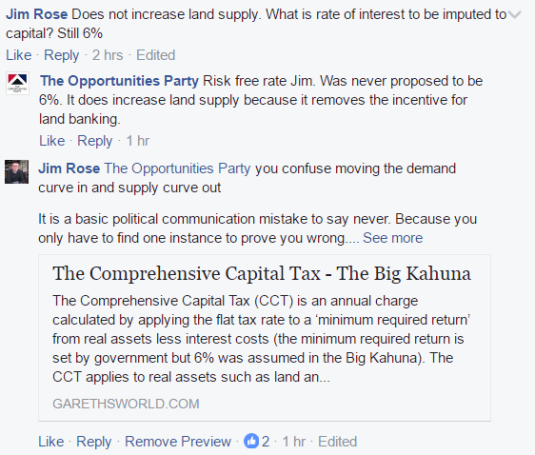
Honest broker The Opportunities Party forgets its own history
23 Feb 2017 Leave a comment
in applied price theory, fiscal policy, politics - New Zealand, Public Choice, public economics
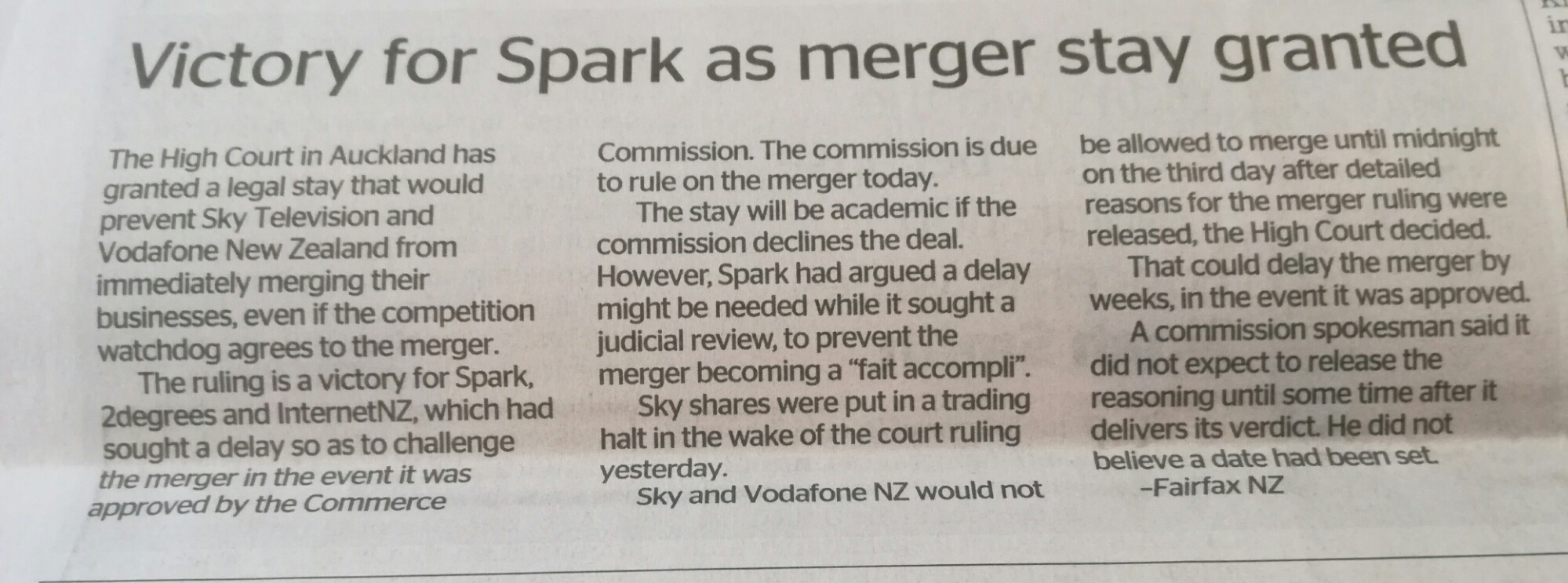
Competitor welcomes @NZComCom blocking efficiency enhancing merger that threaten their profits
23 Feb 2017 Leave a comment
in applied price theory, industrial organisation, politics - New Zealand

Source: Sky TV shares hammered, down 17 per cent – Business – NZ Herald News.
If the merger was anti-competitive, that means prices to consumers were supposed to go up., the competitors to the newly merged firm can follow these prices up and make more profits either through more effective collusion or by acting as the competitive fringe to a dominant firm.
Infallible proof Vodafone SkyTV merger is pro-competitive
23 Feb 2017 Leave a comment
in applied price theory, economics of regulation, entrepreneurship, industrial organisation, politics - New Zealand Tags: antitrust economics, merger law enforcement
Why would rivals oppose reduced competition, which means they can put their prices up too? That is what reduced competition means.
Robert E. Lucas, JR on the industrial revolution
22 Feb 2017 Leave a comment
in applied price theory, development economics, economic growth, economic history, macroeconomics, Robert E. Lucas Tags: industrial revolution, The Great Enrichment

Dead Wrong™ with Johan Norberg – Nordic Gender Equality
20 Feb 2017 Leave a comment
in applied price theory, discrimination, entrepreneurship, gender, industrial organisation, labour economics, labour supply, managerial economics, occupational choice, organisational economics, personnel economics Tags: gender wage gap
Dead Wrong™ with Johan Norberg – Green Tariffs?
19 Feb 2017 Leave a comment
in applied price theory, applied welfare economics, development economics, economic history, environmental economics, global warming, international economics Tags: climate alarmism, green tariffs
THE PARIS CLIMATE AGREEMENT WON’T CHANGE THE CLIMATE
17 Feb 2017 Leave a comment
in applied price theory, environmental economics, global warming, Public Choice Tags: climate alarmism, climate treaties, free riding, international public goods
Occupational segregation a weak reed to hang #genderwagegap @FairnessNZ
17 Feb 2017 Leave a comment
in applied price theory, discrimination, economics, gender, health and safety, human capital, labour economics, labour supply, occupational choice, poverty and inequality Tags: gender wage gap, occupational segregation
NZ has a gender wage gap of 6% according to the OECD and 12% according to the Ministry of Women’s Affairs, with 30% of that explained by occupational segregation. That is 2 to 4 percentage points.

You have to explain occupational segregation. Men are represented more in occupations that are riskier. They are paid more for that. There are systematic differences in the occupational choices of married parents, single parents and single mothers regarding the risks of injury. Again, that feeds into wages.
Occupational segregation explains 2 to 4 percentage points of wages. Given that risk premiums – danger money – and trading lower wages for greater flexibility in a job can easily reduce wages or increase them by 2-4%, occupational segregation is simply a proxy for measurement error.
Still more of wage premiums has to be poured into this 2-4% of wages such as occupational segregation in unsocial work hours. Many more women than men work 9 to 5 during the week. Men would then have a wage premium for working nights and weekends. A hell a lot has to be explained away by just 2 to 4% wages.
What does undervalued work mean? Does it mean it is very profitable to employ women in certain occupations such as caring. That implies that high profits will lead new firms to enter these industries bidding up wages and equalising them with other competing jobs.


Recent Comments