The war on alcohol and the war on drugs were symbiotic campaigns
14 Sep 2016 Leave a comment
in applied price theory, applied welfare economics, economics, economics of regulation, law and economics, politics - USA Tags: economics of prohibition, war on drugs
Land affordability, not housing affordability is the problem to be solved
11 Sep 2016 1 Comment
in applied price theory, economics of regulation, politics - New Zealand, urban economics
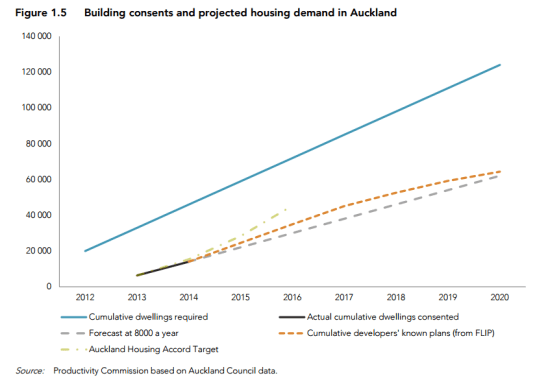
The Greens and Labour both want to build 100,000 affordable houses over 10 years. Neither explain where the land will come from. Nor do the Greens explain how to make houses more affordability without making land cheaper.
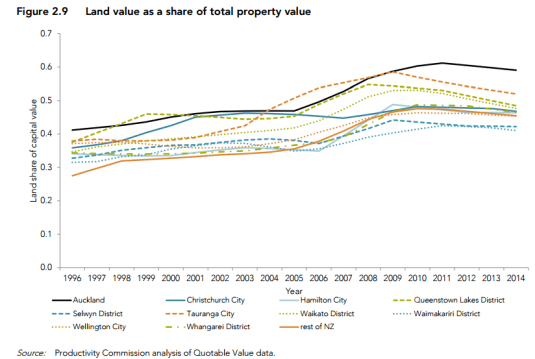
Labour is the best of the two parties because they propose to abolish the Auckland urban limit and the constraint on land supply which that represents. 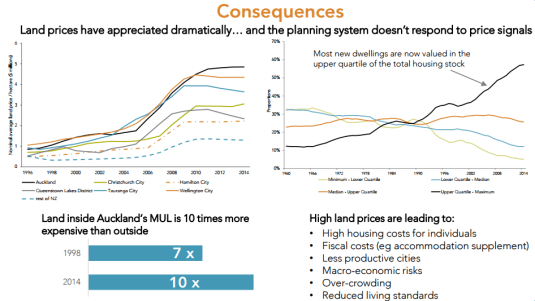
The Greens propose to get to where they want to go with taxes and bans on foreign buyers. Those proposals of the Greens do not increase the amount of land available and therefore the number of houses that will be built.
#Seinfeld Economics: The Chinese Restaurant (Bribing Maitre d’)
09 Sep 2016 Leave a comment
in applied price theory, comparative institutional analysis, law and economics Tags: rationing, Seinfeld
#Seinfeld economics: The Muffin Tops (intellectual property rights)
08 Sep 2016 Leave a comment
in applied price theory, law and economics, television Tags: patents and copyrights, Seinfeld, trade secrets
Does it Feel Good or Does it Do Good?
08 Sep 2016 Leave a comment
in applied price theory, applied welfare economics, comparative institutional analysis, constitutional political economy, economics, labour economics, minimum wage, Public Choice Tags: expressive voting, rational irrationality
Another Day in Paradise – Phil Collins on #homelessness
07 Sep 2016 Leave a comment
in applied price theory, applied welfare economics, economics, Music Tags: homelessness, Phil Collins
Taxman – The Beatles
07 Sep 2016 Leave a comment
in applied price theory, public economics Tags: superstar wages, taxation and labour supply, The Beatles
Seinfeld Economics: The Shower Head (black markets)
07 Sep 2016 Leave a comment
in applied price theory, applied welfare economics, comparative institutional analysis, economics, economics of media and culture, environmental economics, environmentalism, television Tags: black markets, nanny state, offsetting behaviour, Seinfeld, The fatal conceit, water economics
20 Years Ago, Welfare Reform Was Signed Into Law
07 Sep 2016 Leave a comment
in applied price theory, applied welfare economics, comparative institutional analysis, economic history, labour economics, labour supply, politics - USA Tags: 1996 US welfare reforms
Fast Car – Tracy Chapman: the trap of intergenerational poverty
06 Sep 2016 Leave a comment
in applied price theory, applied welfare economics, economics of media and culture, labour economics, poverty and inequality Tags: child poverty, family poverty, intergenerational poverty, Tracey Chapman
#Seinfeld: The Apartment (#RentControl) @Maori_Party @FoxMarama
06 Sep 2016 Leave a comment
in applied price theory, applied welfare economics, economics of regulation, television Tags: rent control, Seinfeld
What the Rolling Stones, Downton Abbey, and LeBron James Can Teach You about Economics
03 Sep 2016 Leave a comment
in applied price theory, economics, economics of media and culture
Free To Choose Media – The Real Adam Smith
31 Aug 2016 Leave a comment
in Adam Smith, applied price theory

How will @nzlabour @NZGreens ration their 100,000 affordable homes?
27 Aug 2016 Leave a comment
in applied price theory, politics - New Zealand, urban economics Tags: affordable housing, housing affordability, land supply, New Zealand Greens, New Zealand Labour Party, price controls
The Labour Party (and Greens) both plan to build 100,000 affordable homes and sell them within a specific price range. In Auckland, where houses cost in excess of $800,000 on average, they hope to enter the market at the $550,000 point with still quite reasonable housing.
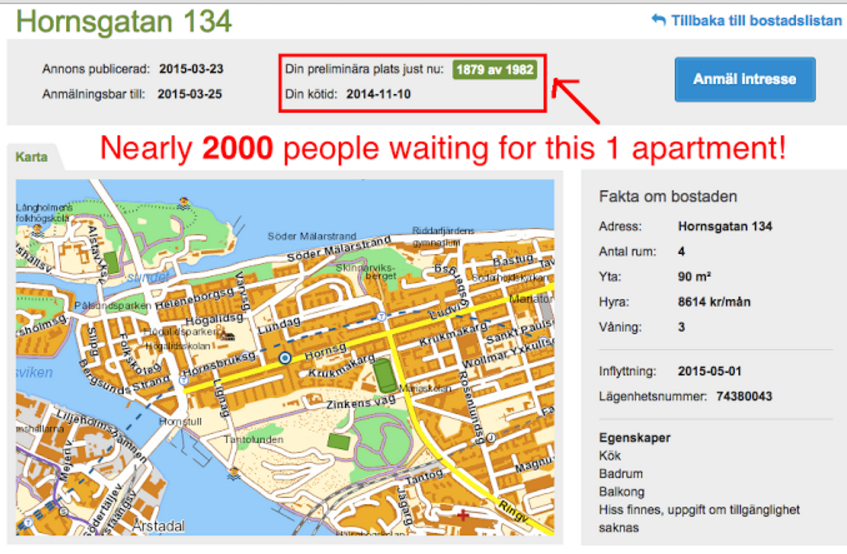
What I ask you is how will Labour and the Greens make sure the affordable houses both are proposing are not snapped up by well-to-do buyers rather than families currently locked out of the market? What will the rationing mechanism be?
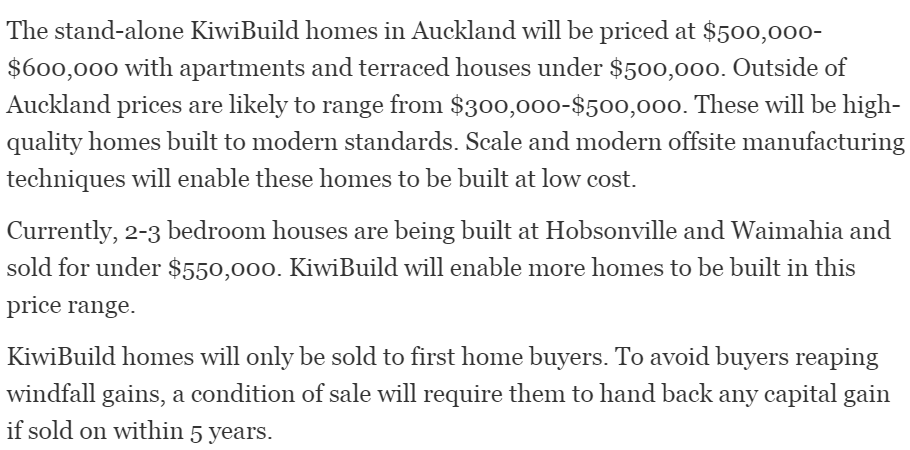
Source: KiwiBuild – New Zealand Labour Party.
How will Labour and the Greens ration these desirable houses given that they are priced well below the competition? If two buyers both offer $550,000 for the house, which bid will be accepted?
If the next best available house in Auckland is worth more than that because it is not sold by the proposed Housing Affordability Authority, the first bid for these houses will be $550,000 which is the maximum the government under a Labour Party is willing to accept? What happens then?
It is basic economics that if you price at less than the market clearing rate which in Auckland is somewhere near $800,000, people will queue to buy what you have unless you raise the price. The exercise of building 100,000 affordable houses makes no sense unless the purpose is to undercut what the market currently supplies.
As the houses are to be sold by a government agency, there can be no black market nor dilution of quality to even up supply with demand. How will a deadlock in price bids be resolved if the maximum bid for an affordable house starts at $550,000?
Labour acknowledges the possibility of flipping by restricting resale for 5 years. But what stops investors just waiting 5 years as there is any significant price gap between these affordable houses and the private market alternatives.
What stops more affluent buyers living in these houses because they so much cheaper than the competing options in Auckland? If you miss out in bidding on one affordable home, do you go back to the end of the queue for the next that is built or get some priority?


Recent Comments