Milton Friedman on Regulations and Consumers
03 Nov 2020 1 Comment
in applied price theory, applied welfare economics, comparative institutional analysis, economic history, economics of bureaucracy, economics of information, economics of regulation, entrepreneurship, history of economic thought, industrial organisation, law and economics, Milton Friedman, Public Choice, public economics, survivor principle Tags: offsetting behaviour, unintended consequences
Sunetra Gupta: Protect the vulnerable, don’t lock down again | SpectatorTV
03 Nov 2020 Leave a comment
in applied welfare economics, economic history, health economics Tags: economics of pandemics
Deirdre McCloskey and Alberto Mingardi: The Myth of the Entrepreneurial State
03 Nov 2020 Leave a comment
in applied price theory, applied welfare economics, comparative institutional analysis, economic history, economics of regulation, entrepreneurship, history of economic thought, industrial organisation, Public Choice, public economics, rentseeking, survivor principle Tags: industry policy, picking winners
Macroeconomic dynamics and reallocation in an epidemic
01 Nov 2020 Leave a comment
in applied price theory, applied welfare economics, comparative institutional analysis, economic growth, economics of bureaucracy, economics of information, economics of regulation, health economics, industrial organisation, labour economics, labour supply, macroeconomics, Public Choice Tags: economics of pandemics
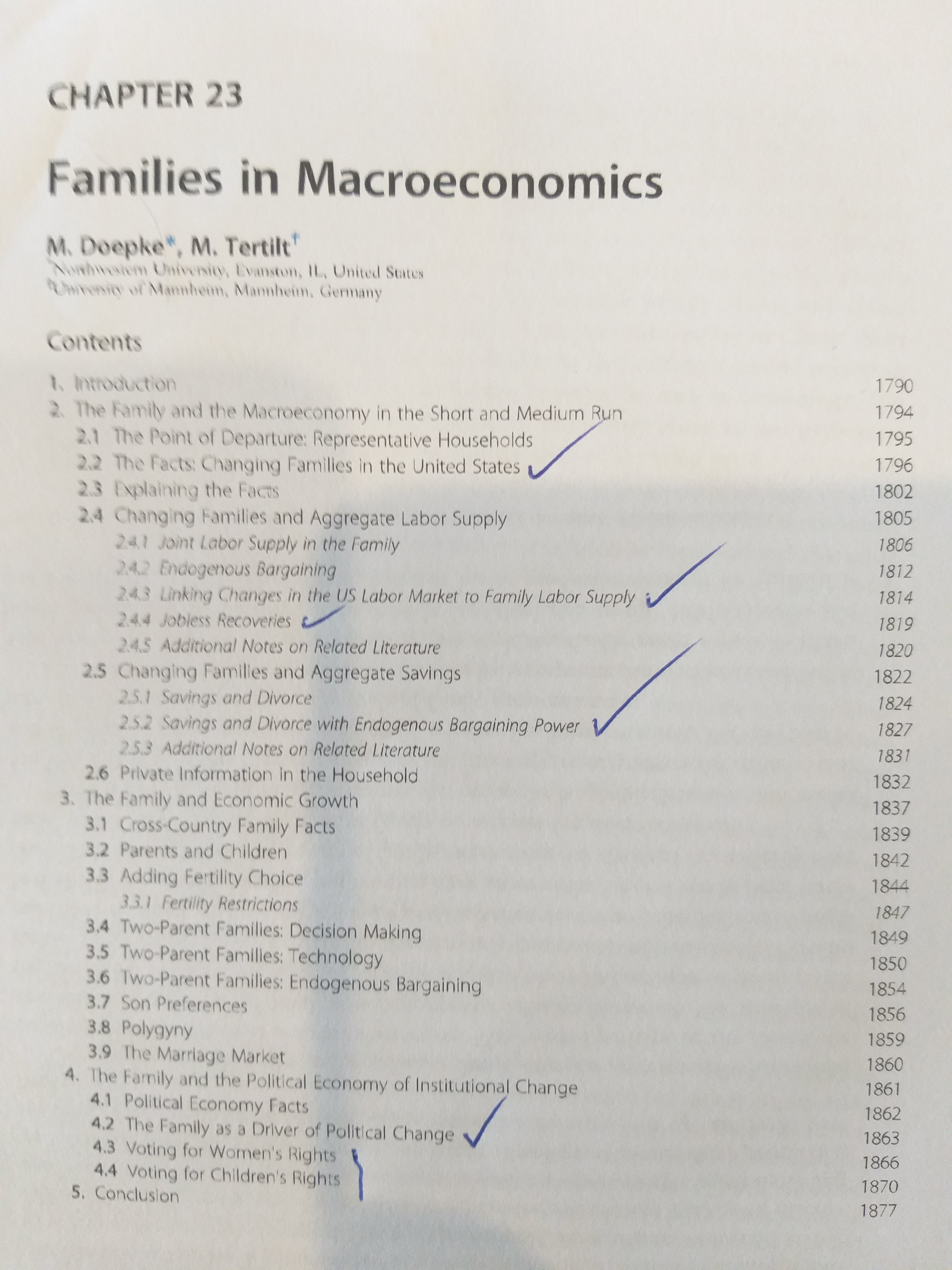
Still more on economists ignoring home production @waring_marilyn @women_nz
01 Nov 2020 Leave a comment
in applied welfare economics, discrimination, economic growth, economic history, economics of education, gender, history of economic thought, human capital, labour economics, labour supply, macroeconomics, occupational choice Tags: female labour supply, marriage and divorce
Economics of the City, Edward Glaeser
30 Oct 2020 Leave a comment
in applied price theory, applied welfare economics, comparative institutional analysis, econometerics, economic history, economics of bureaucracy, economics of education, economics of love and marriage, economics of regulation, human capital, income redistribution, industrial organisation, labour economics, labour supply, law and economics, politics - USA, Public Choice, public economics, rentseeking, transport economics, urban economics
Markets, Firms and Property Rights – Ronald Coase
29 Oct 2020 Leave a comment
in applied price theory, applied welfare economics, comparative institutional analysis, economic history, economics of information, economics of regulation, history of economic thought, industrial organisation, law and economics, property rights, Ronald Coase, Ronald Coase, Ronald Coase, theory of the firm
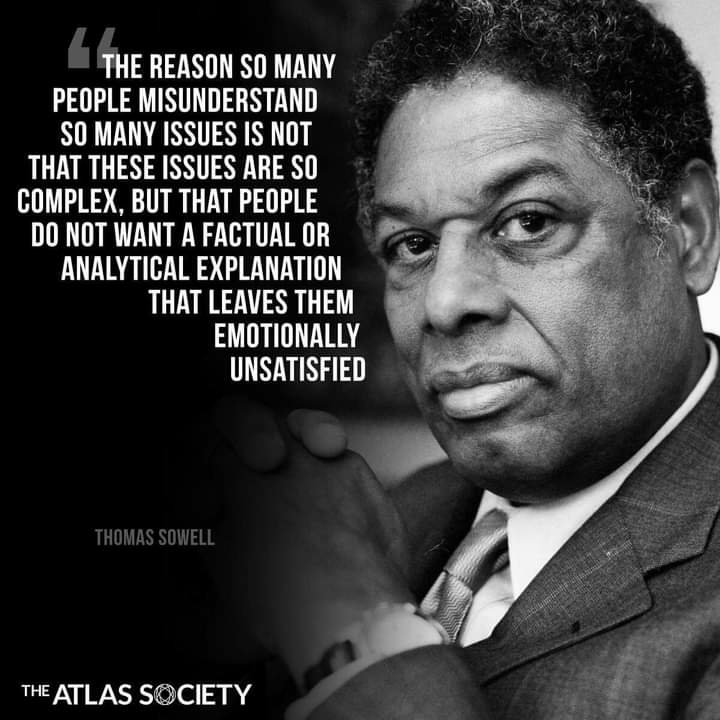
Anti-science @Greenpeace @NZGreens @Greens @AOC @BernieSanders
26 Oct 2020 Leave a comment
in applied price theory, applied welfare economics, comparative institutional analysis, constitutional political economy, development economics, economic history, economics of bureaucracy, economics of crime, economics of education, economics of information, economics of media and culture, economics of regulation, energy economics, environmental economics, environmentalism, financial economics, global warming, history of economic thought, income redistribution, industrial organisation, labour economics, law and economics, macroeconomics, Marxist economics, Public Choice, rentseeking, Thomas Sowell Tags: Anti-Science left, conjecture and refutation, offsetting behaviour, philosophy of science, The fatal conceit, unintended consequences, useful idiots
Rare Economic Disasters: What Role Does Government Play? | Robert Barro
24 Oct 2020 Leave a comment
in applied price theory, applied welfare economics, budget deficits, business cycles, comparative institutional analysis, development economics, economic growth, economic history, economics of bureaucracy, economics of natural disasters, economics of regulation, energy economics, environmental economics, fiscal policy, global financial crisis (GFC), great depression, great recession, history of economic thought, industrial organisation, labour economics, labour supply, law and economics, macroeconomics, monetary economics, poverty and inequality, Public Choice, unemployment
Robert E. Lucas Jr. What was the industrial revolution
23 Oct 2020 Leave a comment
in applied welfare economics, comparative institutional analysis, constitutional political economy, development economics, economic growth, economic history, economics of bureaucracy, economics of education, history of economic thought, human capital, income redistribution, industrial organisation, labour economics, labour supply, law and economics, macroeconomics, occupational choice, occupational regulation, poverty and inequality, property rights, Public Choice, public economics, rentseeking, Robert E. Lucas Tags: industrial revolution
Economic impacts of climate change
22 Oct 2020 Leave a comment
in applied welfare economics, energy economics, environmental economics, global warming Tags: climate alarmists
David Friedman – Market Failure: An Argument both for and Against Government
20 Oct 2020 Leave a comment
in applied price theory, applied welfare economics, comparative institutional analysis, constitutional political economy, David Friedman, economic history, economics of crime, economics of regulation, history of economic thought, industrial organisation, labour economics, law and economics, property rights, Public Choice, public economics Tags: government failure, market failure
Robert Lucas and Paco Buera | Idea Flows and Economic Growth
20 Oct 2020 Leave a comment
in applied price theory, applied welfare economics, comparative institutional analysis, development economics, econometerics, economic history, economics of education, history of economic thought, human capital, industrial organisation, international economics, labour economics, labour supply, law and economics, managerial economics, occupational choice, organisational economics, personnel economics, poverty and inequality, Robert E. Lucas Tags: endogenous growth theory
 Utopia, you are standing in it!
Recent Comments