Greg Mankiw on one of the few things economists agree on: free trade. That's the problem. nyti.ms/1GrLisQ http://t.co/WrLuP3oBSW—
The Upshot (@UpshotNYT) April 25, 2015
Murphy’s Law of Economic Policy
26 Apr 2015 Leave a comment
in applied price theory, applied welfare economics, comparative institutional analysis, constitutional political economy, economic history, economics of bureaucracy, Public Choice, rentseeking Tags: Alan Blinder, evidence-based policy, expressive politics, free trade, protectionism, rational ignorance, rational irrationality, rent seeking
Maybe the European Union membership isn’t that bad after all, especially if you’re a former Eastern Bloc country
24 Apr 2015 Leave a comment
in applied price theory, applied welfare economics, comparative institutional analysis, constitutional political economy, development economics, growth disasters, growth miracles Tags: European Union, transitional economies
Tony Atkinson’s ‘Inequality – What Can Be Done?’
24 Apr 2015 Leave a comment
in applied welfare economics, labour economics, minimum wage, Public Choice, Rawls and Nozick, welfare reform Tags: guaranteed minimum income, Leftover Left
I find proposal number 3 to target reducing unemployment rather perplexing because Atkinson in proposal number 5 wants to increase the minimum wage to the living wage, which will increase unemployment. He proposes a guaranteed child income, but he doesn’t appear to make proposals for a guaranteed family minimum income. A guaranteed family minimum income or an increase in the earned income tax credit, to use the American terminology, would increase the incomes of the low paid without threatening their job through a minimum wage increase.
Out Today: Tony Atkinson's new book 'Inequality – What Can Be Done?'
Here are his 14 proposals to reduce inequality: http://t.co/RPXmEBBFCR—
Max Roser (@MaxCRoser) April 23, 2015
Technology diffusion in poor countries is quickening
24 Apr 2015 Leave a comment
in applied welfare economics, development economics, economic history, growth disasters, growth miracles, technological progress Tags: global poverty, international technology diffusion, technology diffusion, The Great Fact
A 10% increase in the use of the internet in a country can lead to a 1.9% increase in trade: wrld.bg/LYPXu http://t.co/TdjRTz69fW—
World Bank (@WorldBank) April 23, 2015
Helicopter parents alert: There’s never been a safer time to be a kid
20 Apr 2015 Leave a comment
in applied welfare economics, economic history, economics of crime, economics of media and culture, health and safety, health economics Tags: accident rates, capitalism and freedom, child rearing, economics of the family, health and safety, Helicopter parents, moral panic, The Great Escape


Essay questions for the Royal Economic Society Economics Essay Competition for 2015
19 Apr 2015 Leave a comment
in applied welfare economics, behavioural economics, economics of education, history of economic thought Tags: academic bias, British politics, UK politics
Here are the choices of essay questions for the RES Economics Essay Competition for 2015 beta.tutor2u.net/economics/blog… http://t.co/iurHfRGOd9—
tutor2u Economics (@economicsuk) April 19, 2015
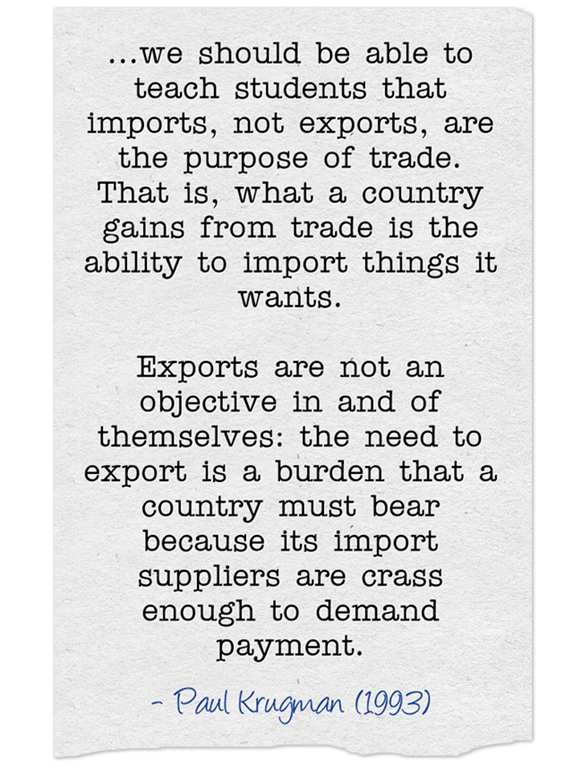
Have real wages stagnated?
16 Apr 2015 Leave a comment
in applied welfare economics, econometerics, labour economics, poverty and inequality Tags: middle class stagnation, wage stagnation
Hollywood’s highest paid star Leonardo DiCaprio earns three times average FTSE 100 boss | City A.M.
15 Apr 2015 Leave a comment
in applied welfare economics, entrepreneurship, Marxist economics, politics - USA, Public Choice, Rawls and Nozick, rentseeking Tags: Occupy Wall Street, top 1%
This top 1% gets a pass from the Occupy activists

The merits of different options to combat global warming
14 Apr 2015 Leave a comment
in applied price theory, applied welfare economics, economics of regulation, energy economics, entrepreneurship, environmental economics, global warming Tags: climate alarmism, cost benefit analysis, evidence-based policy, global warming
America’s poor are richer than Europe’s nonpoor
12 Apr 2015 Leave a comment


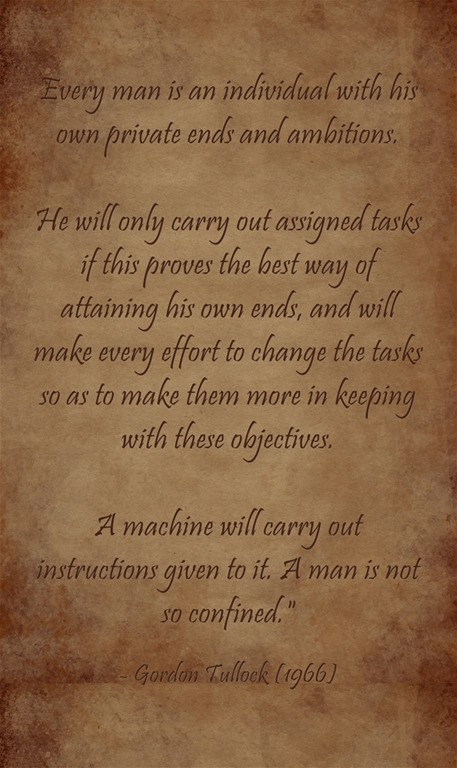

 Utopia, you are standing in it!
Recent Comments