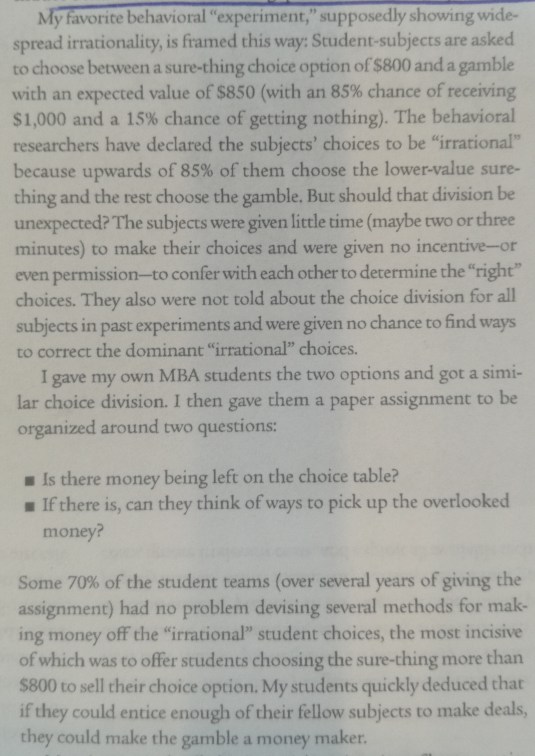
Richard McKenzie on Richard Thaler on the shallowness of behavioral economics
14 Jul 2018 Leave a comment
in applied price theory, applied welfare economics, Austrian economics, behavioural economics, comparative institutional analysis, entrepreneurship, industrial organisation
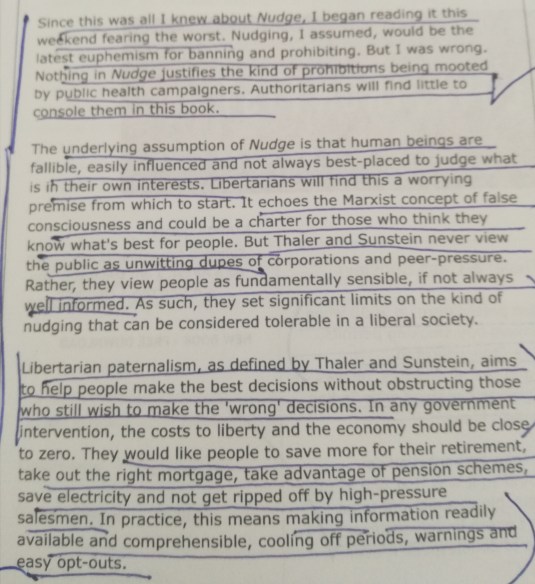
.@cjsnowdon reminds of the libertarian part of libertarian parternalism
02 Jul 2018 Leave a comment
in behavioural economics, economics of regulation Tags: Nudging
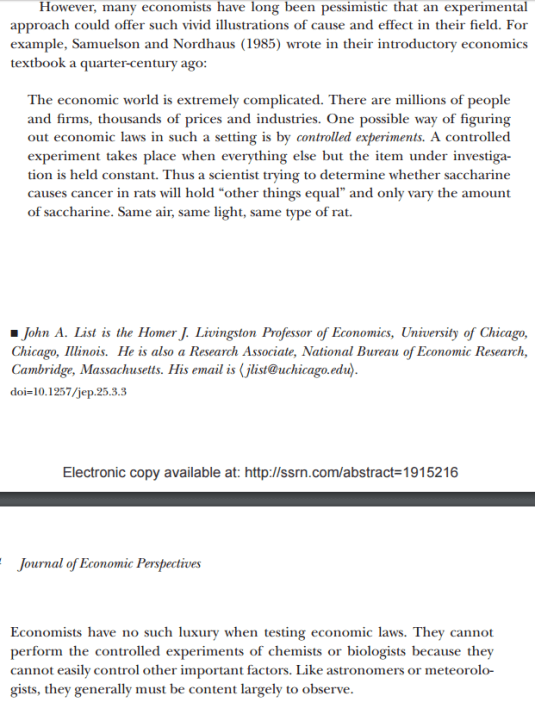
What Makes Things Cool?
07 Jun 2018 Leave a comment
in behavioural economics, economics of information, economics of media and culture Tags: cognitive psychology, creative destruction, economics of advertising
Oops – Loss aversion, the first law of behavioral economics, enters psychology’s reproducibility crisis
17 Apr 2018 Leave a comment

Speaking of the other people are stupid fallacy – the straw man attacked by behavioural economics
10 Oct 2017 Leave a comment
in applied price theory, behavioural economics
Are markets efficient? Fama debates Thaler
10 Oct 2017 1 Comment
in behavioural economics, entrepreneurship, financial economics Tags: efficient markets hypothesis
Are markets efficient? Eugene Fama (yes!) and Richard Thaler (no!) debate
30 Nov 2016 Leave a comment
in applied price theory, behavioural economics, entrepreneurship, financial economics Tags: active investing, efficient markets hypothesis, Eugene Fama, passive investing
Culture of Gowth: Origins of the Modern Economy
08 Aug 2016 Leave a comment
in behavioural economics, comparative institutional analysis, constitutional political economy, development economics, economic history, growth disasters, growth miracles, industrial organisation, law and economics, Public Choice Tags: industrial revolution, The Great Fact
P.T. Bauer on @BernieSanders extending #fightfor15 to entire Third World!
19 Apr 2016 Leave a comment
in applied welfare economics, behavioural economics, constitutional political economy, development economics, economic history, growth disasters, growth miracles, P.T. Bauer, politics - USA, Public Choice Tags: 2016 presidential election, antiforeign buyers, George Orwell, living wage, rational irrationality, The fatal conceit, The pretense to knowledge
India tried that in the 1950s as part of its five-year plans. It did not work that well. Bauer said that in development economics there is a “need to restate the obvious.”
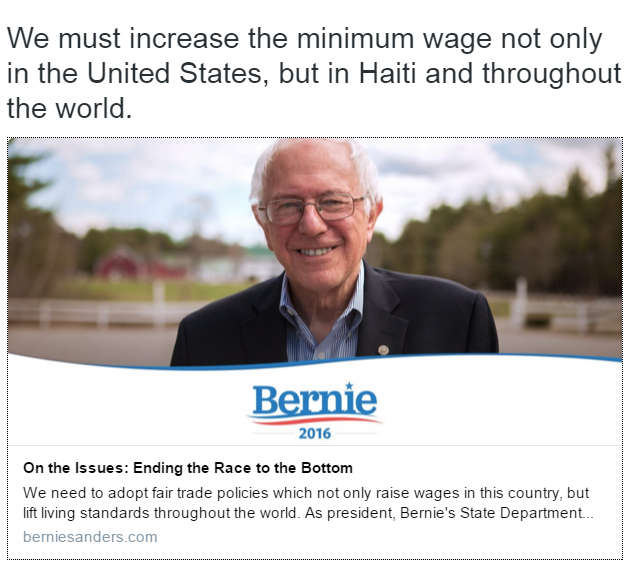
Source: Ending the Race to the Bottom – Bernie Sanders.
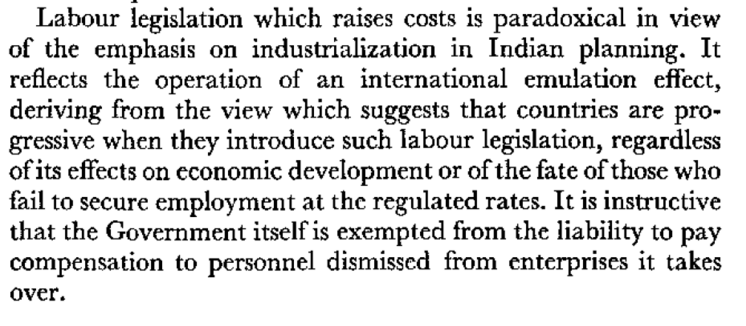
Source: Indian Economic Policy and Development – P. T. Bauer (1959) – Google Books
<p><img src="http://quotes.lifehack.org/media/quotes/quote-George-Orwell-we-have-now-sunk-to-a-depth-39424.png" /></p> <p>
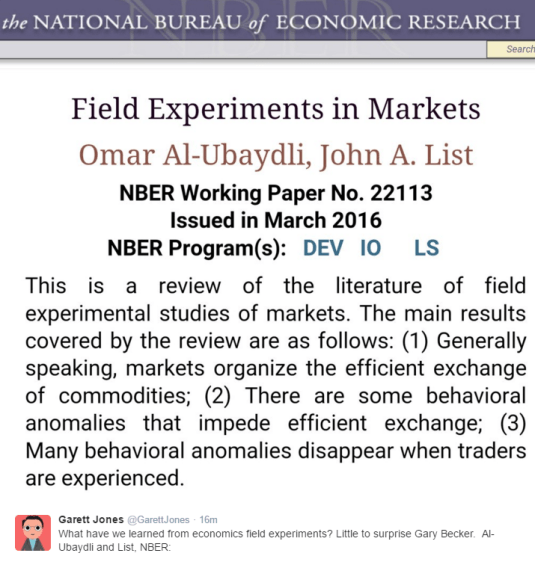
Ten behavioural biases and effects in regulation
12 Feb 2016 Leave a comment
in applied price theory, behavioural economics, comparative institutional analysis

Source: Stephen Littlechild via Who’s Phooling Whom? – Clive Crook.
The obvious reason for the popularity of behavioural economics
10 Dec 2015 Leave a comment
in applied price theory, behavioural economics, comparative institutional analysis, economics of bureaucracy, Public Choice, rentseeking Tags: expressive voting, rational ignorance, rational irrationality, special interests

 Utopia, you are standing in it!
Recent Comments