
“Trapped” in Rental Contracts | Organizations and Markets
17 Aug 2014 Leave a comment
in applied price theory, Armen Alchian, comparative institutional analysis, entrepreneurship, industrial organisation, Ronald Coase, survivor principle, theory of the firm Tags: long-term contracts, mutual dependency, relationship dependent assets, transaction costs, vertical integration
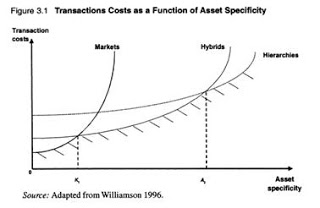
- Mercedes and BMW drivers trapped in lease contracts, rather than buying their cars with cash or credit
- Individuals trapped in wage and salary contracts, rather than raising the capital, arranging the inputs, and bearing the uncertainties to be sole proprietors
- Companies trapped in outsourcing agreements, rather than owning all upstream and downstream production processes directly, as vertically integrated firms
- Vacationers trapped in resort hotels, rather than owning their own vacation condos or timeshares
- Readers trapped by downloading and reading books on their Kindles, essentially “renting” them from Amazon, rather than buying physical books
- Movie fans trapped in DVD rental agreements with Netflix, rather than owning massive DVD libraries
via “Trapped” in Rental Contracts | Organizations and Markets.

Marvellously simple explanation of the beauty and power of the market process
15 Aug 2014 Leave a comment

The blame everybody else sociology of the vision of the anointed – Thomas Sowell
14 Aug 2014 Leave a comment

Moral and other philosophical values had to be given greater consideration in economic analysis
14 Aug 2014 Leave a comment

Ludwig von Mises on how people will sacrifice intellect before they will give up their political dreams
14 Aug 2014 Leave a comment

Zealots cannot countenance trade-offs and diminishing returns – Thomas Sowell
13 Aug 2014 Leave a comment


Recent Comments