Presented Jan 30, 2025 Kia Ora. Morena. Tena Koutou, Tena Koutou, Tena Koutou Katoa. My name is Ananish Chaudhuri. I am Professor of Economics at the University of Auckland. My views are my own and not those of my employer. Thank you very much for giving me an opportunity to speak this morning.…
ANANISH CHAUDHURI: Oral submission on the Treaty Principles Bill
ANANISH CHAUDHURI: Oral submission on the Treaty Principles Bill
30 Jan 2025 Leave a comment
in comparative institutional analysis, development economics, discrimination, economic history, growth disasters, law and economics, politics - New Zealand, property rights Tags: affirmative action, Age of Enlightenment, constitutional law, free speech, political correctness, racial discrimination, regressive left
A Wartime Natural Experiment About Copyright
26 Jan 2025 1 Comment
in applied price theory, comparative institutional analysis, defence economics, econometerics, economic history, economics of education, economics of information, economics of media and culture, economics of regulation, industrial organisation, law and economics, politics - USA, property rights, war and peace Tags: patents and copyrights, World War II
One of the hardest questions in copyright policy is: “What would have happened otherwise?” When Disney lobbies for longer copyright terms or academic publishers defend high subscription fees, we struggle to evaluate their claims because we can’t observe the counterfactual. What would happen to creativity and innovation if we shortened copyright terms or lowered prices? […]
A Wartime Natural Experiment About Copyright
How to Visit India for Normies
25 Jan 2025 Leave a comment
in applied price theory, comparative institutional analysis, development economics, economic history, growth disasters, growth miracles, international economics Tags: India

In the comments to my post, India has Too Few Tourists, many people worried about the food, the touts and the poverty. Many of these comments are mistaken or apply only if you are traveling to India on the cheap as an adolescent backpacker (nothing wrong with that but I suspect the MR audience is […]
How to Visit India for Normies
Quotation of the Day…
19 Jan 2025 1 Comment
in Adam Smith, applied price theory, comparative institutional analysis, development economics, economic history, economics of love and marriage, economics of regulation, entrepreneurship, history of economic thought, industrial organisation, labour economics, labour supply, law and economics, poverty and inequality, property rights, unemployment
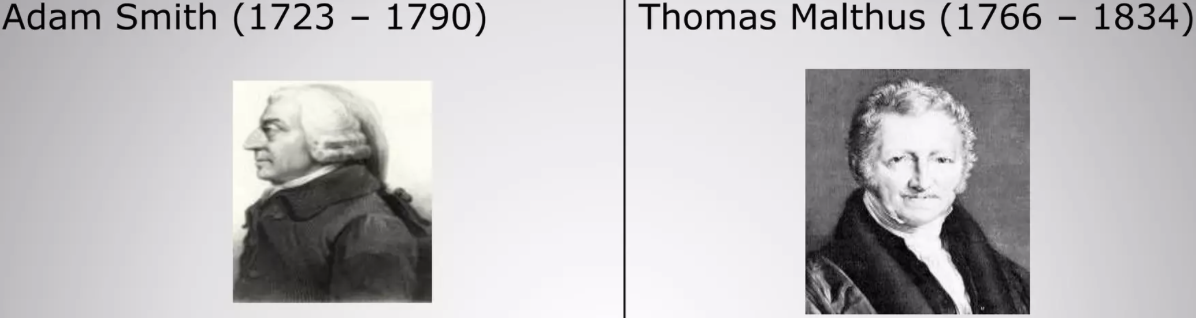
Tweet… is from page 53 of the late, great Harold Demsetz’s excellent 2008 book, From Economic Man to Economic System: Adam Smith and Thomas Malthus differed in their forecasts of mankind’s future. Smith (1776), in his Wealth of Nations, offered an optimistic view, basing this on his understanding of the new economic system that began…
Quotation of the Day…
Further proof the Council just made things worse
17 Jan 2025 Leave a comment
in applied price theory, comparative institutional analysis, economics of bureaucracy, economics of regulation, entrepreneurship, industrial organisation, politics - New Zealand, Public Choice, public economics, rentseeking, survivor principle
Stuff reports: Reading Cinemas is set to return to Wellington after it was revealed on Tuesday night that the cinema chain’s owner, Reading International, intends to undertake a redevelopment of the old building. The company has entered into a Sale and Purchase Agreement with Prime Property Group, with part of the deal including a seismic upgrade […]
Further proof the Council just made things worse
CA gov prevents voluntary wealth-creating transactions
17 Jan 2025 Leave a comment
in applied price theory, comparative institutional analysis, economics of natural disasters, economics of regulation, law and economics, politics - USA, property rights
From REASON: On January 7, Newsom issued a state of emergency as fires spread in Los Angeles County. On Tuesday, Newsom signed Executive Order N-7-25, prohibiting buyers for three months from “making any unsolicited offer to an owner of real property” in fire-affected areas “for an amount less than the fair market value of the…
CA gov prevents voluntary wealth-creating transactions
Margaret Thatcher, Michael Curley, and the 19th Theorem of Government
16 Jan 2025 Leave a comment
in applied price theory, applied welfare economics, Austrian economics, comparative institutional analysis, constitutional political economy, economic growth, economic history, economics of regulation, energy economics, environmental economics, financial economics, fiscal policy, human capital, income redistribution, international economics, labour economics, labour supply, law and economics, liberalism, libertarianism, macroeconomics, Marxist economics, politics - USA, poverty and inequality, property rights, Public Choice, public economics, regulation, rentseeking
In this 12-second video, Margaret Thatcher is talking about the Labour Party in the United Kingdom, but her warning has universal application. And when I say her warning has universal application, I’m not joking. Politicians generally can’t resist the temptation to buy votes. And I fear that this can and will happen at all levels […]
Margaret Thatcher, Michael Curley, and the 19th Theorem of Government
One early report on congestion pricing in NYC
16 Jan 2025 1 Comment
in applied price theory, applied welfare economics, comparative institutional analysis, market efficiency, politics - USA, public economics, transport economics, urban economics Tags: road pricing
That is my latest Bloomberg column, here is one bit: The core version of the plan stipulates a $9 toll for drivers entering Manhattan below and including 60th Street. Implementation is by E-Z Pass, and the tolls can vary in complex ways. But if you don’t cross the line, you don’t pay. So residents below 60th Street are exempt, […]
One early report on congestion pricing in NYC
Winston Peters: “Principles of the Treaty of Waitangi – Deletion” Bill…
15 Jan 2025 Leave a comment
in comparative institutional analysis, constitutional political economy, discrimination, economic history, law and economics, politics - New Zealand, property rights, Public Choice, rentseeking Tags: constitutional law
The New Zealand Centre for Political Research dipped into the Parliamentary archives and retrieved Winston Peters’ speech on the first reading of New Zealand First’s “Principles of the Treaty of Waitangi – Deletion” Bill on 8 June 2005 Rt Hon WINSTON PETERS (Leader—NZ First) : I move, That the Principles of the Treaty […]
Winston Peters: “Principles of the Treaty of Waitangi – Deletion” Bill…
Economists Should Never Abandon Their Principles
14 Jan 2025 Leave a comment
in applied price theory, Austrian economics, comparative institutional analysis, economics of information, economics of regulation
TweetIn the Spring of 2023 I had the honor of delivering, at the Richmond Fed, the annual Sandridge Lecture to the Virginia Association of Economists. The text of that lecture – the title of which is “The Role of the Economic Scholar in Highly Politicized Society” – is available here. And pasted below are two…
Economists Should Never Abandon Their Principles
Left-Wing Economists Were Wildly Wrong about Javier Milei and his Libertarian Agenda for Argentina
10 Jan 2025 Leave a comment
in applied price theory, Austrian economics, budget deficits, business cycles, comparative institutional analysis, constitutional political economy, development economics, economic growth, economics of regulation, financial economics, fiscal policy, growth disasters, growth miracles, history of economic thought, income redistribution, international economics, labour economics, law and economics, liberalism, libertarianism, macroeconomics, Marxist economics, monetarism, monetary economics, political change, politics - USA, property rights, Public Choice, public economics, rentseeking, unemployment Tags: Argentina
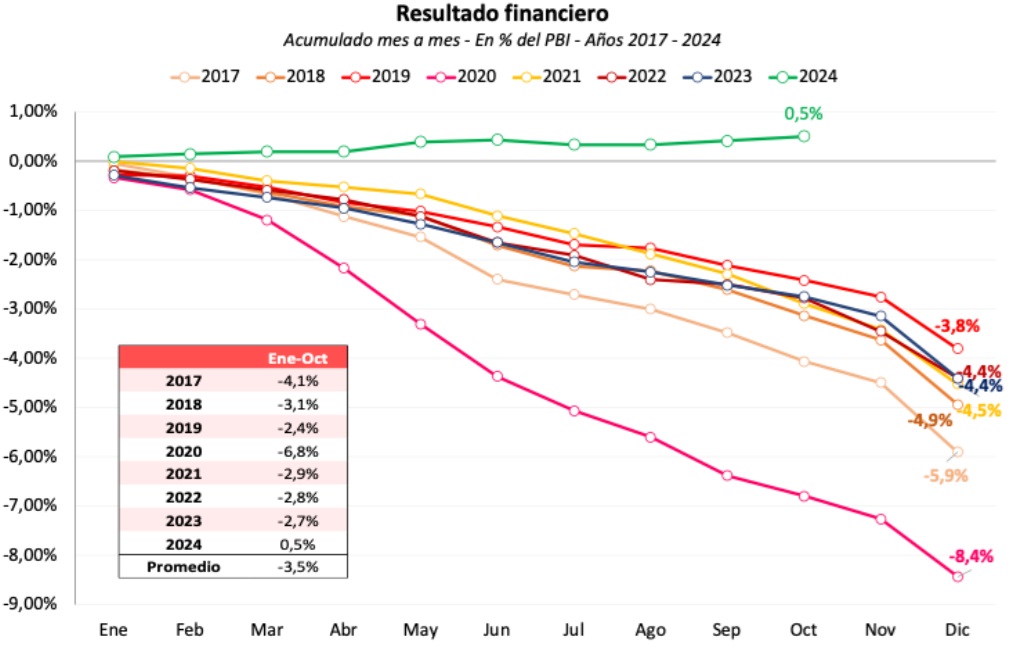
It’s easy to mock economists. Consider the supposedly prestigious left-leaning academics who asserted in 2021 that Biden’s agenda was not inflationary. At the risk of understatement, they wound up with egg on their faces.* Today, we’re going to look at another example of leftist economists making fools of themselves. It involves Argentina, where President Javier […]
Left-Wing Economists Were Wildly Wrong about Javier Milei and his Libertarian Agenda for Argentina
Austria 2024–2025: Will FPÖ form government or will there be an early election?
09 Jan 2025 Leave a comment
in comparative institutional analysis, constitutional political economy, politics, Public Choice Tags: Austria, constitutional law
The President of Austria, Alexander Van der Bellen, has called upon Freedom Party (FPÖ) leader Herbert Kickl to attempt to form a government. This development comes after the incumbent Chancellor (PM) Karl Nehammer of the Austrian People’s Party (ÖVP) resigned upon failing to assemble a coalition. The ÖVP is the mainstream conservative party, whereas the […]
Austria 2024–2025: Will FPÖ form government or will there be an early election?
Justin Trudeau Had an Epiphany and Endorsed My Doctrine on Prorogation
07 Jan 2025 1 Comment
in comparative institutional analysis, constitutional political economy, economic history, law and economics, politics, Public Choice Tags: Canada, constitutional law
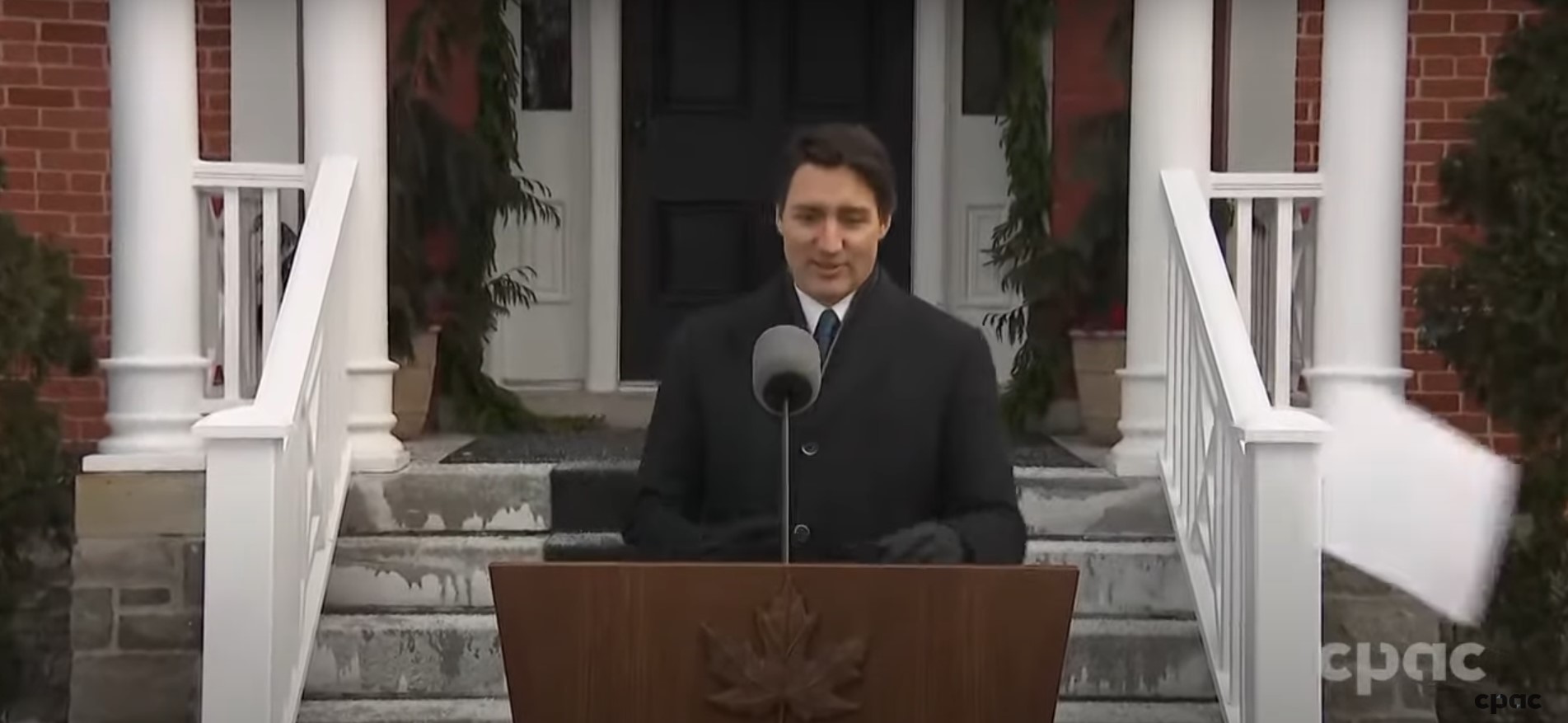
On the Twelfth Day of Christmas, the Prime Minister gave to me his second tactical prorogation and endorsed what I had written in 2011. Introduction At around 10:45 on the morning of 6 January 2025 – the Feast of Epiphany and the Day of the Three Kings – Prime Minister Justin Trudeau revealed that he […]
Justin Trudeau Had an Epiphany and Endorsed My Doctrine on Prorogation
JOHN MENDZELA: Submission on the Treaty Principles Bill
07 Jan 2025 1 Comment
in comparative institutional analysis, constitutional political economy, development economics, discrimination, economic history, income redistribution, law and economics, liberalism, Marxist economics, politics - New Zealand, Public Choice, rentseeking Tags: constitutional law, racial discrimination

4 January, 2025 Justice Committee Parliament of New Zealand Dear Committee Members, I wish to make a submission on the Principles of the Treaty of Waitangi Bill that you will be considering in the near future. As the map below demonstrates, I have independently consulted on governance and management in dozens of diverse nations. Many…
JOHN MENDZELA: Submission on the Treaty Principles Bill
Submission on the Principles of the Treaty of Waitangi Bill
07 Jan 2025 Leave a comment
in comparative institutional analysis, constitutional political economy, economic history, economics of bureaucracy, law and economics, liberalism, Marxist economics, politics - New Zealand, property rights, Public Choice Tags: constitutional law
By Dr Peter Winsley I support the Bill, despite its weaknesses. For expositional clarity, in my submission I use the term “te Tiriti” rather than “the Treaty.” This acknowledges that about 540 rangatira signed te Tiriti versus about 39 who signed the English language document.to a Context is important. Te Tiriti was an international treaty […]
Submission on the Principles of the Treaty of Waitangi Bill
 Utopia, you are standing in it!
Recent Comments