A guest post by Lucy Rogers: Today (as of the time of writing) I saw Associate Professor Michael Mawson of the theology faculty at Auckland University advertise on Facebook an event hosting Professor Miguel De La Torre, a Cuban academic specialising in liberation theology. The event is to be held at the Maclaurin Chapel at […]
Guest Post: Criticising Cuba
23 Aug 2024 Leave a comment
in comparative institutional analysis, constitutional political economy, development economics, economic history, economics of crime, growth disasters, history of economic thought, law and economics, liberalism, Marxist economics, politics - New Zealand, Public Choice Tags: Cuba
The Intellectual Roots of YIMBYism
23 Aug 2024 Leave a comment
in applied price theory, comparative institutional analysis, economic history, economics of regulation, history of economic thought, politics - USA, urban economics Tags: housing affordability, zoning
At the Democratic National Convention former President Obama came out strongly in favor of housing deregulation saying “we need to build more homes and clear away some of the outdated laws and regulations that make it harder to build homes”. Robert Kwasny asks on X, “What are the intellectual roots of present-day YIMBYism?” Looking at […]
The Intellectual Roots of YIMBYism
How Chlöe Swarbrick struggled to accept the PM’s position on sovereignty
21 Aug 2024 Leave a comment
in comparative institutional analysis, constitutional political economy, economic history, law and economics, liberalism, Marxist economics, politics - New Zealand, property rights, Public Choice Tags: constitutional law
Bob Edlin writes – Historian and former Labour Government cabinet minister Michael Bassett, in an article posted here earlier today, said those who spend time on the web examining the Treaty of Waitangi will find claims there are four or even five articles when officially there have never been more than three. Bassett went on […]
How Chlöe Swarbrick struggled to accept the PM’s position on sovereignty
Kamala Harris, Price Controls, and the Contest for the Dumbest Policy Proposal of 2024
17 Aug 2024 Leave a comment
in applied price theory, comparative institutional analysis, economic history, economics of bureaucracy, economics of regulation, energy economics, health economics, history of economic thought, income redistribution, industrial organisation, international economics, liberalism, Marxist economics, politics - USA, Public Choice, rentseeking Tags: 2024 presidential election, price controls, tariffs

As a Senator, Kamala Harris embraced all sorts of terrible ideas, such as the Green New Deal and Medicare for All. But she’s now disavowed those proposals in an attempt to make herself seem more reasonable. Trump, by contrast, is consistent. For better or worse, he’s pushing in 2024 the same agenda that he ran […]
Kamala Harris, Price Controls, and the Contest for the Dumbest Policy Proposal of 2024
Should the government operate petrol stations?
17 Aug 2024 Leave a comment
in applied price theory, comparative institutional analysis, economics of regulation, entrepreneurship, history of economic thought, industrial organisation, law and economics, politics - Australia, politics - New Zealand, privatisation, property rights
The extent to which the government should be involved in the provision of goods and services generates a lot of debate. Most of that debate is unhelpful, since it involves small-government, market-fundamentalist types arguing against anti-market socialist types. It’s all ideological, and there’s a pretty good chance that neither of the sides in that argument…
Should the government operate petrol stations?
The (Non) Mystery of Economic Growth
13 Aug 2024 Leave a comment
in applied price theory, comparative institutional analysis, constitutional political economy, development economics, economic growth, economic history, economics of bureaucracy, growth disasters, growth miracles, income redistribution, law and economics, macroeconomics, property rights, Public Choice, rentseeking Tags: The Great Enrichment

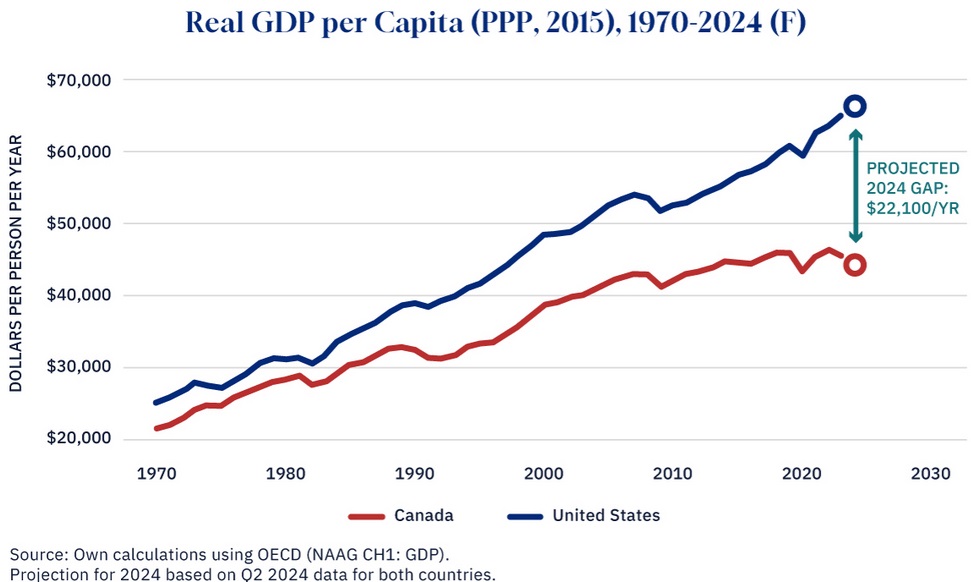
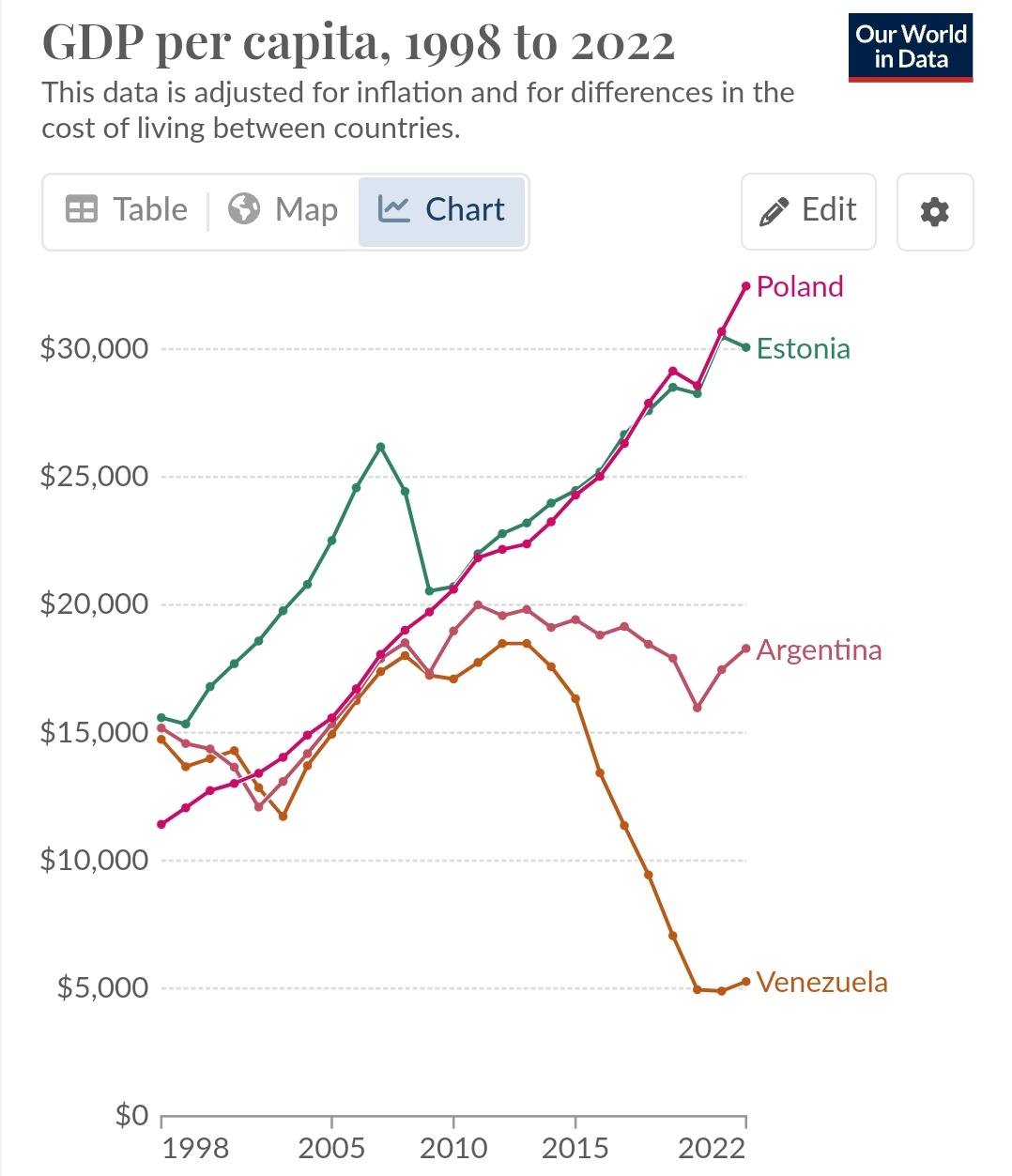
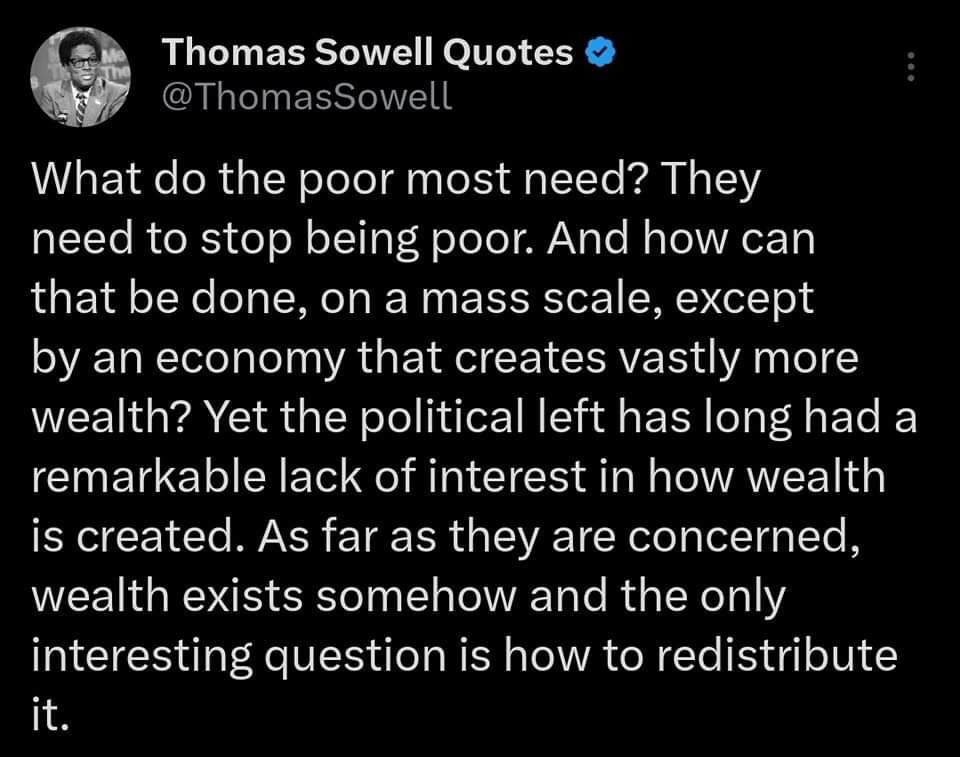
The recipe for economic growth is not complicated. You can put it in very simple terms, as Adam Smith did a few hundred years ago. Or you can develop and utilize data-heavy indexes like the ones published by the Fraser Institute and Heritage Foundation. In either case, the result will be the same. If you […]
The (Non) Mystery of Economic Growth
Don’t Invest in a Light-Rail Boondoggle
12 Aug 2024 Leave a comment
in comparative institutional analysis, politics - USA, Public Choice, transport economics, urban economics
Last week, I observed that “Transit’s failure to recover from the pandemic is due largely to its downtown-centric orientation in most urban areas.” An op-ed in yesterday’s Baltimore Sun makes a similar point about the planned Red Line light-rail project for that city. “The problem with Baltimore transit is not … Continue reading →
Don’t Invest in a Light-Rail Boondoggle
Jurisdiction Stripping or Court Killing? The “No Kings Act” is a Decapitation of the Constitution
08 Aug 2024 Leave a comment
in comparative institutional analysis, constitutional political economy, economics of crime, law and economics, politics - USA, property rights Tags: constitutional law

Senate Majority Leader Chuck Schumer (D., N.Y.) has introduced the “No Kings Act” with great fanfare and the support of most of his Democratic colleagues. Liberal groups have heralded the measure to legislatively reverse the ruling in Trump v. United States. It is obviously popular with the press and pundits. It is also entirely unconstitutional in […]
Jurisdiction Stripping or Court Killing? The “No Kings Act” is a Decapitation of the Constitution
Roots of Climate Change Distortions
08 Aug 2024 Leave a comment
in comparative institutional analysis, economics of bureaucracy, economics of education, economics of information, economics of media and culture, energy economics, environmental economics, environmentalism, global warming, politics - New Zealand, politics - USA, population economics, Public Choice Tags: climate alarmism

Roger Pielke Jr. explains at his blog Why Climate Misinformation Persists. Excerpts in italics with my bolds and added images. H/T John Ray Noble Lies, Conventional Wisdom, and Luxury Beliefs In 2001, I participated in a roundtable discussion hosted at the headquarters of the National Academy of Sciences (NAS) with a group of U.S. Senators, […]
Roots of Climate Change Distortions
Fast Takes on *Build, Baby, Build*: David Schleicher
07 Aug 2024 Leave a comment
in comparative institutional analysis, constitutional political economy, economics of bureaucracy, economics of regulation, income redistribution, law and economics, politics - USA, property rights, Public Choice, rentseeking, urban economics Tags: housing affordability, land supply
I met Yale Law’s David Schleicher when he was still a law professor at GMU. Back then, we argued about the best model of non-rigged one-party democracy, often seen in major cities… and Singapore. Since then, David’s become a powerful academic voice for YIMBY. Last month, David joined me for another Fast Take on Build,…
Fast Takes on *Build, Baby, Build*: David Schleicher
Pervasive myth of centralisation unravels in NZ
06 Aug 2024 Leave a comment
in applied price theory, comparative institutional analysis, economics of bureaucracy, economics of education, health economics, industrial organisation, politics - New Zealand, Public Choice, public economics, survivor principle
Oliver Hartwich writes – New Zealand’s government sacked the entire board of Health New Zealand (Te Whatu Ora) last week, replacing it with a sole commissioner. The move marked more than just another shake-up in the country’s beleaguered health system. It signalled the spectacular failure of a grand experiment that has turned New Zealand into […]
Pervasive myth of centralisation unravels in NZ
Communism still doing well in Cuba
05 Aug 2024 Leave a comment
in comparative institutional analysis, constitutional political economy, development economics, economic history, economics of bureaucracy, economics of crime, growth disasters, income redistribution, labour economics, labour supply, law and economics, Marxist economics, property rights, Public Choice, public economics Tags: Cuba
The Miami Herald reports: A stunning 10% of Cuba’s population — more than a million people — left the island between 2022 and 2023, the head of the country’s national statistics office said during a National Assembly session Friday, the largest migration wave in Cuban history. Isn’t it such a weird coincidence that the queue […]
Communism still doing well in Cuba
Talking BBB with Veronique de Rugy
03 Aug 2024 Leave a comment
in applied price theory, comparative institutional analysis, economic history, economics of bureaucracy, economics of regulation, income redistribution, law and economics, politics - USA, property rights, Public Choice, public economics, rentseeking, urban economics Tags: housing affordability, land supply
Here’s a lively AIER podcast on Build, Baby, Build with the one and only Veronique de Rugy. Best French libertarian since Bastiat? Décider vous-même!P.S. Capla-Con 2024 starts two weeks from tomorrow in Fairfax, Virginia. You’re all invited! Feel free to coordinate ride-sharing in the comments.
Talking BBB with Veronique de Rugy
Don’t Mess with Texas: Fifth Circuit Rules Against the Biden Administration in Buoy Dispute on Southern Border
02 Aug 2024 Leave a comment
in comparative institutional analysis, constitutional political economy, defence economics, income redistribution, labour economics, labour supply, law and economics, liberalism, Marxist economics, politics - USA, property rights, Public Choice Tags: 2024 presidential election, economics of immigration

Texas won a big victory in the United States Court of Appeals in the long struggle over floating buoy barriers in the Rio Grande River to help block unlawful migration. In United States v. Abbott, the court ruled 11-7 in an en banc decision against the Biden Administration over the barrier. It is an interesting decision […]
Don’t Mess with Texas: Fifth Circuit Rules Against the Biden Administration in Buoy Dispute on Southern Border
Joseph Schumpeter, Capitalism and Intellectuals
01 Aug 2024 Leave a comment
in comparative institutional analysis, constitutional political economy, development economics, economic growth, economic history, history of economic thought, macroeconomics
See Socialists, Knowledge of History and Agency. These are letters to the editor of The WSJ in response to an article about socialism by Joseph Epstein. The one below reminded me of a 1992 article by Robert Samuelson in Newsweek. “Joseph Epstein’s “Socialists Don’t Know History” (op-ed, May 30, 2019) on the abysmal historical knowledge…
Joseph Schumpeter, Capitalism and Intellectuals
Recent Comments