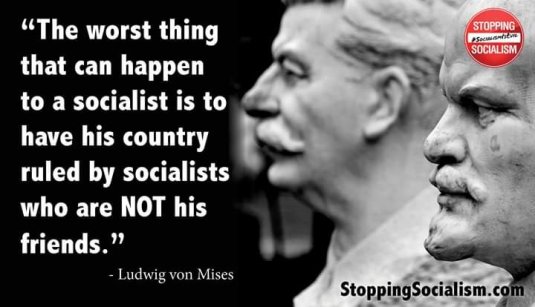
The socialist’s dilemma @AOC @BernieSanders
15 Jul 2020 Leave a comment
in Austrian economics, constitutional political economy, economics of crime, law and economics, Marxist economics Tags: autocracy, economics of socialism
Legal Systems Very Different From Ours with David Friedman 2020
14 Jul 2020 Leave a comment
in comparative institutional analysis, constitutional political economy, David Friedman, economic history, economics of crime, law and economics, property rights Tags: rule of law
Bryan Caplan on Marxism, Social Democracy and Democratic Socialism
12 Jul 2020 Leave a comment
in applied price theory, Austrian economics, comparative institutional analysis, constitutional political economy, development economics, economic history, economics of bureaucracy, entrepreneurship, history of economic thought, income redistribution, industrial organisation, labour economics, labour supply, law and economics, Marxist economics, poverty and inequality, privatisation, property rights, Public Choice, public economics, rentseeking, survivor principle
The Abandoned Hill With Two Members Of Parliament
12 Jul 2020 Leave a comment
in comparative institutional analysis, constitutional political economy, economic history, economics of bureaucracy, income redistribution, law and economics, property rights, Public Choice, public economics Tags: British history, British politics
Did France and Britain Almost Unite into the Franco-British Union?
09 Jul 2020 Leave a comment
in comparative institutional analysis, constitutional political economy, defence economics, economic history, International law, law and economics, Public Choice, war and peace Tags: World War II
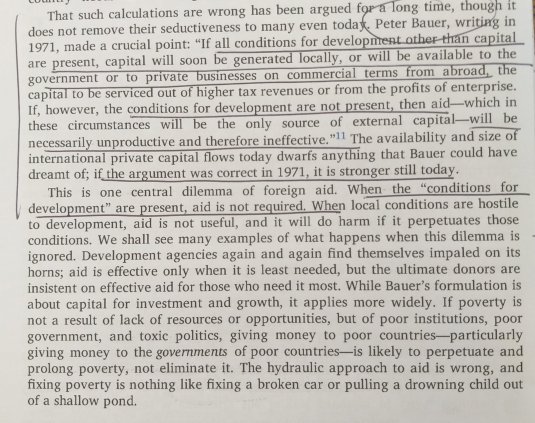
Angus Deaton’s The Great Escape channels P.T. Bauer
07 Jul 2020 Leave a comment
in comparative institutional analysis, constitutional political economy, development economics, economic history, economics of bureaucracy, growth disasters, growth miracles, income redistribution, law and economics, P.T. Bauer, property rights, Public Choice, public economics, rentseeking Tags: ODA, offsetting behaviour, The fatal conceit, The Great Enrichment, The Great Escape, unintended consequences
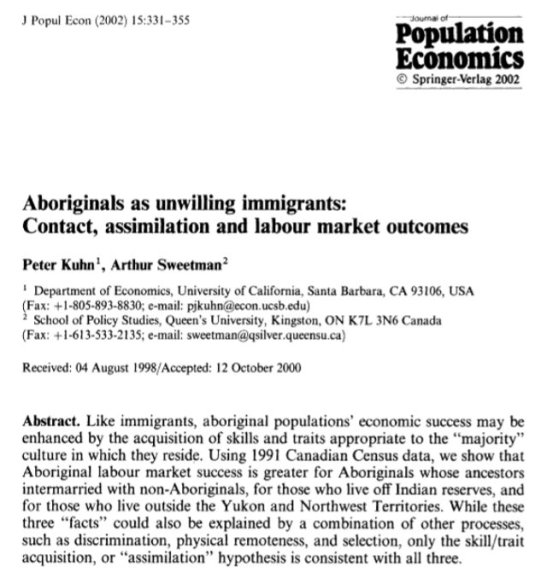
Assimilation and aborginal prosperity
28 Jun 2020 Leave a comment
in comparative institutional analysis, constitutional political economy, development economics, discrimination, human capital, income redistribution, labour economics, labour supply, law and economics, poverty and inequality, property rights, Public Choice, unemployment Tags: Canada, racial discrimination
More on reservations as backwaters
28 Jun 2020 Leave a comment
in comparative institutional analysis, constitutional political economy, development economics, discrimination, economics of bureaucracy, economics of crime, economics of education, economics of regulation, human capital, income redistribution, industrial organisation, labour economics, labour supply, law and economics, politics - USA, poverty and inequality, property rights, Public Choice, public economics, rentseeking, unemployment, welfare reform Tags: Canada, racial discrimination
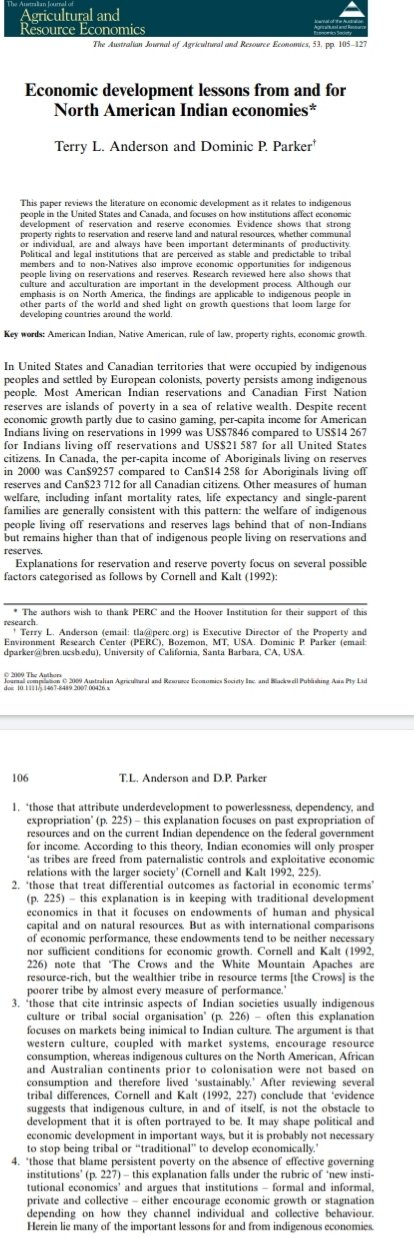
Indian reservations are pockets of poverty
28 Jun 2020 Leave a comment
in comparative institutional analysis, constitutional political economy, development economics, discrimination, economics of education, economics of regulation, financial economics, human capital, industrial organisation, labour economics, labour supply, law and economics, politics - USA, poverty and inequality, property rights Tags: racial discrimination

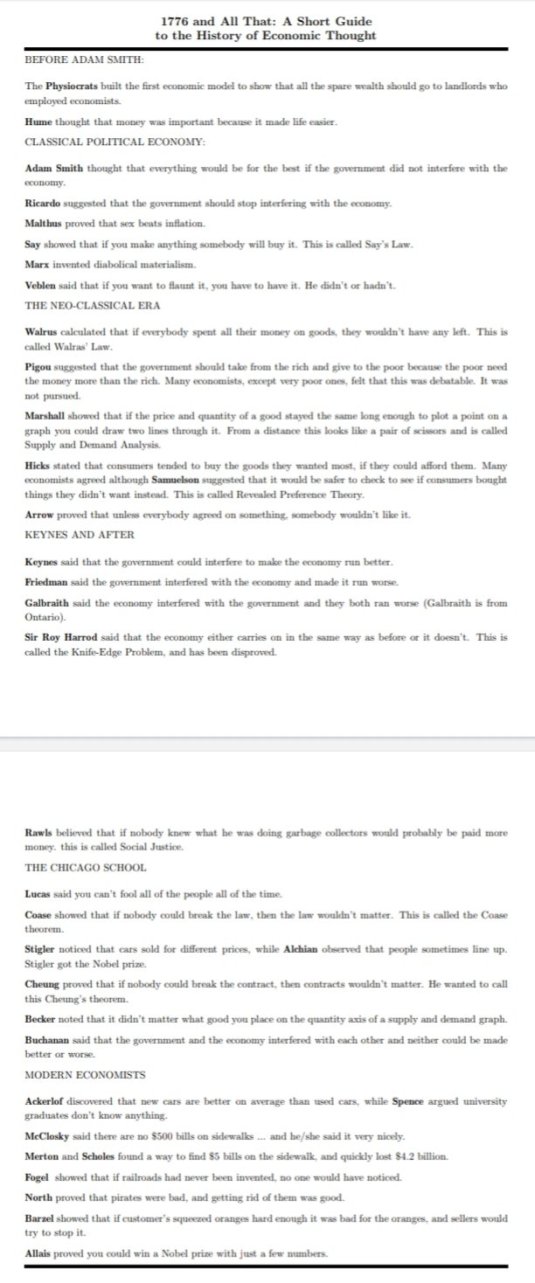
Good summary
25 Jun 2020 Leave a comment
in Adam Smith, Alfred Marshall, applied price theory, applied welfare economics, Armen Alchian, Austrian economics, comparative institutional analysis, constitutional political economy, economic history, economics of crime, economics of regulation, history of economic thought, industrial organisation, James Buchanan, James Buchanan, labour economics, law and economics, Marxist economics, Milton Friedman, property rights, Public Choice, Rawls and Nozick, Robert E. Lucas, Ronald Coase, Ronald Coase, theory of the firm
Hayek and Pandemic Response with Professor Mark Pennington
23 Jun 2020 Leave a comment
in applied price theory, applied welfare economics, Austrian economics, comparative institutional analysis, constitutional political economy, economic history, economics of bureaucracy, economics of information, economics of regulation, F.A. Hayek, health economics, history of economic thought, income redistribution, industrial organisation, international economics, labour economics, law and economics, personnel economics, rentseeking, survivor principle Tags: economics of pandemics, offsetting behaviour, pessimism bias, political correctness, regressive left, The fatal conceit, unintended consequences
HT Cafe Hayek
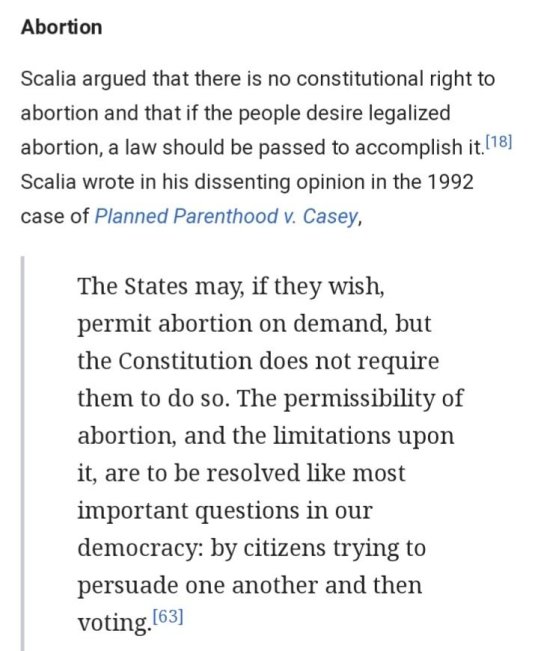
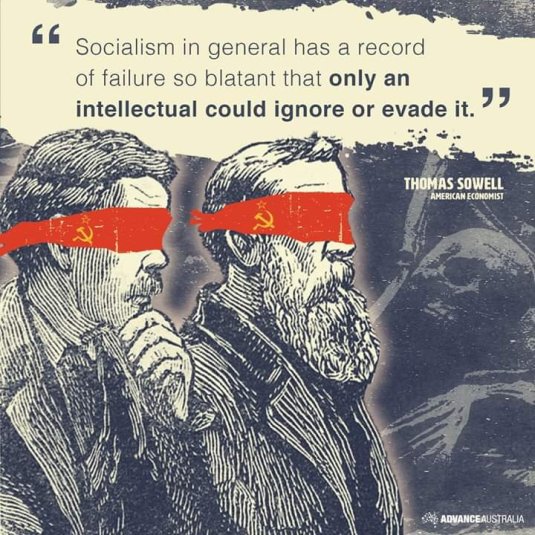
.@AOC @BernieSanders @SenWarren @Greens @NZGreens @oxfamnz
31 May 2020 Leave a comment
in applied price theory, comparative institutional analysis, constitutional political economy, development economics, economic history, economics of bureaucracy, economics of crime, economics of regulation, growth disasters, human capital, income redistribution, industrial organisation, labour economics, labour supply, law and economics, Marxist economics, poverty and inequality, property rights, Public Choice, rentseeking, survivor principle, Thomas Sowell Tags: fall of communism, offsetting behaviour, rational irrationality, regressive left, The fatal conceit, unintended consequences
Free To Choose in Under 2 Minutes Episode 2 – The Tyranny of Control
22 May 2020 Leave a comment
in Adam Smith, applied price theory, applied welfare economics, comparative institutional analysis, constitutional political economy, development economics, economic history, economics of religion, entrepreneurship, growth disasters, growth miracles, income redistribution, industrial organisation, international economics, labour economics, labour supply, law and economics, Milton Friedman, property rights, Public Choice, public economics, rentseeking, survivor principle, television Tags: capitalism and freedom, India, Japan
Free To Choose in Under 2 Minutes Episode 1 – The Power of the Market
21 May 2020 Leave a comment
in applied price theory, applied welfare economics, comparative institutional analysis, constitutional political economy, development economics, economic history, economics of regulation, entrepreneurship, financial economics, growth miracles, history of economic thought, industrial organisation, international economics, labour economics, labour supply, law and economics, Milton Friedman, occupational choice, poverty and inequality, property rights, Public Choice, public economics, survivor principle, television Tags: capitalism and freedom
 Utopia, you are standing in it!
Recent Comments