Corruption and Public Sector Wages
11 May 2016 Leave a comment
in development economics, economics, economics of bureaucracy, economics of crime, growth disasters, growth miracles, law and economics, Public Choice, rentseeking Tags: bribery and corruption
I hope no one in @OxfamGB’s #taxhaven clip were fresh from a #TPPANoWay march?
11 May 2016 Leave a comment
in applied price theory, development economics, economic history, growth disasters, growth miracles, income redistribution, international economic law, international economics, Public Choice, rentseeking Tags: antiforeign bias, Left-wing hypocrisy, neocolonialism, Oxfam, rational irrationality, reactionary left, tax havens, TPP
I hope none in this clip protesting against tax havens as short changing everybody else were fresh from protesting how international economic agreements such as the TPPA infringe on the sovereignty of countries.
If you standing up for national sovereignty that includes standing up for the right of other countries doing things that you do not like within their own country.
If countries have the right to set taxes and tariffs as high as they like, they have just the same right to set them as low as they like.
All that plucky rhetoric of TPPA no way and how international economic agreements violate the sovereignty of countries and developing countries in particular is forgotten in a flash by Oxfam.
Oxfam manages the blinding hypocrisy of opposing the Transpacific Partnership on national sovereignty grounds and at the same time call for international treaties to bully small countries about their tax policies, which overrides their economic sovereignty.
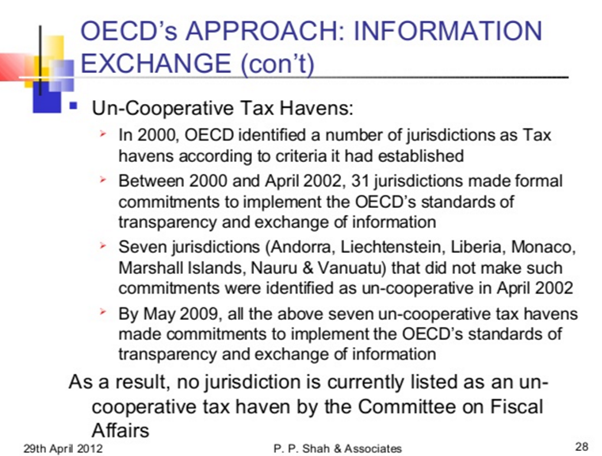
The sovereign rights of developing countries to find their own way does not extend to undermining the tax bases of the rich countries struggling to finance their welfare states.
The Pacific Islands, the once were heroes of the recent Paris climate talks, turn into pariahs once they start looking out for themselves and setting up offshore financial centres and tax havens.
Developing countries are free to impoverish themselves by embracing socialism, but if they decide to attract investment and jobs through low tax rates and offshore financial centres, a new form of colonialism is embraced by the reactionary left as embodied by Oxfam.
When my father was born, 7 in 10 people lived in absolute poverty.
Today, it's 1 in 10! https://t.co/1Caqku3AY1—
Tim Fernholz (@TimFernholz) October 21, 2015
Pierre Desrochers explains why the ‘buy local’ food movement overstates environmental benefits
08 May 2016 Leave a comment
in applied price theory, applied welfare economics, development economics, economic history, economics of media and culture, environmental economics, growth disasters, growth miracles, health economics, industrial organisation, transport economics Tags: food miles
Louis CK Everything Is Amazing And Nobody Is Happy
07 May 2016 Leave a comment
in applied welfare economics, development economics, economic history, growth miracles Tags: The Great Fact
What are rich countries so grumpy?
07 May 2016 Leave a comment
in applied welfare economics, development economics, growth disasters, growth miracles Tags: compensating differentials, pessimism bias, The Great Enrichment, The Great Fact
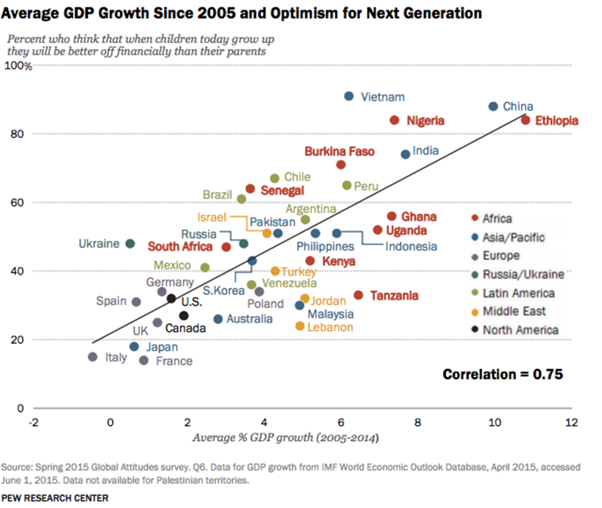
Many emerging countries see steep increase in smartphone ownership
05 May 2016 Leave a comment
in development economics, economics of media and culture, growth miracles, industrial organisation Tags: international technology diffusion, smart phones, technology diffusion

why the world isn’t even more corrupt than what we observe
04 May 2016 Leave a comment
in applied price theory, development economics, economic history, economics, economics of crime, economics of regulation, entrepreneurship, Gordon Tullock, growth disasters, growth miracles, income redistribution, law and economics, Public Choice, rentseeking Tags: bribery and corruption, Tullock paradox
Tyler Cowen on Peter Bauer
03 May 2016 Leave a comment
in development economics, economics, growth disasters, growth miracles, P.T. Bauer Tags: The Great Escape
Two myths about multinationals by Tyler Cowen
30 Apr 2016 Leave a comment
in comparative institutional analysis, development economics, economics, economics of media and culture, entrepreneurship, growth disasters, growth miracles, industrial organisation, survivor principle Tags: multinational corporations
Does “Fair Trade” Help?
29 Apr 2016 Leave a comment
in applied price theory, development economics, economics, gender, growth disasters, growth miracles, labour economics, labour supply Tags: fair trade
“Bourgeois Equality” lecture
28 Apr 2016 Leave a comment
in applied welfare economics, development economics, economic history, economics, economics of regulation, entrepreneurship, growth disasters, growth miracles, history of economic thought, industrial organisation, poverty and inequality, survivor principle Tags: Deirdre McCloskey, industrial revolution, The Great Enrichment
What role socialism in The Great Escape? @BernieSanders @JeremyCorbyn @JohnMcDonnellMP #feelthebern
26 Apr 2016 Leave a comment
in applied price theory, development economics, economic history, growth disasters, growth miracles, Public Choice, rentseeking Tags: anti-market bias, economics of socialism, rational irrationality, The Great Escape, The Great Fact
A new World Bank study shows the dramatic reductions in global poverty and inequality as a result of the spread of market institutions and freer trade.

Source: Capitalism, Global Trade, and the Reduction in Poverty and Inequality | Cato @ Liberty
Freedom as a solution to poverty @Oxfam
24 Apr 2016 Leave a comment
in Austrian economics, comparative institutional analysis, constitutional political economy, development economics, economic history, economics of media and culture, growth miracles Tags: Bill Easterly, The Great Escape, The pretence to knowledge
Poverty in #India under the Permit Raj and then the dead hand of #neoliberalism
24 Apr 2016 Leave a comment
in applied welfare economics, constitutional political economy, development economics, growth disasters, growth miracles, Marxist economics Tags: antiforeign bias, antimarket buyers, economics of socialism, India, permit raj, rational irrationality
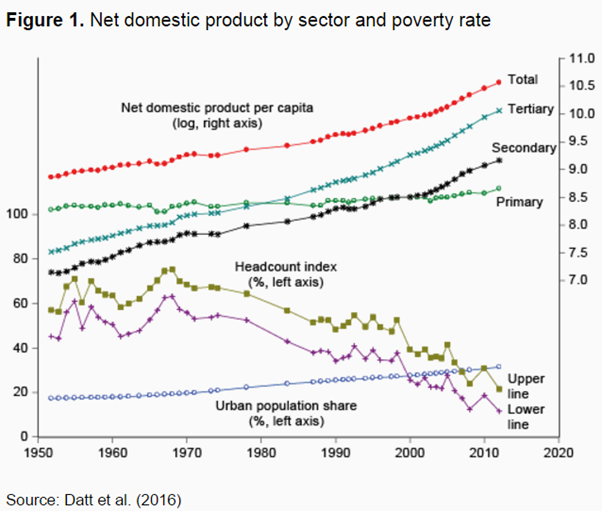
 Utopia, you are standing in it!
Recent Comments