P.T. Bauer on @BernieSanders extending #fightfor15 to entire Third World!
19 Apr 2016 Leave a comment
in applied welfare economics, behavioural economics, constitutional political economy, development economics, economic history, growth disasters, growth miracles, P.T. Bauer, politics - USA, Public Choice Tags: 2016 presidential election, antiforeign buyers, George Orwell, living wage, rational irrationality, The fatal conceit, The pretense to knowledge
India tried that in the 1950s as part of its five-year plans. It did not work that well. Bauer said that in development economics there is a “need to restate the obvious.”
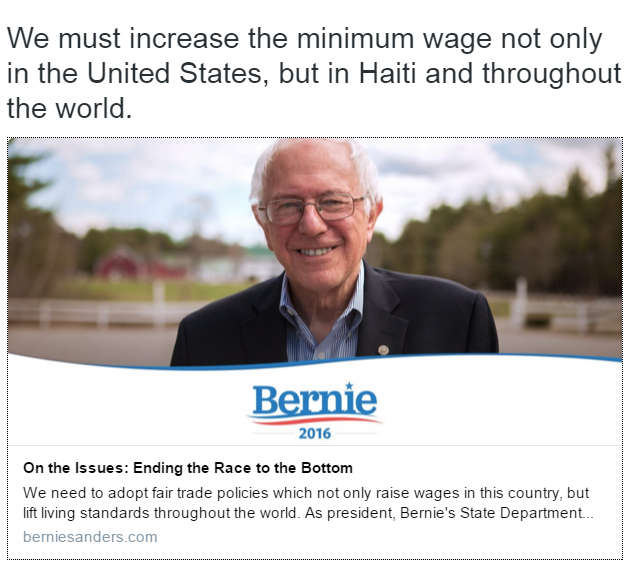
Source: Ending the Race to the Bottom – Bernie Sanders.
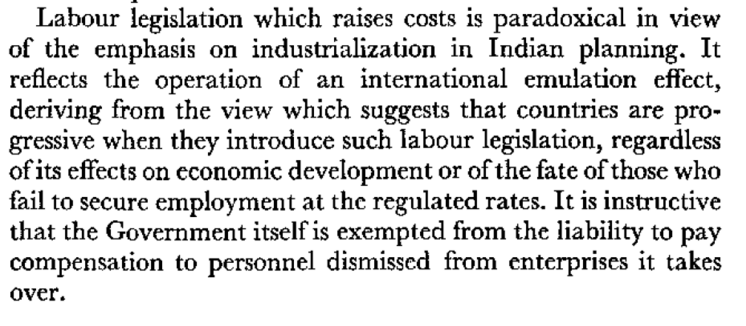
Source: Indian Economic Policy and Development – P. T. Bauer (1959) – Google Books
<p><img src="http://quotes.lifehack.org/media/quotes/quote-George-Orwell-we-have-now-sunk-to-a-depth-39424.png" /></p> <p>
Walter Block defends multinational corporations in developing countries
18 Apr 2016 Leave a comment
in development economics, growth disasters, growth miracles, industrial organisation, international economics, labour economics, labour supply Tags: foreign direct investment, foreign investment, multinational corporations, Walter Bloch

The future should sue today’s climate activists for slowing The Great Escape
16 Apr 2016 Leave a comment
in development economics, economic history, economics of media and culture, energy economics, environmental economics, global warming, growth miracles, law and economics Tags: climate activists, climate alarmism, extreme poverty, The Great Enrichment, The Great Escape, vexatious litigation
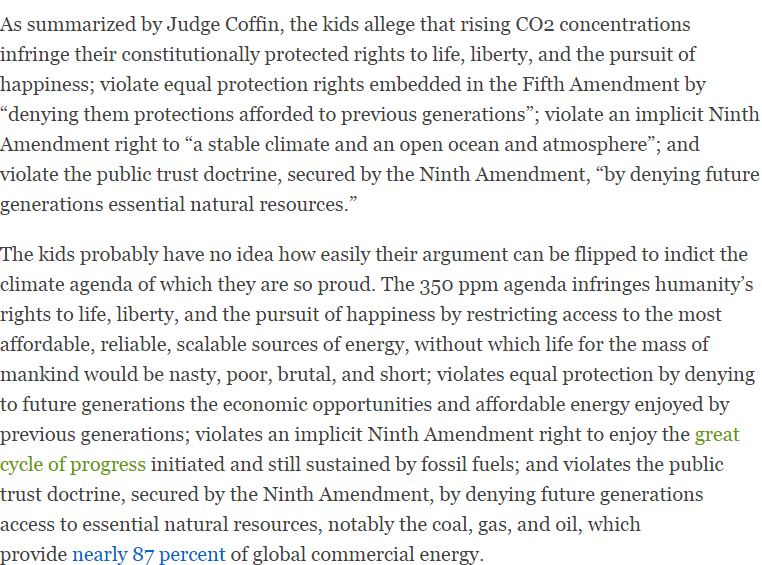
@CFigueres seriously mistaken on carbon emissions and global poverty
13 Apr 2016 Leave a comment
in applied welfare economics, development economics, economic history, energy economics, environmental economics, global warming, growth disasters, growth miracles, Public Choice, rentseeking Tags: climate alarmism, extreme poverty, global poverty, The Great Escape
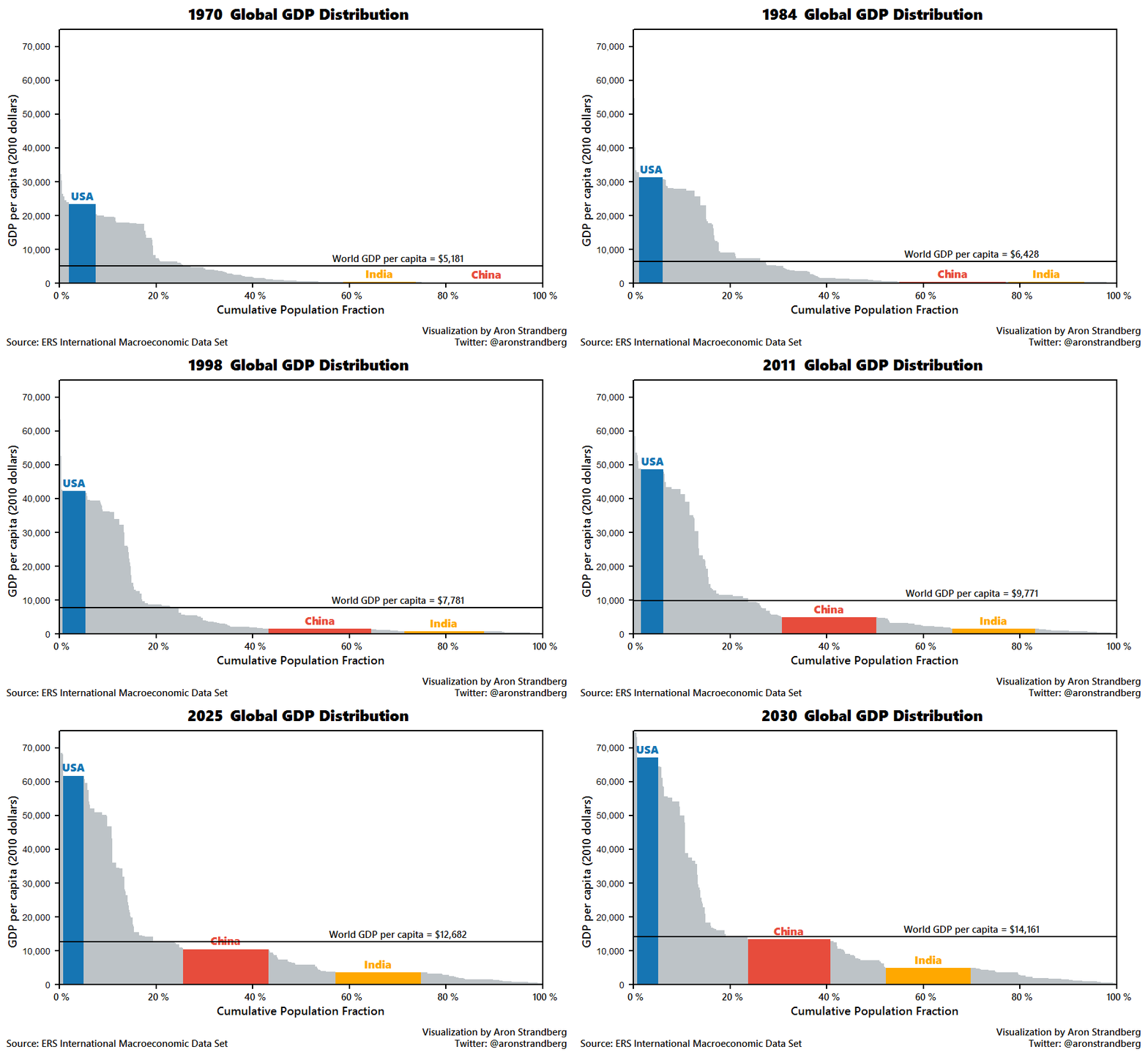
What will global GDP look like in 2030?
11 Apr 2016 Leave a comment
in development economics, economic growth, economics, economics of media and culture, growth disasters, growth miracles Tags: The Great Enrichment
The enormous costs of socialism in Eastern European @BernieSanders @jeremycorbyn @johnmcdonnellMP
09 Apr 2016 Leave a comment
in applied price theory, applied welfare economics, development economics, economic history, growth disasters, growth miracles, law and economics, Marxist economics Tags: 2016 presidential election, British politics, collapse of communism, economics of socialism, Leftover Left

@BernieSanders just wants to build a different type of wall to @realdonaldtrump’s
09 Apr 2016 Leave a comment
in applied price theory, applied welfare economics, development economics, growth disasters, growth miracles, industrial organisation, international economics, labour economics, labour supply, politics - USA Tags: 2016 presidential election, antiforeign bias, economics of immigration, left-wing popularism, Mexico, NAFTA, right-wing popularism, The Great Escape, trade agreements


@JulieAnneGenter tax havens underwrite The Great Escape from extreme poverty in developing countries
08 Apr 2016 Leave a comment
in applied price theory, constitutional political economy, development economics, economic history, economics of bureaucracy, economics of crime, growth disasters, growth miracles, International law, law and economics, property rights, rentseeking
Tax havens and offshore financial centres are vital to the economic development of poor countries. There are plenty of countries, poor countries, where the ability to move funds offshore is fundamental to successful investment. That is missed in the reporting of the Panama Papers:
Consider the big names that have shown up so far on the list. With the notable exception of Iceland, these are not countries I would describe as “capitalist”: Russia, Pakistan, Iraq, Ukraine, Egypt. They’re countries where kleptocratic government officials amass money not through commerce, but through quasi-legal extortion, or siphoning off the till. This is an activity that has gone on long before capitalism, and probably before there was money.
Tax havens and offshore financial centres offer a way in which entrepreneurs can make an honest investment, secure a return and put it aside safely from the reach of the minister’s cousin who wants to muscle in once the business succeeded.
A major problem in poor countries is short time horizons for investment. Entrepreneurs must make their money quickly.
Many years ago there is a survey of entrepreneurs in Russia and Poland. It was in the early 1990s. Each was asked whether an investment project that doubled their money in two years was worth the risk. The Russian entrepreneurs mostly said no, the Polish entrepreneur said yes.
So insecure are the returns from investment in Russia at that time that the phenomenal returns were required before an investment was made. They would only invest if they could double the money in two years.
Many years ago, Mancur Olson wrote an insightful book about prosperity and dictatorships. He introduced the concept of rights intensive production.
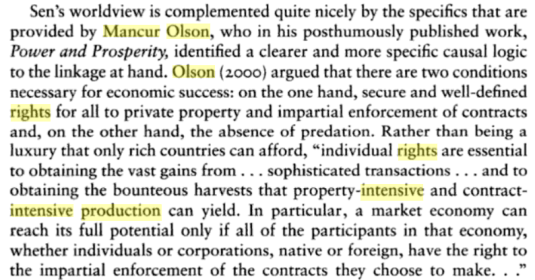
As countries become more and more developed, investment horizons lengthen and depends more and more upon the enforcement of contract and property rights in a tolerably honest way.
Instead of being the first entrepreneur to introduce the most basic technologies and profit handsomely, entrepreneurs are introducing a product upgrade or new product that is a minor improvement on current offerings. Such investments will take time to pay off.
In many developing countries, China as an example, property rights are insecure. One way to secure your investment is to take the proceeds offshore to a tax haven. If everything goes wrong, at least you got some nest egg overseas.
As many developing countries have corrupt politicians and dishonest courts, the way to secure gains from honest investments is to move some of the profits offshore. That is why tax havens are essential to poor countries growing richer.
One of the sources of Hong Kong prosperity was investors would deal with a Hong Kong-based company with the requisite political and economic links to China. They could enforce their contracts in China against their Hong Kong assets because the contract was based in Hong Kong under British law.
If the local legal system is inadequate, entrepreneurs well look overseas for mechanisms to force contracts and secure their returns on investments against confiscation.
Latin America is becoming richer and less unequal
08 Apr 2016 Leave a comment
in development economics, economic history, growth disasters, growth miracles Tags: extreme poverty, global poverty, Latin America
@BernieSanders @realdonaldtrump want to reverse The Great Escape in developing countries
07 Apr 2016 Leave a comment
in applied welfare economics, development economics, economic history, growth disasters, growth miracles, industrial organisation, international economics, politics - USA, Public Choice, rentseeking, survivor principle Tags: absolute poverty, extreme poverty, tariffs, The Great Escape, trade agreements, trade liberalisation
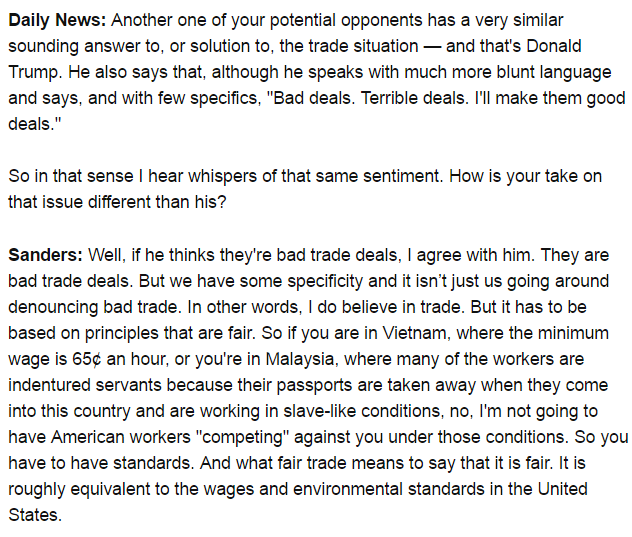
Source: TRANSCRIPT: Bernie Sanders meets with News Editorial Board – NY Daily News.
/cdn0.vox-cdn.com/uploads/chorus_asset/file/3854986/UN-report-poverty.0.png)
Source: If you’re poor in another country, this is the scariest thing Bernie Sanders has said – Vox.
/cdn0.vox-cdn.com/uploads/chorus_asset/file/6104377/Screen%20Shot%202016-02-25%20at%2011.48.27%20AM.png)
Source: If you’re poor in another country, this is the scariest thing Bernie Sanders has said – Vox.
.
35 years of the global economy in one video
06 Apr 2016 Leave a comment
in development economics, economic history, economics of media and culture, growth miracles Tags: The Great Enrichment, The Great Fact
More evidence of mass kidnappings of @Oxfamnz activists – the #FinalCountdown
29 Mar 2016 Leave a comment
in development economics, growth miracles
They can be no other explanation than mass kidnappings are stopping principled ODA activists such as in Oxfam from dancing in the streets celebrating the success of capitalism in starting the final countdown to the abolition of extreme poverty.
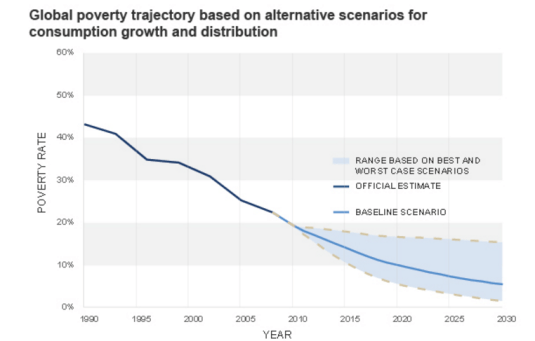
 Utopia, you are standing in it!
Recent Comments