Culture of Gowth: Origins of the Modern Economy
08 Aug 2016 Leave a comment
in behavioural economics, comparative institutional analysis, constitutional political economy, development economics, economic history, growth disasters, growth miracles, industrial organisation, law and economics, Public Choice Tags: industrial revolution, The Great Fact
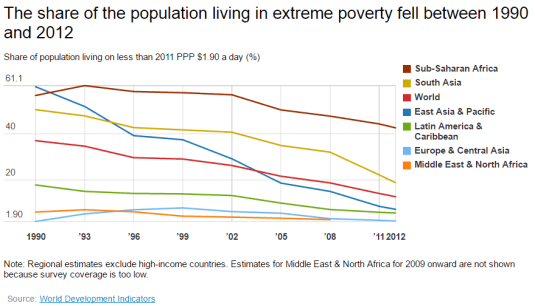
Most of the extreme poor will be in sub-Saharan Africa in 2030
08 Aug 2016 Leave a comment
in development economics, economic history, growth disasters, growth miracles Tags: Africa, extreme poverty, global poverty, The Great Escape
India Awakes – Street Vendors vs. Corrupt Officials
07 Aug 2016 Leave a comment
in development economics, economics, growth disasters, growth miracles Tags: India
McCloskey explains Modern Economic Growth
06 Aug 2016 Leave a comment
in applied price theory, applied welfare economics, comparative institutional analysis, constitutional political economy, development economics, economic history, economics, growth disasters, growth miracles Tags: Deirdre McCloskey, The Great Enrichment, The Great Escape, The Great Fact
The Solow model and catch-up growth
31 Jul 2016 Leave a comment
in development economics, economic growth, economics, growth miracles Tags: Solow convergence
Brad de Long on Marx and adapting to The Great Enrichment
30 Jul 2016 Leave a comment
in applied welfare economics, constitutional political economy, development economics, economic history, poverty and inequality
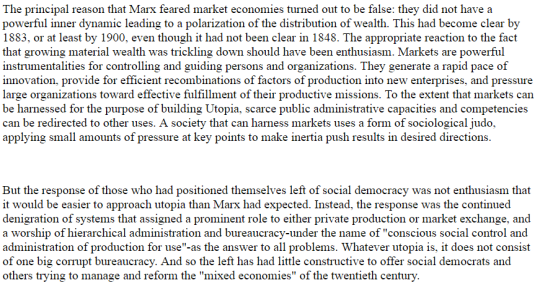
Source: Brad de Long, The Fall of the Soviet Union
In most public health campaigns, “zero” doesn’t mean zero. But to eradicate Ebola in a big city; “zero” means “zero”
20 Jul 2016 Leave a comment
in defence economics, economics, growth disasters, health economics Tags: Ebola
Military coup success rates since 2000
17 Jul 2016 Leave a comment
in defence economics, development economics, Public Choice
Since 2000 there have been 62 coup attempts and 23 successful coups.

Source: Map of coups since 2000 – including 2016 Turkey Coup attempt.
Why nations fail?
15 Jul 2016 Leave a comment
in constitutional political economy, development economics, growth disasters, law and economics, property rights, Public Choice

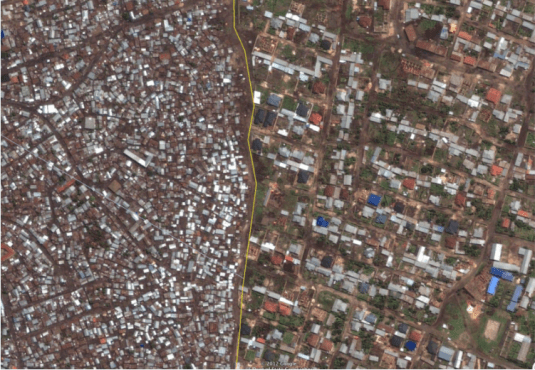
The O-Ring theory of development
15 Jul 2016 Leave a comment
in applied price theory, development economics, economics
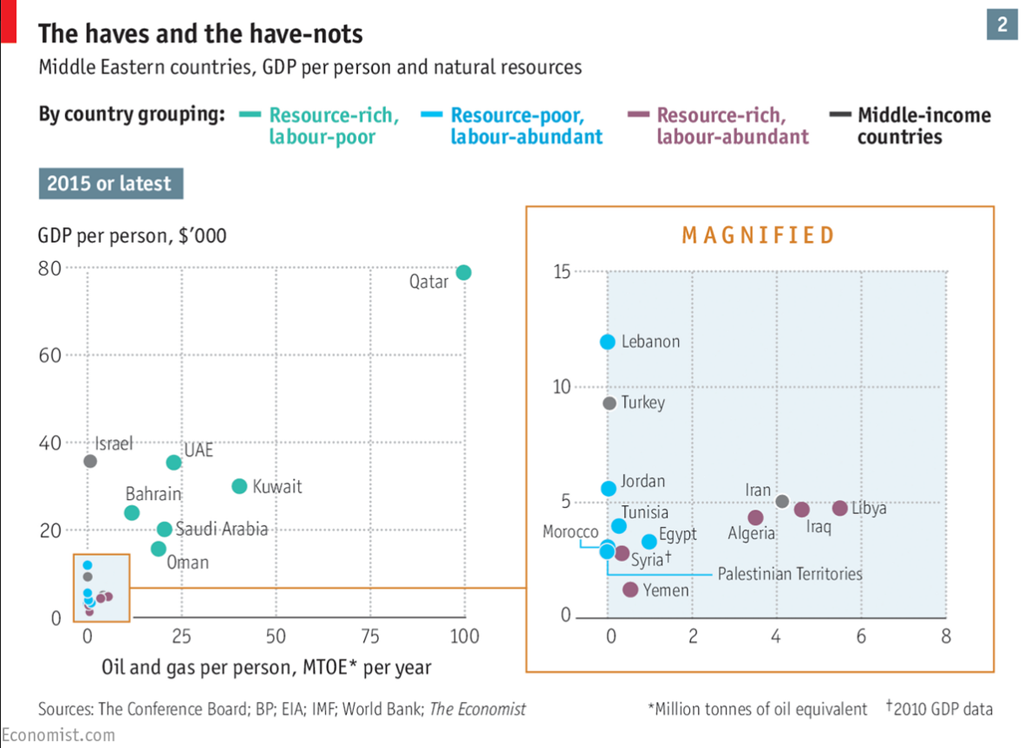
The haves and have-nots in the Middle East
11 Jul 2016 Leave a comment
in development economics Tags: Middle-East politics, Oil prices, resource curse
Everything is better now than it ever has been
10 Jul 2016 Leave a comment
in applied welfare economics, development economics, economic history, growth miracles Tags: The Great Enrichment, The Great Escape
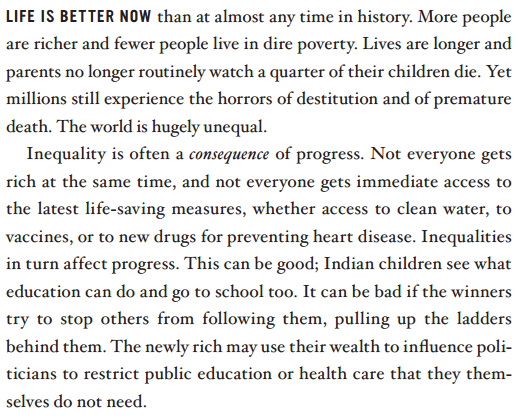
Source: Angus Deaton, The Great Escape (2013).
Yes @greens @GreenpeaceUSA everything is getting better
09 Jul 2016 Leave a comment
in applied welfare economics, development economics, economic history
The Economist Crony Capitalism Index
08 Jul 2016 Leave a comment
in applied price theory, applied welfare economics, comparative institutional analysis, constitutional political economy, development economics, economics of bureaucracy, entrepreneurship, financial economics, growth disasters, growth miracles, industrial organisation, politics - USA, Public Choice, rentseeking, survivor principle Tags: crony capitalism, superstar wages, superstars, top 1%

…


Recent Comments