On appeals to emotion
11 Apr 2015 Leave a comment
in development economics, energy economics, environmental economics, environmentalism, global warming, growth disasters, health economics, liberalism, resource economics Tags: activists, bootleggers and baptists, climate alarmism, conjecture and refutation, green rent seeking, peak oil, population bomb, precautionary principle
Where will be the remnants of extreme poverty in 2030?
11 Apr 2015 Leave a comment
in development economics, growth disasters, growth miracles Tags: extreme poverty, global poverty, The Great Fact
Hot off the press: @WorldBank publishes new global poverty estimates and forecasts. 1.01 billion < $1.25/day in 2011 http://t.co/cGfdEAdOMo—
Laurence Chandy (@laurencechandy) October 08, 2014
Poverty will not always be with us
10 Apr 2015 Leave a comment
in development economics, growth disasters, growth miracles Tags: capitalism and freedom, extreme poverty, global poverty, The Great Fact

via Poverty: Not always with us | The Economist

where do the extreme poor live? this @worldbank graphic wont tell you as it ignores new survey data 4 Nigeria & India http://t.co/APb0M0TuYK—
Laurence Chandy (@laurencechandy) April 14, 2014
Capitalism and freedom is noticeably missing from this survey of UN effectiveness
09 Apr 2015 Leave a comment
in comparative institutional analysis, constitutional political economy, development economics, growth disasters, growth miracles, Public Choice, rentseeking Tags: capitalism and freedom, overseas development assistance, UN
perceptions of the UN's impact from the development community http://t.co/k8XYisxGaK—
Laurence Chandy (@laurencechandy) October 07, 2014
Whatever happened to the population bomb that so troubled the environmentalist doomsday prophets?
09 Apr 2015 Leave a comment
in development economics, growth miracles, population economics Tags: activists, cranks, doomsday prophets, population bomb, the economics of fertility
The world is making less people en.wikipedia.org/wiki/Total_fer… | http://t.co/FlgwlrkUJO—
Charts and Maps (@ChartsAndMaps) April 04, 2015
Who has been and will be carrying the baton to abolish global poverty by 2030?
09 Apr 2015 Leave a comment
in constitutional political economy, development economics, growth disasters, growth miracles
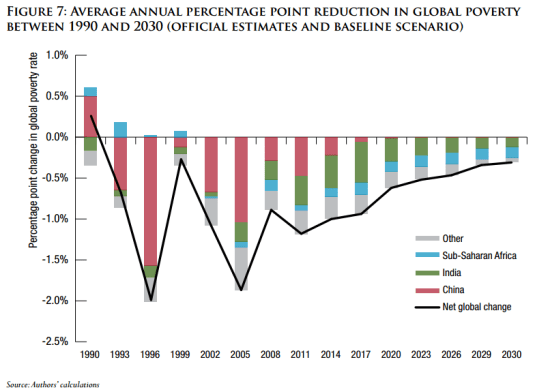
Via The Final Countdown: Prospects for Ending Extreme Poverty by 2030 (Report) | Brookings Institution.
How can New Zealand blamed distance for its woes when international technology diffusion is speeding up
09 Apr 2015 Leave a comment
in development economics, economic growth, growth disasters, growth miracles, macroeconomics, politics - New Zealand Tags: borderless world, catch up, geography, international technology diffusion, lost decades, tyranny of distance
It took 100yrs for steamship technology to spread from rich to poor nations. Today tech diffuses almost instantly http://t.co/Jz3gVk8bqQ—
Laurence Chandy (@laurencechandy) February 03, 2015
The Chinese and Vietnamese development miracles compared
09 Apr 2015 Leave a comment
in development economics, growth disasters, growth miracles Tags: China, Vietnam
Which country reduced its $1.25 poverty rate fastest since 1990, China or Vietnam? Vietnam, by a whisker. http://t.co/C7AbA2XWSy—
Laurence Chandy (@laurencechandy) January 02, 2014
Hans Rosling’s Yardstick of Wealth – Don’t Panic – The Truth About Population
08 Apr 2015 Leave a comment
in development economics, growth miracles, population economics
Half of India regards itself as middle-class
08 Apr 2015 Leave a comment
in development economics, growth disasters, growth miracles Tags: India, The Great Fact
almost half of India's poor self-identify as middle class thehindu.com/opinion/op-ed/… http://t.co/WSYNCqmekk—
Laurence Chandy (@laurencechandy) December 09, 2014
The role of governance in holding back the abolition of extreme poverty by 2030
08 Apr 2015 Leave a comment
in constitutional political economy, development economics, growth disasters, growth miracles
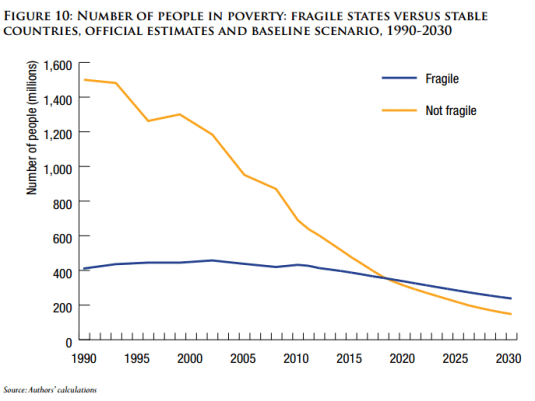
Via The Final Countdown: Prospects for Ending Extreme Poverty by 2030 (Report) | Brookings Institution.
The real-estate surge in the Philippines
08 Apr 2015 Leave a comment
in development economics, growth disasters, growth miracles, urban economics Tags: The Philippines
The real-estate surge in the Philippines is breaking records on.wsj.com/1N6E80U http://t.co/WnWWNx1CiN—
Wall Street Journal (@WSJ) April 08, 2015
Diego Comin — Why New Technologies Do Not Make Poor Countries Rich
06 Apr 2015 Leave a comment
in development economics, economic growth, growth disasters, growth miracles, macroeconomics, technological progress Tags: Deigo Comin, technology diffusion
19 incumbent African leaders have been defeated at the polls
06 Apr 2015 Leave a comment
in constitutional political economy, development economics, growth disasters, growth miracles, Public Choice Tags: Africa, capitalism and freedom, free elections, second turnover
After Nigeria, 19 incumbent African leaders have been defeated at the polls. Ever. (ht @calestous) http://t.co/nRdeFYS122—
ian bremmer (@ianbremmer) April 02, 2015
The Great Escape – life expectancy is rising everywhere version
03 Apr 2015 Leave a comment
in applied welfare economics, development economics, growth disasters, growth miracles, health economics Tags: life expectancy, The Great Escape, The Great Fact

Since 1990, my life expectancy has increased by three months for every year I have lived! Not bad odds. What more can capitalism do before people stop complaining.
live. via 26 charts and maps that show the world is getting much, much better – Vox.


Recent Comments