Masters of Finance: Eugene Fama
13 Feb 2020 Leave a comment
in econometerics, economic history, economics of information, financial economics Tags: efficient markets hypothesis
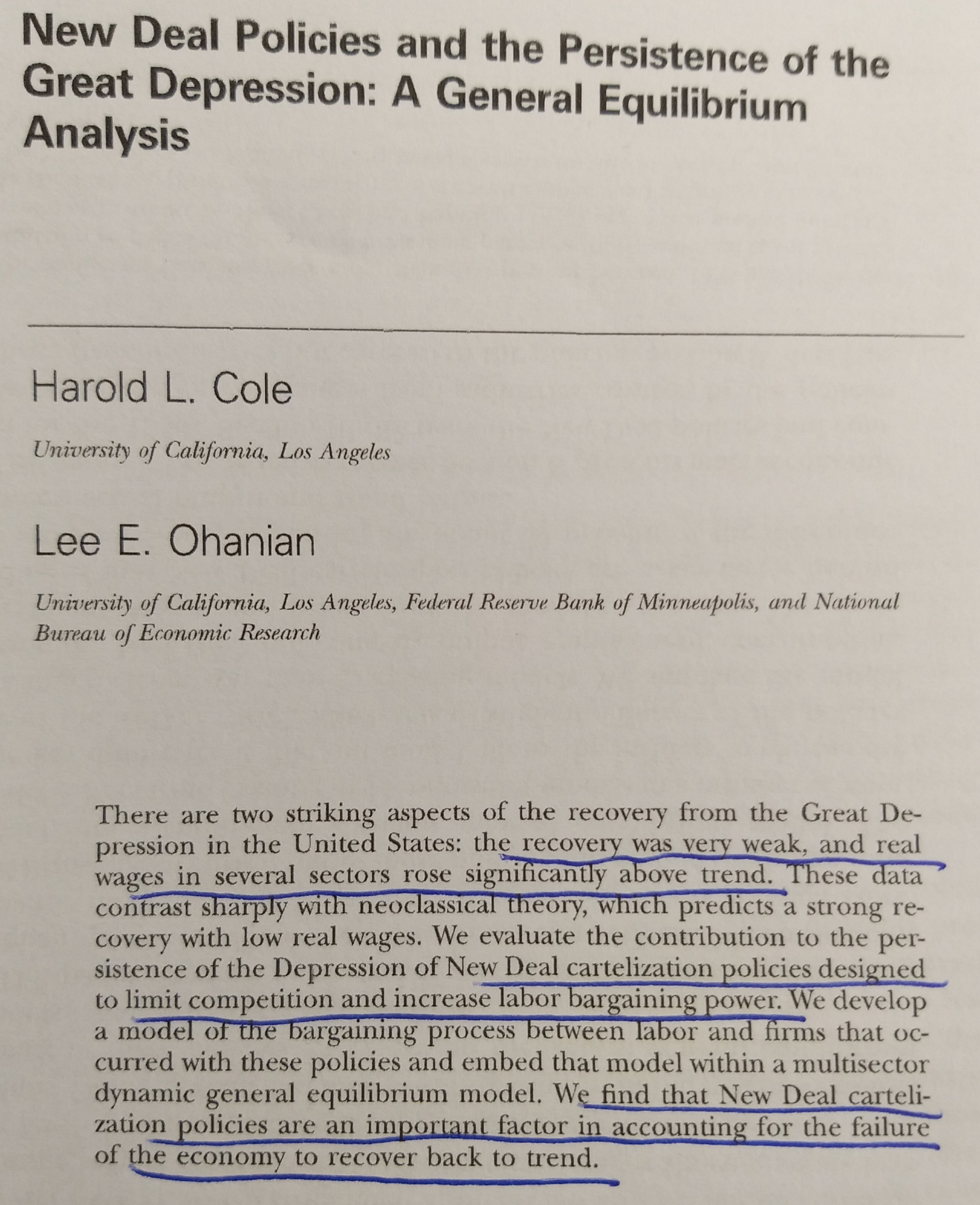
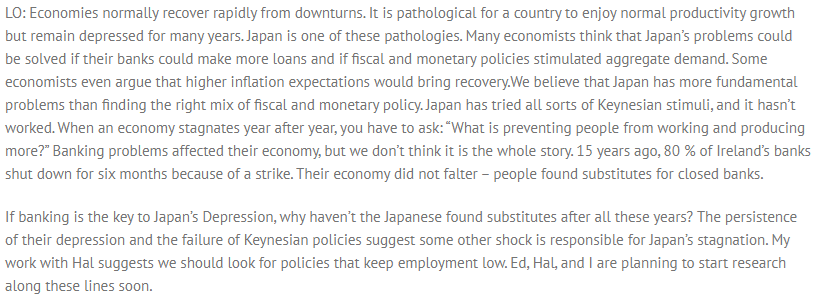
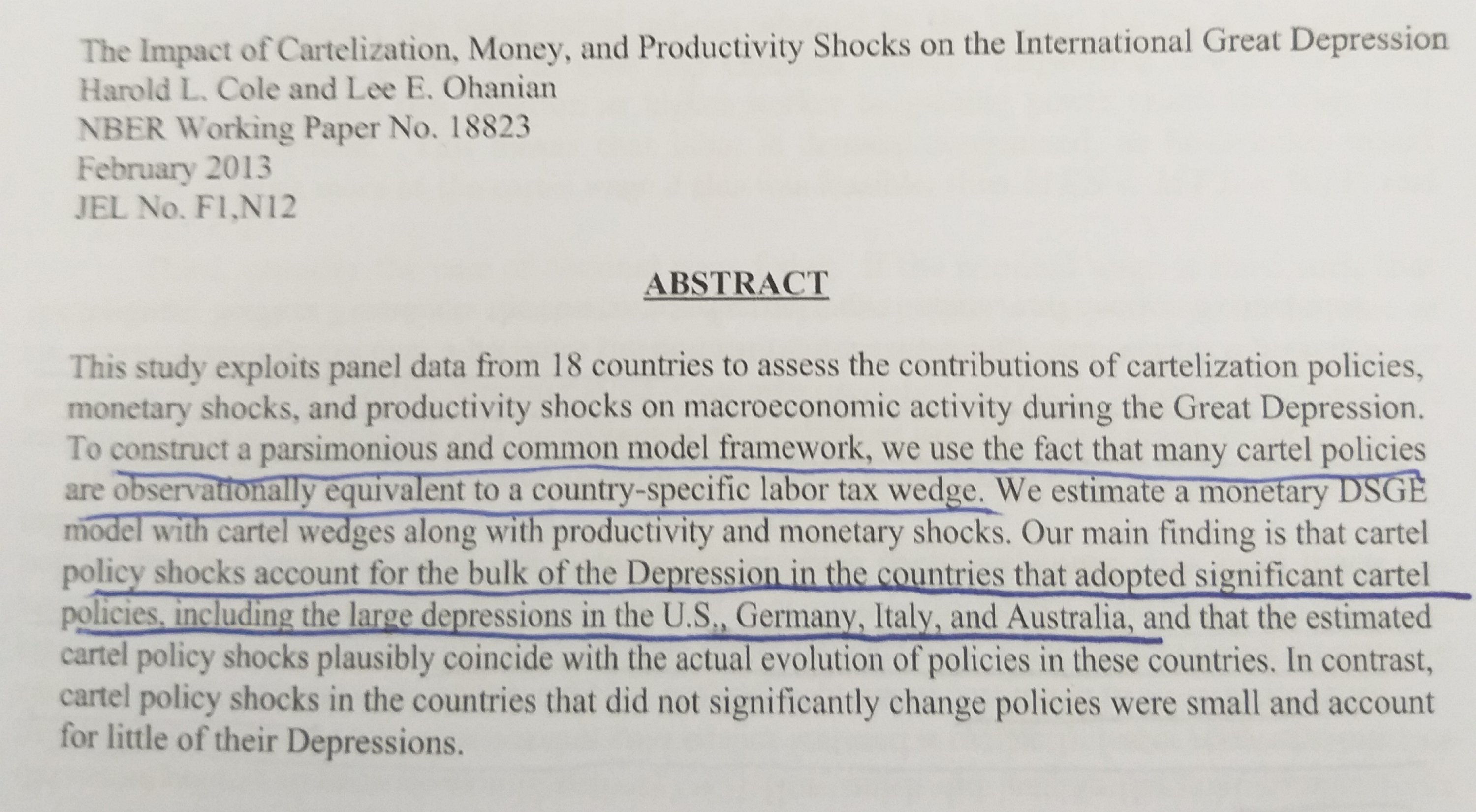
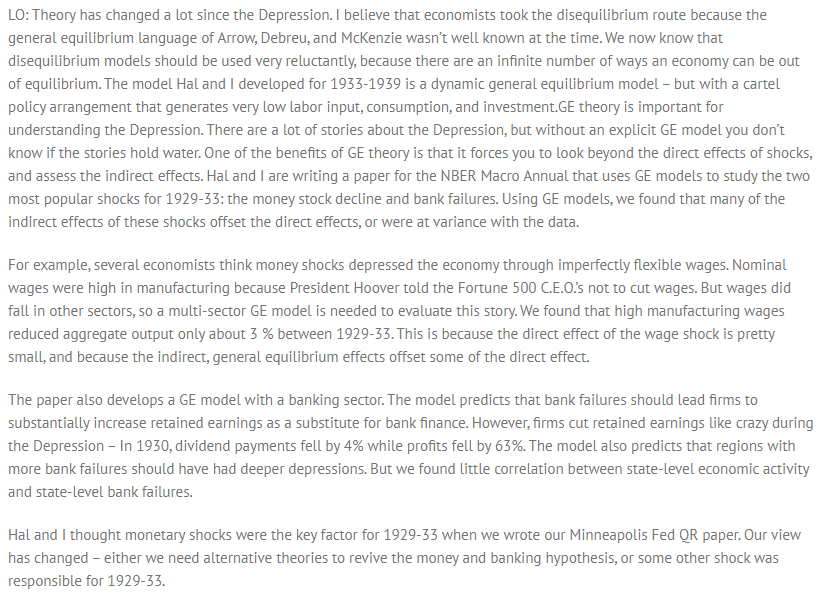
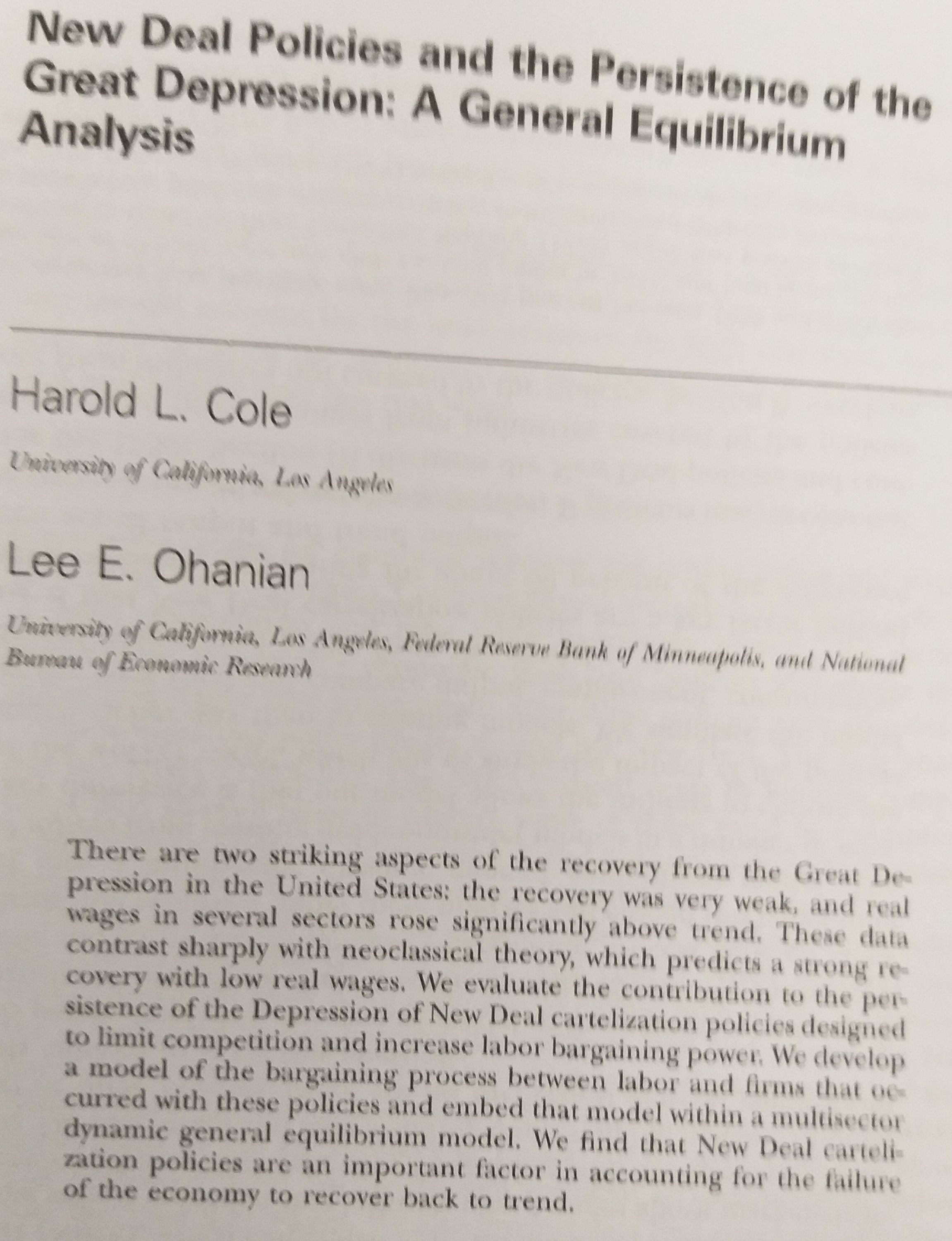
Edward Prescott, Monetary Policy with 100% Reserve Banking: An Exploration
12 Feb 2020 Leave a comment
in applied price theory, applied welfare economics, budget deficits, business cycles, econometerics, economic history, Edward Prescott, global financial crisis (GFC), great depression, great recession, industrial organisation, macroeconomics, Milton Friedman, monetarism, monetary economics, property rights, Public Choice, Robert E. Lucas Tags: real business cycles
Nobel Symposium Emi Nakamura Monetary policy: Conventional and unconventional
12 Feb 2020 Leave a comment
in budget deficits, business cycles, econometerics, economic growth, economic history, Euro crisis, fiscal policy, global financial crisis (GFC), great depression, great recession, macroeconomics, monetarism, monetary economics Tags: New Keynesian macroeconomics
In Short: Marianne Bertrand on the gender earnings gap
10 Feb 2020 Leave a comment
in discrimination, econometerics, economics of education, gender, health and safety, human capital, labour economics, labour supply, occupational choice, poverty and inequality Tags: gender wage gap
The Myth of the Rational Voter – Bryan Caplan
08 Feb 2020 Leave a comment
in applied price theory, comparative institutional analysis, constitutional political economy, econometerics, economic history, economics of bureaucracy, economics of information, economics of regulation, income redistribution, industrial organisation, international economics, labour economics, labour supply, law and economics, macroeconomics, politics - Australia, politics - New Zealand, politics - USA, Public Choice, public economics, rentseeking Tags: anti-foreign bias, anti-market bias, make-work bias, pessimism bias, rational ignorance, rational irrationality
Blind audition study: Truth or myth?
02 Feb 2020 Leave a comment
in applied price theory, discrimination, econometerics, economics of education, economics of information, gender, human capital, labour economics, labour supply, law and economics, occupational choice, personnel economics Tags: gender wage gap, sex discrimination
James Heckman on affirmative action
01 Feb 2020 Leave a comment
in applied price theory, applied welfare economics, comparative institutional analysis, constitutional political economy, discrimination, econometerics, economic history, economics of bureaucracy, economics of education, economics of information, economics of regulation, human capital, income redistribution, labour economics, labour supply, law and economics, occupational choice, occupational regulation, politics - USA, population economics, poverty and inequality, Public Choice, public economics, urban economics Tags: affirmative action, child poverty, family poverty, racial discrimination, The fatal conceit
Affirmative Action and Its Mythology by Roland G. Fryer Jr. and Glenn C. Loury
01 Feb 2020 Leave a comment
in applied price theory, applied welfare economics, comparative institutional analysis, discrimination, econometerics, economic history, economics of bureaucracy, economics of education, economics of information, economics of regulation, gender, human capital, income redistribution, labour economics, labour supply, law and economics, occupational choice, politics - USA, poverty and inequality, Public Choice, public economics, rentseeking Tags: affirmative action
Ross McKitrick testifies at the Canadian Senate Hearing – December 15, 2011 on #globalwarming #climateemergency
31 Jan 2020 Leave a comment
in econometerics, economics of education, economics of information, energy economics, environmental economics, global warming, law and economics, property rights, Public Choice, public economics, rentseeking Tags: climate alarmists


Recent Comments