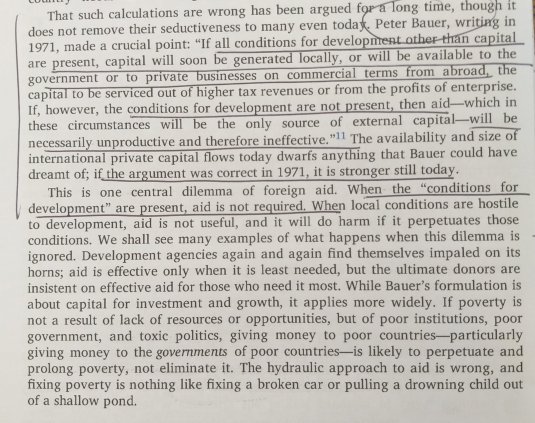
Angus Deaton’s The Great Escape channels P.T. Bauer
07 Jul 2020 Leave a comment
in comparative institutional analysis, constitutional political economy, development economics, economic history, economics of bureaucracy, growth disasters, growth miracles, income redistribution, law and economics, P.T. Bauer, property rights, Public Choice, public economics, rentseeking Tags: ODA, offsetting behaviour, The fatal conceit, The Great Enrichment, The Great Escape, unintended consequences
Jordan Peterson – Inside the Marxist Worldview
07 Jul 2020 Leave a comment
in economic history, economics of education, Marxist economics
06 Jul 2020 Leave a comment
in economic history, economics of education, labour economics, labour supply, law and economics, politics - USA, Public Choice Tags: American Civil War, political correctness, regressive left

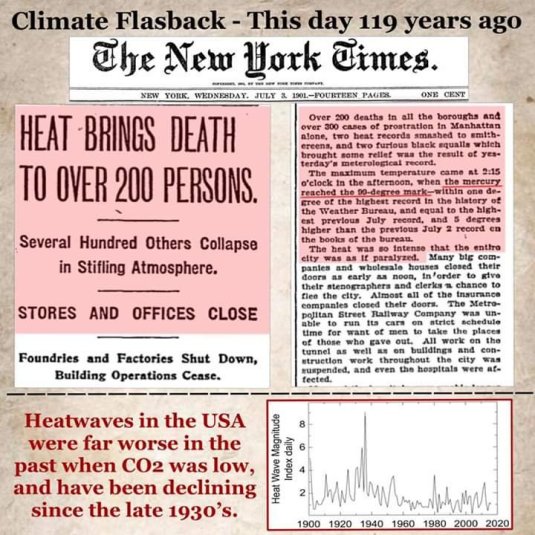
#OTD #globalwarming #climateemergency @Greenpeace @Greens @NZGreens @oxfam @AOC @BernieSanders @SenWarren
03 Jul 2020 Leave a comment
in economic history, energy economics, environmental economics, global warming Tags: climate alarmists, pessimism bias
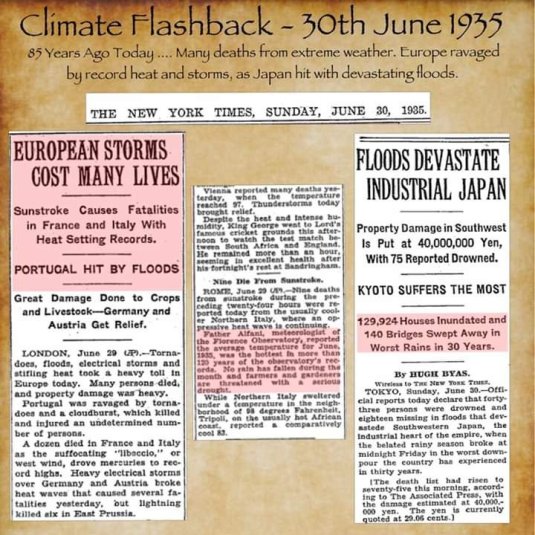
#OTD #globalwarming #climateemergency @Greenpeace @Greens @NZGreens @jamespeshaw @AOC @BernieSanders @SenWarren
30 Jun 2020 Leave a comment
in economic history, energy economics, environmental economics, global warming Tags: climate alarmists, pessimism bias
The Truth About Stalin’s Prison Camps
29 Jun 2020 Leave a comment
in economic history, Marxist economics Tags: Stalin
Thomas Sowell Destroys Feminism and Racialism in under 5 minutes
28 Jun 2020 Leave a comment
in discrimination, economic history, economics of education, gender, human capital, labour economics, labour supply, occupational choice Tags: gender wage gap

Fair Argument Against “Systemic Racism”
26 Jun 2020 Leave a comment
in discrimination, economic history, economics of bureaucracy, economics of crime, economics of education, economics of information, human capital, income redistribution, labour economics, labour supply, law and economics, politics - USA, poverty and inequality, property rights, Public Choice, welfare reform Tags: racial discrimination, regressive left
How Dogs (Eventually) Became Our Best Friends
26 Jun 2020 Leave a comment
in economic history, economics of media and culture Tags: dogs
What Made the Viking Longship So Terrifyingly Effective
26 Jun 2020 Leave a comment
in defence economics, economic history
The Transatlantic Telegraph Cable: A Tale of Extraordinary Perseverance
26 Jun 2020 Leave a comment
in economic history, entrepreneurship, industrial organisation, international economics, survivor principle Tags: creative destruction
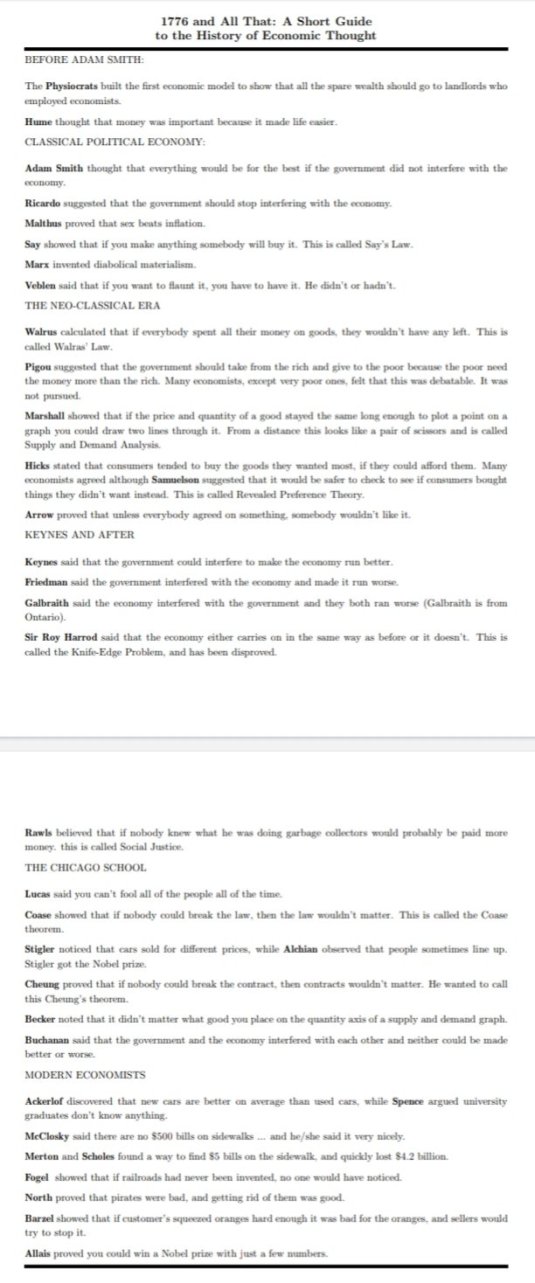
Good summary
25 Jun 2020 Leave a comment
in Adam Smith, Alfred Marshall, applied price theory, applied welfare economics, Armen Alchian, Austrian economics, comparative institutional analysis, constitutional political economy, economic history, economics of crime, economics of regulation, history of economic thought, industrial organisation, James Buchanan, James Buchanan, labour economics, law and economics, Marxist economics, Milton Friedman, property rights, Public Choice, Rawls and Nozick, Robert E. Lucas, Ronald Coase, Ronald Coase, theory of the firm

 Utopia, you are standing in it!
Recent Comments