It’s time to pick up my recent thread of posts on the minimum wage (most recently in this post). I want to return for a moment to more conventional research on the minimum wage, specifically looking at the effects of higher minimum wages on employment. The majority of minimum wage research has focused on estimating…
15 years of US research on the minimum wage elasticity of employment
15 years of US research on the minimum wage elasticity of employment
04 Mar 2025 Leave a comment
in applied price theory, econometerics, economic history, economics of regulation, labour economics, labour supply, minimum wage, poverty and inequality
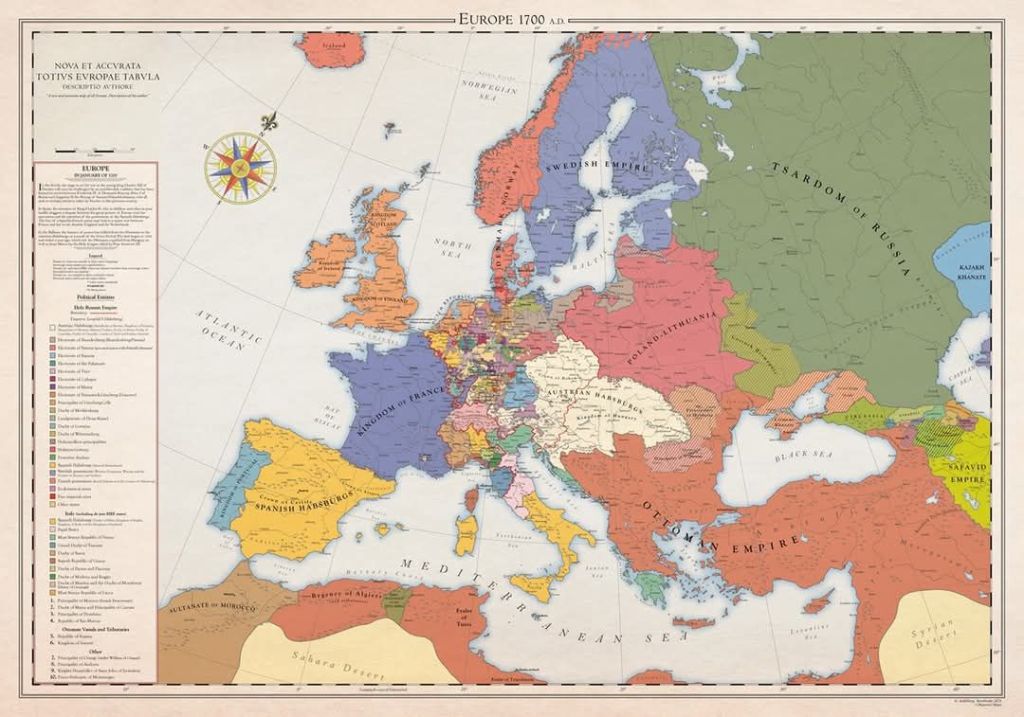
1700
02 Mar 2025 Leave a comment
in economic history, International law Tags: economics of borders, maps
Forty years of floating
01 Mar 2025 Leave a comment
in budget deficits, business cycles, economic growth, economic history, Euro crisis, global financial crisis (GFC), great recession, history of economic thought, inflation targeting, macroeconomics, monetary economics Tags: floating exchange rates

Last year there was an interesting new book out, made up of 29 collected short papers by (more or less) prominent economists given at a 2023 conference to mark Floating Exchange Rates at Fifty. The fifty years related to the transition back to generalised floating of the major developed world currencies in 1973 (think USD, […]
Forty years of floating
Does the Feldstein-Horioka Puzzle mean National’s Foreign Investment Ambitions Won’t Raise NZ Productivity?
26 Feb 2025 Leave a comment
in applied price theory, econometerics, economic history, financial economics, history of economic thought, international economics, macroeconomics, politics - New Zealand Tags: foreign investment
The NZ Herald’s Editor has declared its journalists will be promoted or fired on the basis of factors like how many clicks they get on their articles. Yes, the Herald is now officially “click bait”. We’re trying to avoid the mistake of writing shallow nonsense at this Blog. So on that note, here’s a somewhat…
Does the Feldstein-Horioka Puzzle mean National’s Foreign Investment Ambitions Won’t Raise NZ Productivity?
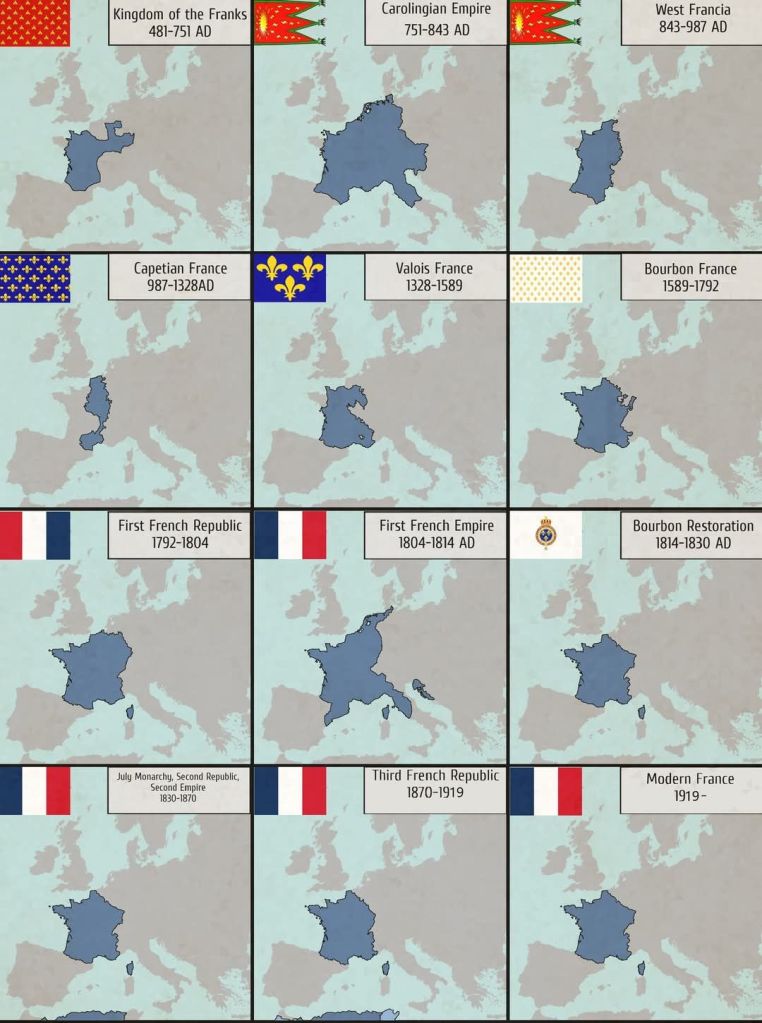
France
26 Feb 2025 Leave a comment
in economic history, International law Tags: economics of borders, France, maps
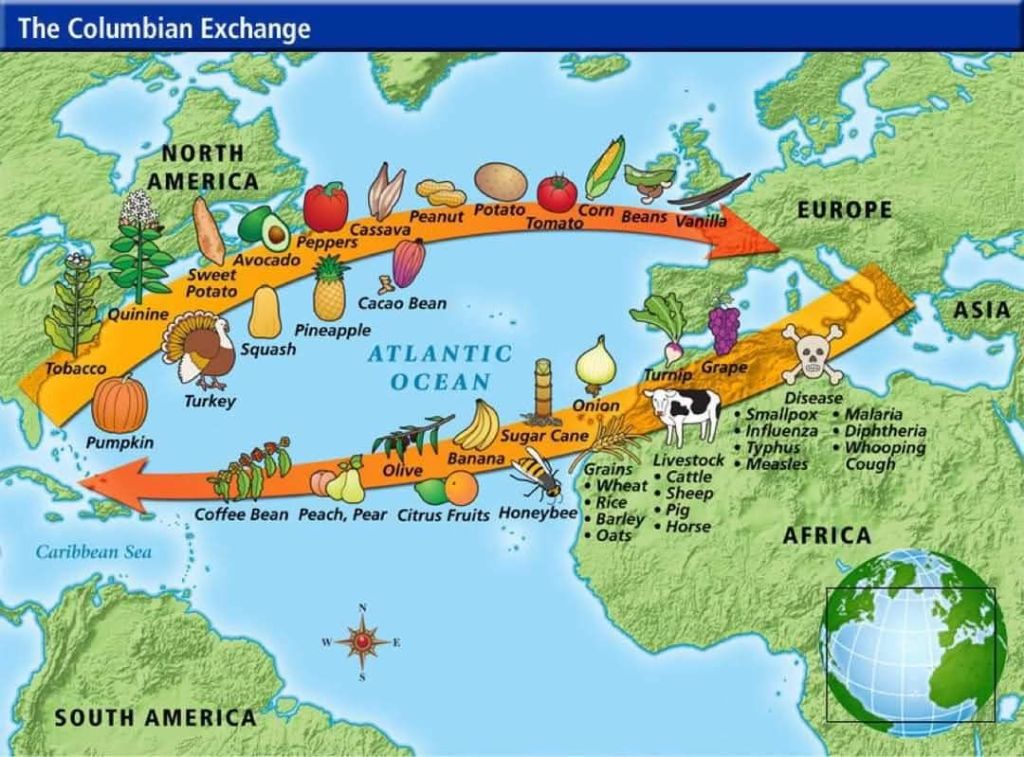
Trade
25 Feb 2025 Leave a comment
in development economics, economic history Tags: age of empires, economics of colonialism
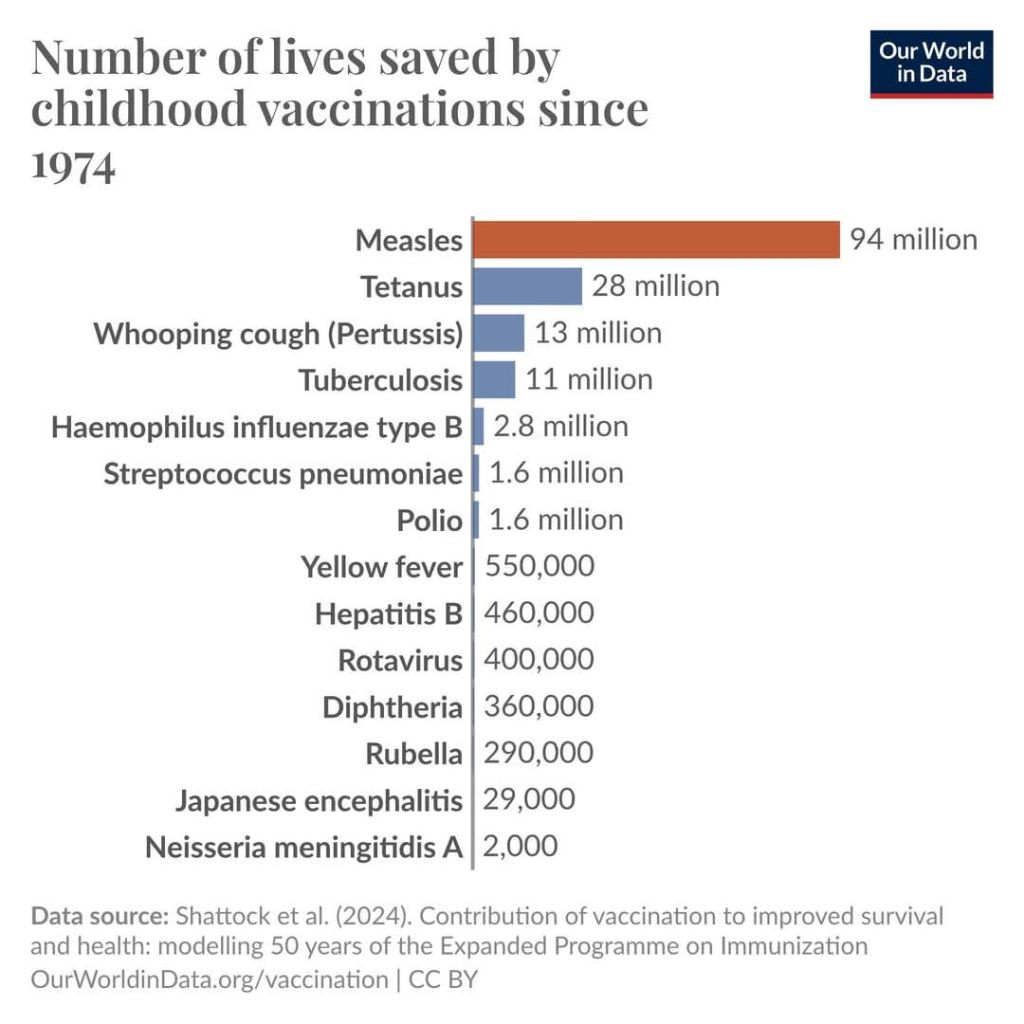
The Great Escape
24 Feb 2025 Leave a comment
in development economics, economic history, health economics Tags: anti-vaccination movement, The Great Escape, vaccines
Should they be returned?
24 Feb 2025 Leave a comment
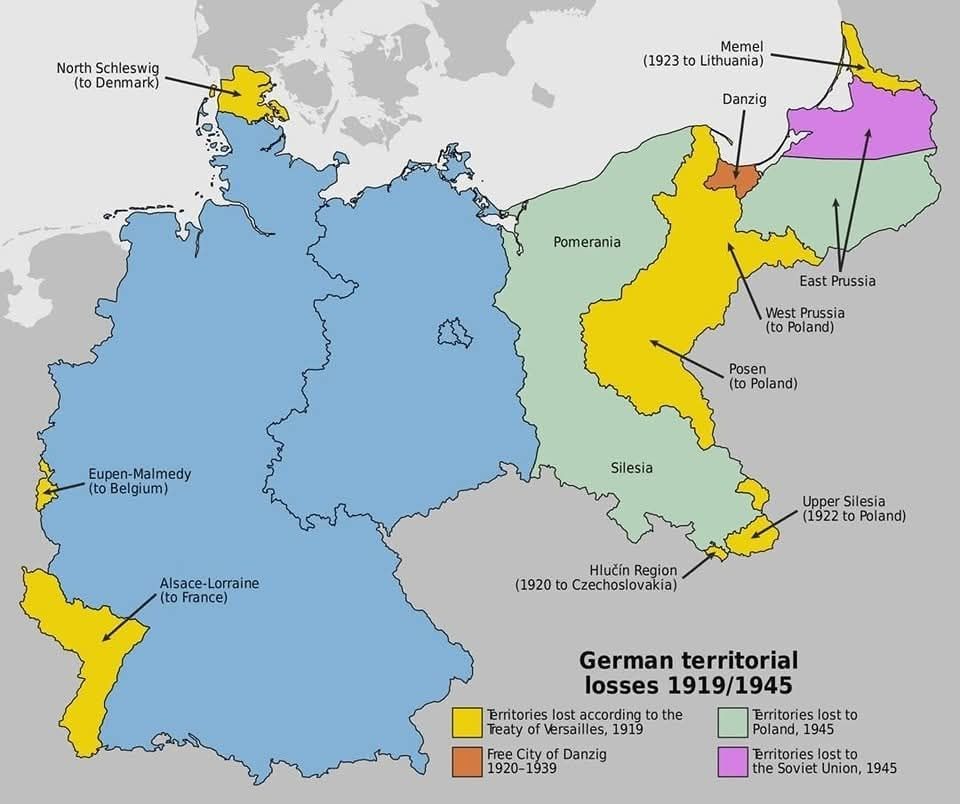
in defence economics, economic history, International law, war and peace Tags: economics of borders, maps, Nazi Germany, World War I, World War II
The Great Escape
22 Feb 2025 Leave a comment
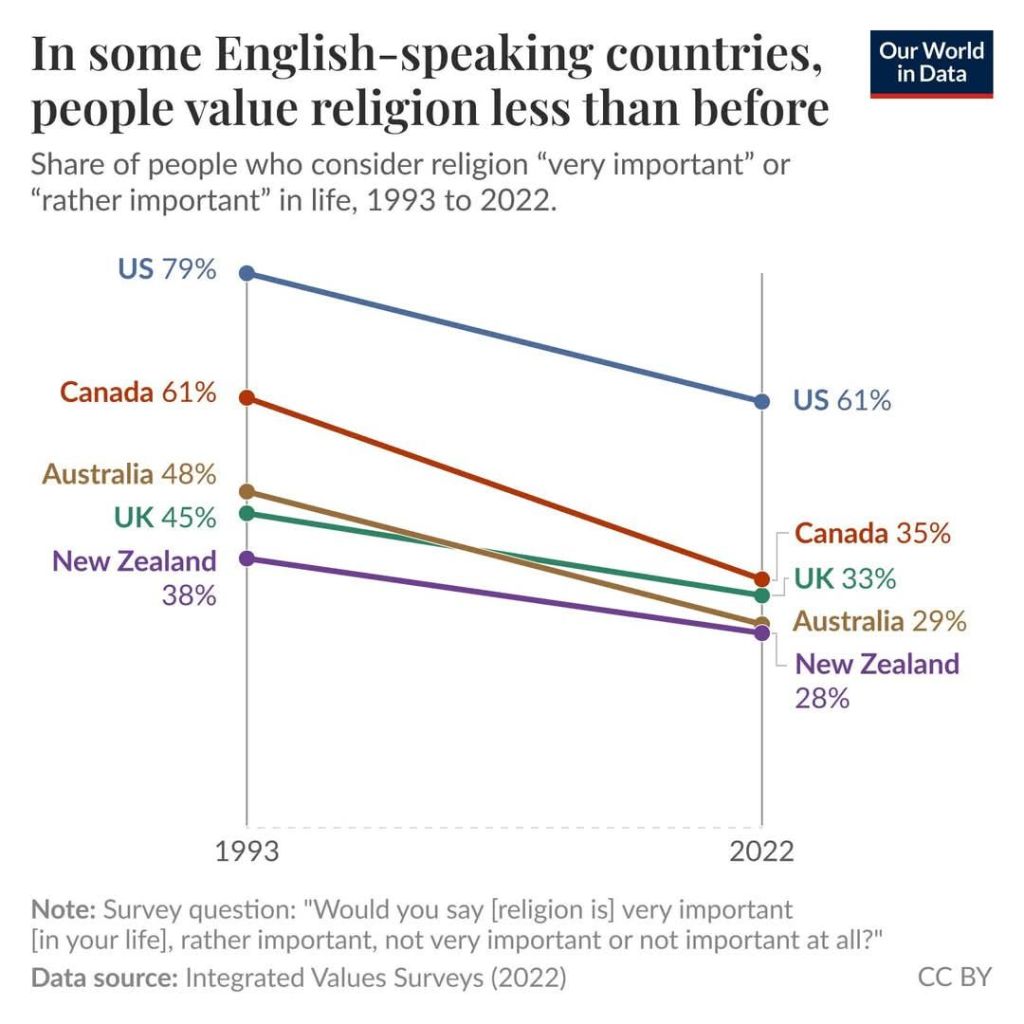
in development economics, economic history, growth disasters, health economics Tags: child mortality, infant mortality, The Great Escape
The Great Escape
22 Feb 2025 Leave a comment
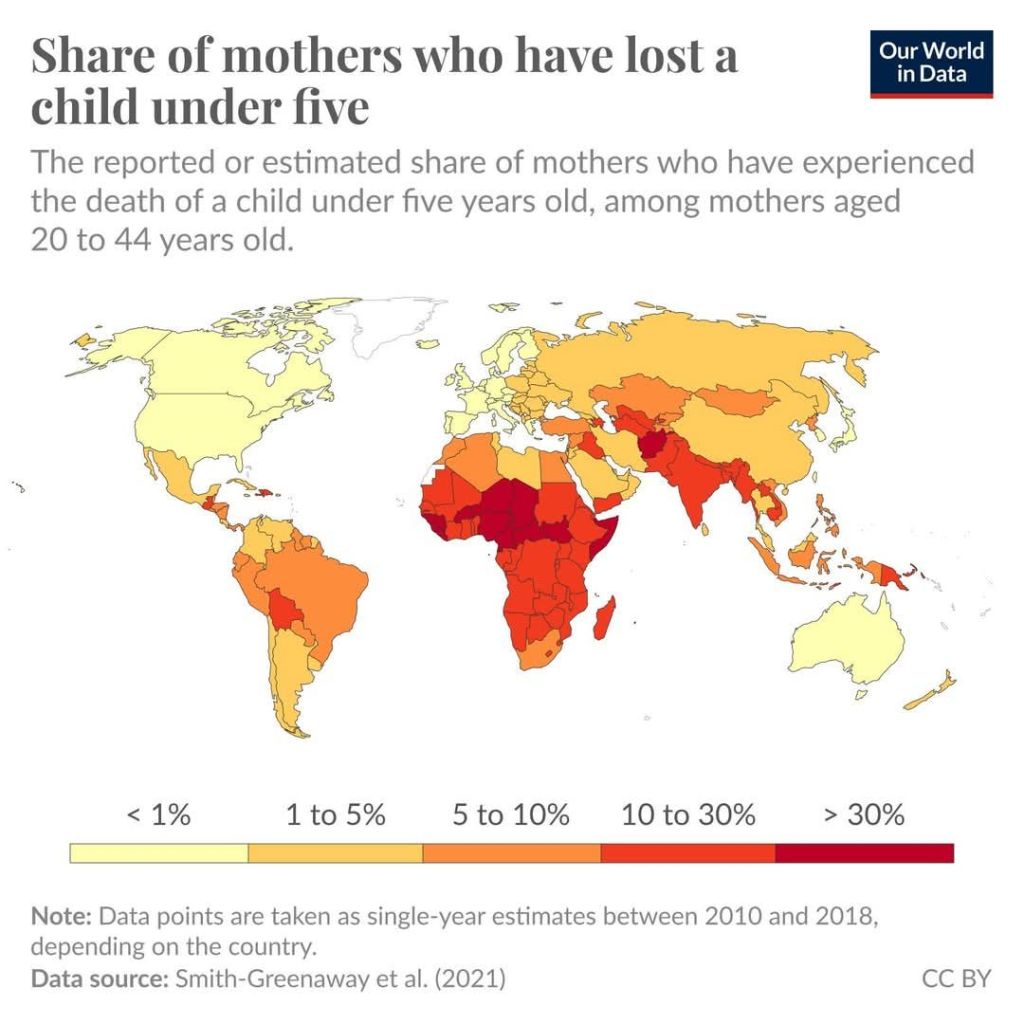
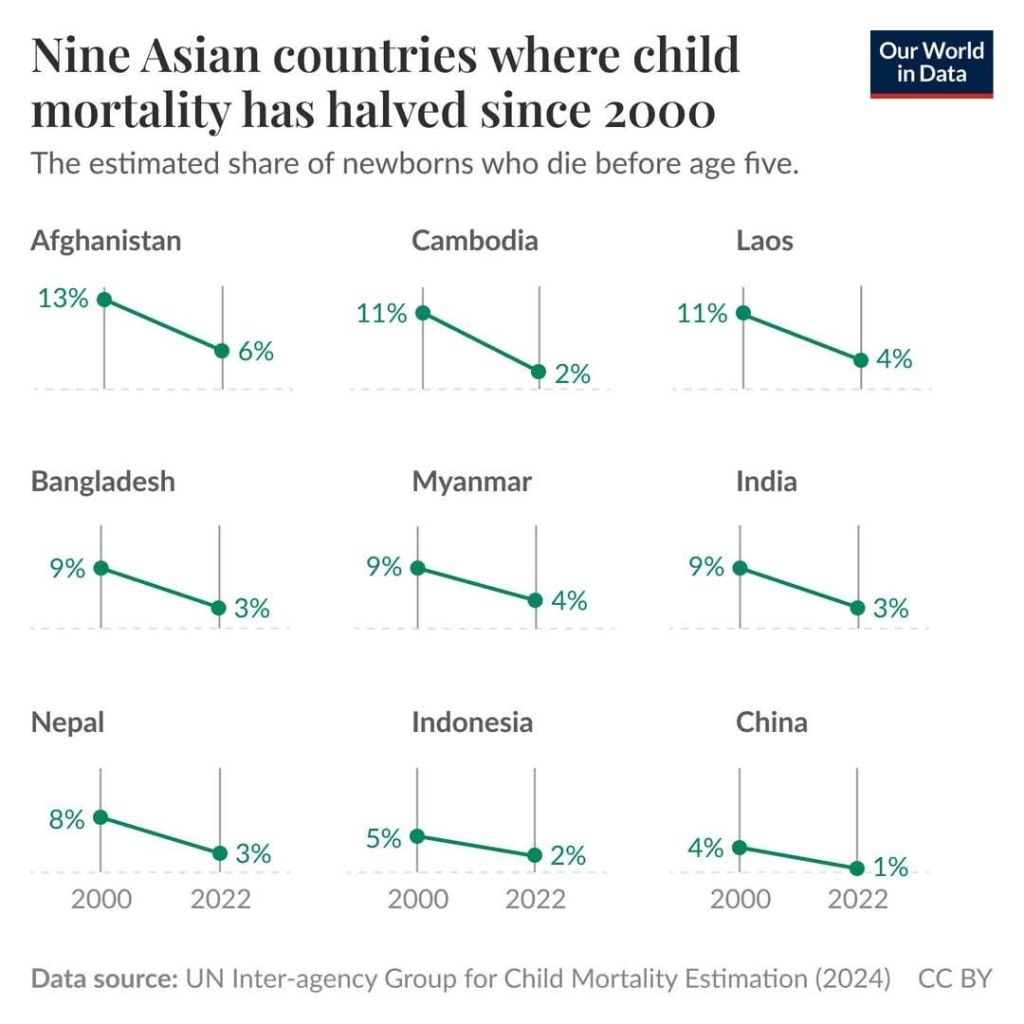
in development economics, economic history, health economics Tags: child mortality, infant mortality, The Great Escape
Effects of the minimum wage on the nonprofit sector
19 Feb 2025 Leave a comment
in applied price theory, econometerics, economic history, labour economics, labour supply, minimum wage
After a few days of ‘rest’ (by which I really mean some intensely long work days), I’m going to pick up again on my recent series of posts about the minimum wage (see here for the most recent post), but returning to more familiar ground – the disemployment effects of the minimum wage. The story…
Effects of the minimum wage on the nonprofit sector
Another Great Escape
16 Feb 2025 Leave a comment
in development economics, economic history, health economics Tags: The Great Escape
New Study: Today’s Climate Models ‘Do Not Agree With Reality’ And Thus Their Usefulness Is ‘Doubtful’
15 Feb 2025 Leave a comment
in econometerics, economic history, economics of climate change, energy economics, environmental economics, environmentalism, global warming

Because the current state-of-the-art general circulation models (GCMs) cannot simulate the trends and variances in global precipitation over the last 84 years (1940-2023), their usefulness should be reconsidered. Hydrological processes – ocean circulation, water vapor, clouds – are key components of climate, easily overshadowing the impact of anthropogenic CO2 emissions by a factor of 2,100…
New Study: Today’s Climate Models ‘Do Not Agree With Reality’ And Thus Their Usefulness Is ‘Doubtful’
The Effect of inbreeding of European Monarchs on State Performance
14 Feb 2025 Leave a comment
in development economics, economic history Tags: Europe
We create a novel reign-level data set for European monarchs, covering all major European states between the 10th and 18th centuries. We first document a strong positive relationship between rulers’ cognitive ability and state performance. To address endogeneity issues, we exploit the facts that (i) rulers were appointed according to hereditary succession, independent of their […]
The Effect of European Monarchs on State Performance
 Utopia, you are standing in it!
Recent Comments