Perhaps “both” is the correct answer? The right-wing tendencies are easiest to explain. South Africa is obviously much wealthier than the rest of sub-Saharan Africa, and of course Westerners play a larger role in its history and also in its present. You can put different glosses on that, but a variety of those paths lead […]
Does visiting South Africa make you more right-wing or more left-wing?
Does visiting South Africa make you more right-wing or more left-wing?
19 Jun 2024 Leave a comment
in development economics, economic history, growth disasters Tags: South Africa
Tear Down This Wall!
14 Jun 2024 Leave a comment
in defence economics, economic history, liberalism, Marxist economics, politics - USA Tags: Berlin wall, East Germany, fall of communism

On June 12, 1987, U.S. President Ronald Reagan gave a speech at the Brandenburg Gate in West Berlin, calling for the leader of the Soviet Union, Mikhail Gorbachev, to open the Berlin Wall. He famously said, “Mr. Gorbachev, tear down this wall!” This moment is considered a significant event in the Cold War era, symbolizing […]
Tear Down This Wall!
International Comparisons with a PPP Metric
13 Jun 2024 Leave a comment
in applied price theory, development economics, economic growth, economic history, growth miracles, macroeconomics Tags: China, India

If you are someone from a high-income country, or even just a high-income city, and you travel to other places, you are familiar with finding that, at least sometimes, many items are considerably cheaper in the low-income country: food and meals, entertainment and even health care. As a result, $100 of buying power in the…
International Comparisons with a PPP Metric
Caught out! The NZ Initiative’s Article in the Herald Blaming the RBNZ for our Rip-Off Big Banks is Contradicted by its Own Expert Witness. (Willis Beware).
12 Jun 2024 Leave a comment
in applied price theory, applied welfare economics, business cycles, economic history, economics of bureaucracy, financial economics, macroeconomics, monetary economics, politics - New Zealand, Public Choice
When it comes to the question of how best to avoid a banking collapse and multi-billion dollar bailout that can drag a whole nation into depression, the best solution, according to Chicago-Stanford economist, John Cochrane, is to require banks to set aside a fraction of their own funds as reserves to cover losses they may…
Caught out! The NZ Initiative’s Article in the Herald Blaming the RBNZ for our Rip-Off Big Banks is Contradicted by its Own Expert Witness. (Willis Beware).
Monetary Policy and the Great Crash of 1929: A Bursting Bubble or Collapsing Fundamentals?
11 Jun 2024 Leave a comment
in business cycles, economic growth, economic history, great depression, history of economic thought, macroeconomics, monetarism, monetary economics Tags: monetary policy
By Timothy Cogley. He was then at the Federal Reserve Bank of San Francisco (1999). He is now at New York University. “In recent years, a number of economists have expressed concern that the stock market is overvalued. Some have compared the situation with the 1920s, warning that the market may be headed for a…
Monetary Policy and the Great Crash of 1929: A Bursting Bubble or Collapsing Fundamentals?
Leftists Against Growth: Honest, but Wrong
10 Jun 2024 Leave a comment
in comparative institutional analysis, constitutional political economy, development economics, economic growth, economic history, macroeconomics Tags: constitutional law
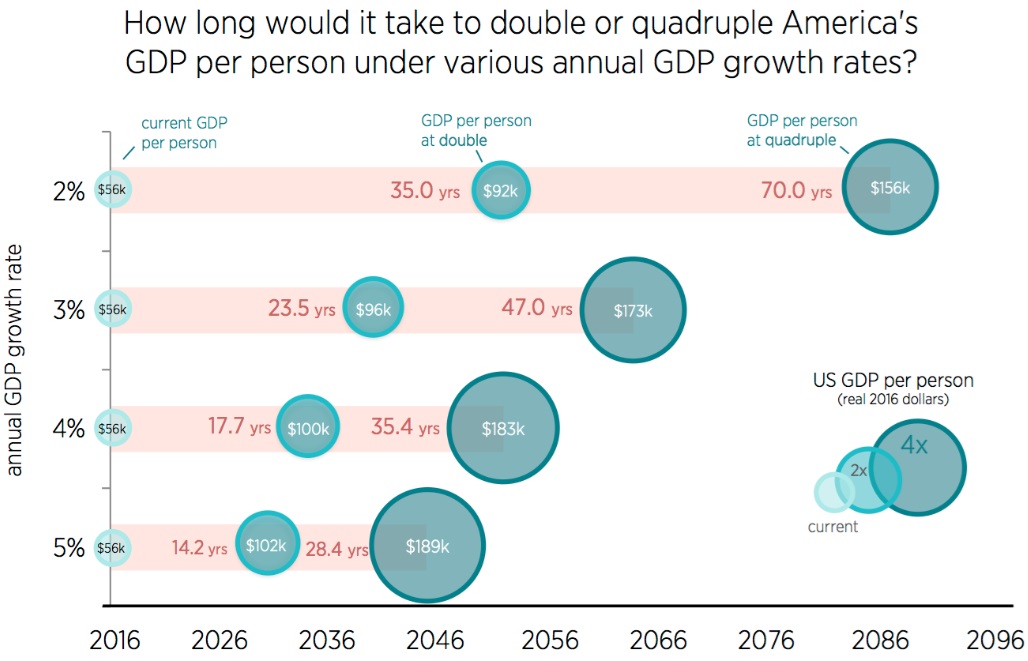
Just as trend lines are important for fiscal policy, they are perhaps even more important when looking at economic performance. Even small difference in annual growth rates, for instance, can lead to big changes in prosperity within a couple of decades. And enormous changes over longer periods of time. All of which explains why I’m […]
Leftists Against Growth: Honest, but Wrong
On electing gangsters
10 Jun 2024 Leave a comment
in comparative institutional analysis, development economics, economic history, economics of bureaucracy, economics of crime, growth disasters, growth miracles, income redistribution, law and economics, Public Choice, rentseeking Tags: economics of corruption, India
In India it’s common for politicians to have criminal cases against them. Why do voters vote for criminals? One compelling explanation provided by political scientist Milan Vaishnav is that voters often care less about their represntative’s ability to deliver broad-based development or draft good laws, and more about the effectiveness at helping them access limited […]
Haan, goonda hai, magar hamara goonda hai
The 5 beaches on D-Day and how far they advanced by the end of the first day.
07 Jun 2024 Leave a comment
in defence economics, economic history, war and peace Tags: D-Day, World War II

D-day’s secret weapon: How wetland science stopped Normandy landings from getting bogged down
06 Jun 2024 Leave a comment
in defence economics, economic history, war and peace Tags: D-Day, Roman empire, World War II

Beneath the roar of gunfire and the chaos of D-day, an unlikely hero played a vital role—wetland science, says Christian Dunn (via Phys.org). Often overlooked amid military strategies and troop movements, the study of mud proved critical to the success of the largest amphibious invasion in history. Much has been written about the events of […]
D-day’s secret weapon: How wetland science stopped Normandy landings from getting bogged down
Did the British Empire REALLY Drive the Industrial Revolution? IEA Debates
06 Jun 2024 Leave a comment
in applied price theory, comparative institutional analysis, constitutional political economy, economic history, economics of bureaucracy, growth disasters, growth miracles, income redistribution, Public Choice, rentseeking Tags: Age of Discovery, age of empires, economics of colonialism
The Claim ‘Exxon Knew’ Their Products Induced ‘Catastrophic Climate Impacts’ In The 1970s Is Bunk
05 Jun 2024 Leave a comment
in economic history, energy economics, environmental economics, global warming Tags: climate alarmism
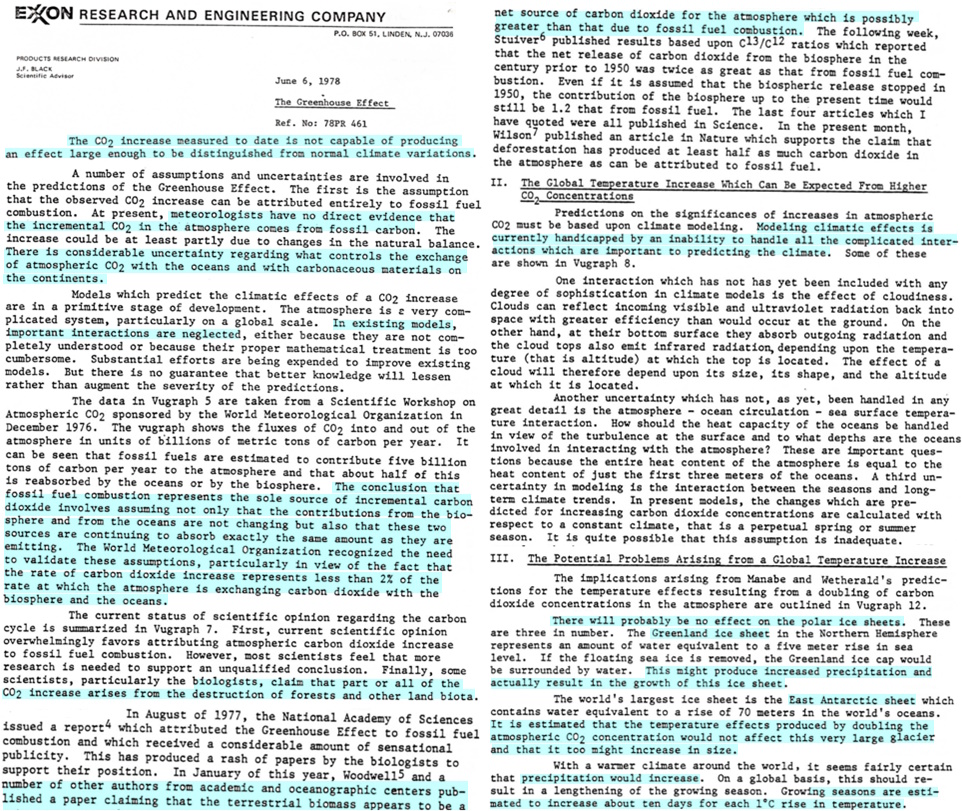
In the 1970s and 1980s ExxonMobil did not know that their reports would be so wrongly misinterpreted in the 2010s. Since 2015, when “investigative journalists” uncovered reports written in the late 1970s by ExxonMobil’s Science Advisor J.P. Black, it has been a common talking point in alarmist circles to insist that “Exxon Knew” about the…
The Claim ‘Exxon Knew’ Their Products Induced ‘Catastrophic Climate Impacts’ In The 1970s Is Bunk
The 2024 Hayek Lecture: Phil Gramm & John Early on “The Myth of American…
04 Jun 2024 Leave a comment
in applied price theory, applied welfare economics, economic history, economics of education, entrepreneurship, human capital, labour economics, labour supply, occupational choice, politics - USA, poverty and inequality
Bailouts Forever
02 Jun 2024 Leave a comment
in business cycles, economic history, financial economics, global financial crisis (GFC), macroeconomics, monetary economics, politics - USA Tags: deposit insurance
When interest rates rise, the price of long-term assets falls. Consequently, when the Fed began raising interest rates in 2022, the value of bonds and mortgages dropped, causing significant accounting losses for banks heavily invested in these assets. Silicon Valley Bank went bust, for example, because depositors fled upon realizing it was holding lots of […]
Bailouts Forever
Has Worker Pay Kept Up with Productivity Growth?
02 Jun 2024 Leave a comment
in applied price theory, econometerics, economic history, human capital, labour economics, labour supply, poverty and inequality

You will be astonished, gentle reader, to learn that the question of whether worker pay has kept up with productivity growth turns out to depend on 1) how you measure worker pay; and 2) how you measure productivity growth. Scott Winship considers the alternatives and issues in “Understanding Trends in Worker Pay over the Past…
Has Worker Pay Kept Up with Productivity Growth?
 Utopia, you are standing in it!
Recent Comments