Energy use versus pollution levels
06 Mar 2015 Leave a comment
in development economics, economic history, energy economics, environmental economics, growth miracles Tags: air pollution, capitalism and freedom, The Great Escape
The gender wage gap emerges when women start to become mothers
05 Mar 2015 Leave a comment
in discrimination, economic history, gender, labour economics, labour supply, politics - USA

Source: whitehouse.gov
Moondoggle: The Forgotten Opposition to the Apollo Program – The Atlantic
05 Mar 2015 Leave a comment
in applied welfare economics, defence economics, economic history, politics - USA Tags: industry policy, picking winners, R&D, smart industry policy, space programme

…many people believe that Project Apollo was popular, probably because it garnered significant media attention, but the polls do not support a contention that Americans embraced the lunar landing mission.
Consistently throughout the 1960s a majority of Americans did not believe Apollo was worth the cost, with the one exception to this a poll taken at the time of the Apollo 11 lunar landing in July 1969.
And consistently throughout the decade 45-60 percent of Americans believed that the government was spending too much onspace, indicative of a lack of commitment to the spaceflight agenda. These data do not support a contention that most people approved of Apollo and thought it important to explore space.
HT: Moondoggle: The Forgotten Opposition to the Apollo Program – The Atlantic.
Creative destruction and what remains of the legacy mass media
05 Mar 2015 Leave a comment
in economic history, economics of media and culture, industrial organisation, survivor principle Tags: creative destruction, Google, legacy media

HT: zerohedge.com
Back when Amazon One-Click would have required an import licence every time you used it
03 Mar 2015 Leave a comment
in economic history, economics of regulation, international economics, politics - New Zealand
Wilful ignorance is at its best when criticising the post-1984 economic reforms in New Zealand. Critics can’t be bothered, don’t want to know or pretend they don’t know how heavily regulated the New Zealand economy was up until 1984.

An example is the use of Amazon One-Click which everyone takes for granted. Back in 1984 it would have required an import licence:
To send money overseas you bought money orders from the Post Office. Above a certain amount “about $5 a day” you applied to the Reserve Bank. Same for international magazines – you filled out a form, sent it to the Reserve Bank, and got permission from Nanny to send funds offshore
Of course, when in our intrepid left-wing reactionaries hear of this, they would say that they would agree that that is a bit too much and that regulation should have been repealed. That just makes them Roger Douglas lite!
What else do they want to not bring back: give Telecom back its monopoly; marginal tax rates will go back to 66 per cent, kicking in at $30,000? All shops must close of the weekends?
Importing consumer goods generally required a licence prior to the economic reforms of the labour government that was elected in 1984. In addition, up until 1984, a wide range of goods had quotas that restricted how much could be imported in any one year.
Alan Gibbs recently told a story about every time his tractor company wanted to import a tractor, he needed a new import licence and his competitors could object to the issue of that licence! Nowadays, they would use the Resource Management Act resource consenting process to object to competitors when they try and expanded their business.
David Friedman on global warming, population and problems with the externality argument
02 Mar 2015 Leave a comment
in applied price theory, applied welfare economics, comparative institutional analysis, constitutional political economy, David Friedman, economic history, economics of information, economics of regulation, environmental economics, environmentalism, global warming, law and economics, population economics, property rights Tags: climate alarmism, competition as a discovery procedure, David Friedman, externalities, global warming, population bomb, The fatal conceit, The pretence to knowledge
What is the survival rate of new small businesses?
02 Mar 2015 Leave a comment
in economic history, entrepreneurship, survivor principle
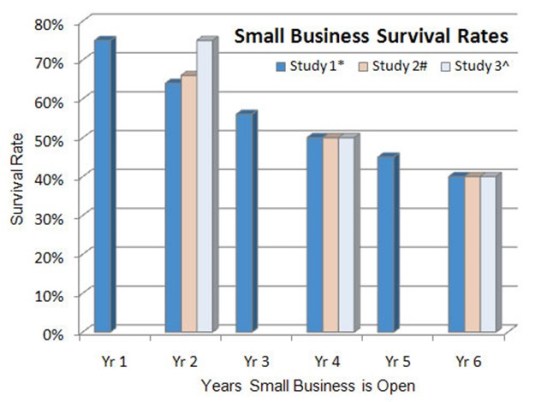

HT: Do nine out of 10 new businesses fail, as Rand Paul claims? – The Washington Post.
For venture capital start-ups, about three or 4 out of 10 fail; three or 4 out of 10 return the original investment, with the rest offering a substantial profit.
At Last Count: Global status of GMO crops | Genetic Literacy Project
02 Mar 2015 Leave a comment
in economic history, economics of media and culture, health economics, politics - Australia, politics - New Zealand, politics - USA, technological progress Tags: Anti-Science left, GMOs

Markets have a history of rewarding investors for the capital they supply
02 Mar 2015 Leave a comment
in economic history, financial economics
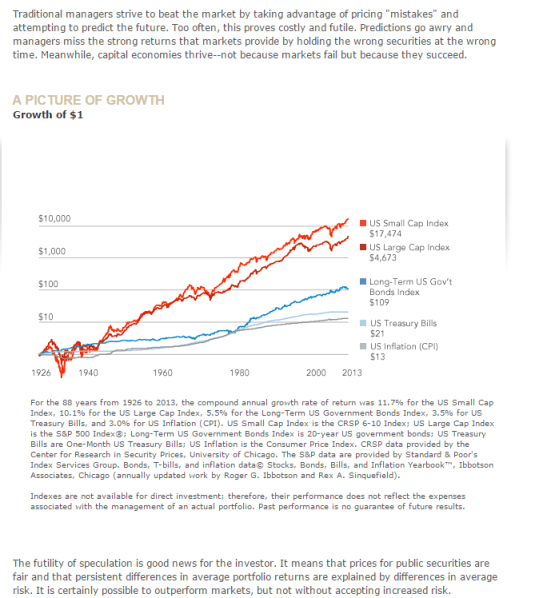
HT: Markets Work.


Recent Comments