The Labour Government lost the 2023 election when its support halved from 2020. It deserved to lose on economic grounds alone. Covid lockdowns that went beyond the prudent and wrecked livelihoods in the name of saving lives; an orgy of careless spending of borrowed money; and a failure to ensure that the 16,000 extra bureaucrats…
MICHAEL BASSETT: LABOUR’S CRIME LEGACY OF THE LAST THREE YEARS
MICHAEL BASSETT: LABOUR’S CRIME LEGACY OF THE LAST THREE YEARS
31 Mar 2024 Leave a comment
in economic history, economics of education, labour economics, politics - New Zealand Tags: Age of Enlightenment, free speech, political correctness, regressive left
Productivity Syndrome and the Investment Prescription
30 Mar 2024 Leave a comment
in applied price theory, development economics, economic growth, economic history, growth miracles, history of economic thought, human capital, industrial organisation, labour economics, labour supply, macroeconomics

Economic productivity is about growing the size of the pie. I sometimes point out that no matter what your goal–spending increases, tax cuts, greater support for the poor, environmental protection–that goal is easier when the economic pie is growing. When the economic pie isn’t growing, after all, then all priorities have to pit potential winners…
Productivity Syndrome and the Investment Prescription
Q&A: Allis and Ronald Radosh
27 Mar 2024 Leave a comment
in defence economics, economic history, International law, politics - USA Tags: Israel
NZ’s problem is too much spending, not a lack of tax
26 Mar 2024 Leave a comment
in budget deficits, economic history, fiscal policy, macroeconomics, politics - New Zealand, public economics
Labour and Greens in 2017 campaigned on capping core crown expenditure at no more than 30% of GDP. This was their election pledge. At one Budget I asked Grant Robertson about the policy and he (admirably) replied it was a limit, not a target. The latest forecast had expenditure at 33.4% of GDP. That 3.4% […]
NZ’s problem is too much spending, not a lack of tax
ROGER PARTRIDGE: HOW TO REIN IN AN ACTIVIST SUPREME COURT
22 Mar 2024 Leave a comment
in comparative institutional analysis, constitutional political economy, economic history, economics of bureaucracy, law and economics, liberalism, Marxist economics, politics - New Zealand, property rights, Public Choice Tags: constitutional law, rule of law
My earlier column this month, New Zealand’s highest court could be facing a turning point, prompted a flood of feedback from business readers and lawyers alike. A common query was what Parliament can do to restrain an overreaching judiciary. This week I discuss two steps Parliament should not hesitate to take. But first a quick recap. The…
ROGER PARTRIDGE: HOW TO REIN IN AN ACTIVIST SUPREME COURT
100 Years of Rent Control in Sweden
17 Mar 2024 Leave a comment
in applied price theory, economic history, economics of bureaucracy, economics of regulation, history of economic thought, income redistribution, law and economics, property rights, Public Choice, public economics, rentseeking, urban economics Tags: rent control, Sweden
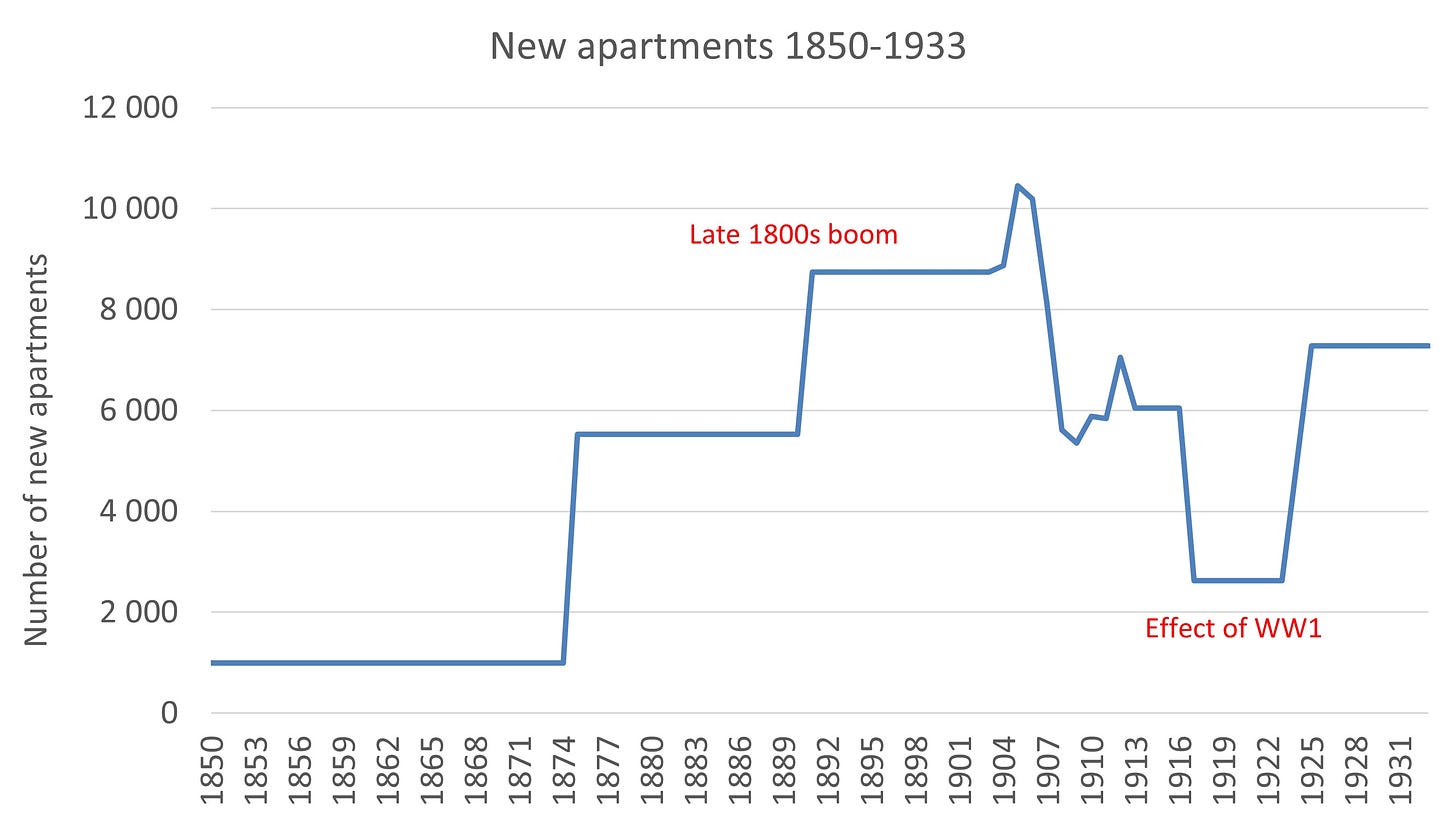
Bet On It reader Vanja Månborg knows a lot about rent control in Sweden. If you think Sweden is a country of thoughtful technocrats where government intervention works well, reading his guest post may make you think again. Here’s Vanja:Sweden has had rent control regulations since 1917 with less than two decades of pause between…
100 Years of Rent Control in Sweden
The Tsar Abdicates – Baghdad Falls I THE GREAT WAR Week 138
16 Mar 2024 Leave a comment
in defence economics, economic history, economics of bureaucracy, income redistribution, law and economics, liberalism, Marxist economics, Public Choice, public economics, rentseeking, war and peace Tags: Russian revolution, World War I
An Open Letter to Nobel-laureate Economist Angus Deaton
13 Mar 2024 Leave a comment
in applied price theory, applied welfare economics, Austrian economics, comparative institutional analysis, economic history, entrepreneurship, history of economic thought, income redistribution, international economics, labour economics, labour supply, poverty and inequality, Public Choice, rentseeking, survivor principle, unemployment Tags: creative destruction, free trade, tariffs
TweetProf. Angus Deaton Princeton University Prof. Deaton: Over the years I’ve learned much from your writings, and I regard your 2013 The Great Escape as one of the most important books published in the past 15 years. So I was quite surprised and disappointed to read that you, as you say, are now “much more…
An Open Letter to Nobel-laureate Economist Angus Deaton
The RCT Agenda
12 Mar 2024 Leave a comment
in applied price theory, applied welfare economics, comparative institutional analysis, development economics, econometerics, economic history, economics of bureaucracy, economics of education, economics of information, economics of regulation, experimental economics, growth disasters, growth miracles, history of economic thought, human capital, labour economics, labour supply, law and economics, managerial economics, market efficiency, Marxist economics, occupational choice, organisational economics, property rights, Public Choice, public economics Tags: The fatal conceit

Randomized Controlled Trials: Could you be any more scientific? The book I’m now writing, Unbeatable: The Brutally Honest Case for Free Markets, insists that the randomistas of the economics profession actually have a thinly-veiled political agenda. Namely: To get economists to humbly serve the demagogues that rule the world instead of bluntly challenging their unabated…
The RCT Agenda
Reading deal – rare media bouquet
11 Mar 2024 1 Comment
in applied price theory, economic history, economics of bureaucracy, economics of media and culture, income redistribution, industrial organisation, law and economics, market efficiency, movies, politics - New Zealand, property rights, Public Choice, public economics, rentseeking, survivor principle, theory of the firm, urban economics Tags: Wellington
Both Matt Nippert of the NZ Herald and Tom Hunt of The Post deserve a bouquet for their analyses of the truly remarkable deal between the Wellington City Council (WCC) and the troubled American Cinema company Reading. For this who don’t know, Reading owns a large (more than 14, 000 square metres or 1.4 hectares) […]
Reading deal – rare media bouquet
Not Bridgeable
10 Mar 2024 Leave a comment
in comparative institutional analysis, discrimination, economic history, economics of crime, economics of education, economics of love and marriage, gender, income redistribution, labour economics, law and economics, liberalism, Marxist economics, politics - USA, Public Choice Tags: 2024 presidential election, free speech, political correctness, regressive left

In the last few years, especially after I started writing for this blog, I got more than a few comments about the need for bi-partisanship, not hating out ideological, let alone political opponents. What was notable about this was that they all came from the Right of the political spectrum. The Left seem quite happy […]
Not Bridgeable
TV layoffs not a threat to democracy
10 Mar 2024 Leave a comment
in applied price theory, economic history, economics of bureaucracy, economics of information, economics of media and culture, economics of regulation, entrepreneurship, income redistribution, industrial organisation, managerial economics, market efficiency, organisational economics, personnel economics, politics - New Zealand, Public Choice, public economics, rentseeking, survivor principle, theory of the firm Tags: media bias
A few weeks ago I joined some contemporaries by abandoning the near sixty year habit of watching nightly TV news. I dropped it because I felt it did not give me real information that I had not acquired from other media sources, including some I pay for – The Economist, the NZ Herald, The Atlantic […]
TV layoffs not a threat to democracy
The Russian February Revolution 1917 I THE GREAT WAR Week 137
09 Mar 2024 Leave a comment
in defence economics, economic history, economics of bureaucracy, income redistribution, liberalism, Marxist economics, Public Choice, rentseeking, war and peace Tags: Russian revolution, World War I
The tohunga suppression myth that won’t die
08 Mar 2024 Leave a comment
in economic history, economics of regulation, health economics, liberalism, Marxist economics, politics - New Zealand Tags: Age of Enlightenment, cranks, free speech, political correctness, racial discrimination, regressive left
Graham Adams writes — Jonathan Swift’s observation in 1710 that “Falsehood flies, and the Truth comes limping after it” seems entirely apt for last week’s parliamentary debate on disestablishing the Māori Health Authority. No fewer than three MPs — MPs Cushla Tangaere-Manuel (Labour), Hana-Rawhiti Maipi-Clarke (Te Pāti Māori), and Steve Abel (Greens) — referred to […]
The tohunga suppression myth that won’t die
 Utopia, you are standing in it!
Recent Comments