Screeds have been written about the Treaty of Waitangi. And there’s more to come as division over race and rights ramps up.Its content and meaning are getting lost in the crossfire and the danger of ‘contestants’ talking past each other looms, if not already happening.When matters get murky, and misunderstandings abound, there is also a…
The danger of the Treaty debate wearing us down
The danger of the Treaty debate wearing us down
25 Jan 2024 Leave a comment
in economic history, economics of crime, economics of education, law and economics, liberalism, Marxist economics, politics - New Zealand, property rights Tags: constitutional law
January 22, 1901: Death of Queen Victoria of the United Kingdom and Empress of India
23 Jan 2024 Leave a comment
in economic history Tags: British history
Victoria (Alexandrina Victoria; May 24, 1819 – January 22, 1901) was Queen of the United Kingdom of Great Britain and Ireland from June 20, 1837 until her death. On May 1, 1876, she adopted the additional title of Empress of India. Known as the Victorian era, her reign of 63 years and seven months was […]
January 22, 1901: Death of Queen Victoria of the United Kingdom and Empress of India
Creative destruction
23 Jan 2024 Leave a comment
in economic history, economics of information, entrepreneurship, industrial organisation, survivor principle Tags: creative destruction

📸 Look at this post on Facebook
https://www.facebook.com/share/R7xogU9mejANPGQZ/?mibextid=RXn8sy
Will Milei succeed in Argentina?
22 Jan 2024 Leave a comment
in applied price theory, budget deficits, comparative institutional analysis, development economics, economic growth, economic history, economics of bureaucracy, economics of regulation, fiscal policy, growth disasters, income redistribution, labour economics, liberalism, libertarianism, macroeconomics, Marxist economics, monetary economics, Public Choice, public economics, rentseeking Tags: Argentina
I give him a 30-40% chance, which is perhaps generous because I am rooting for him. Bryan Caplan, who is more optimistic, offers some analysis and estimates that Milei needs to close a fiscal gap of about five percent of gdp. I have two major worries. First, if Milei approaches fiscal success, the opposing parties […]
Will Milei succeed in Argentina?
A boom
22 Jan 2024 Leave a comment
in development economics, economic history, entrepreneurship, financial economics, growth disasters, growth miracles Tags: India
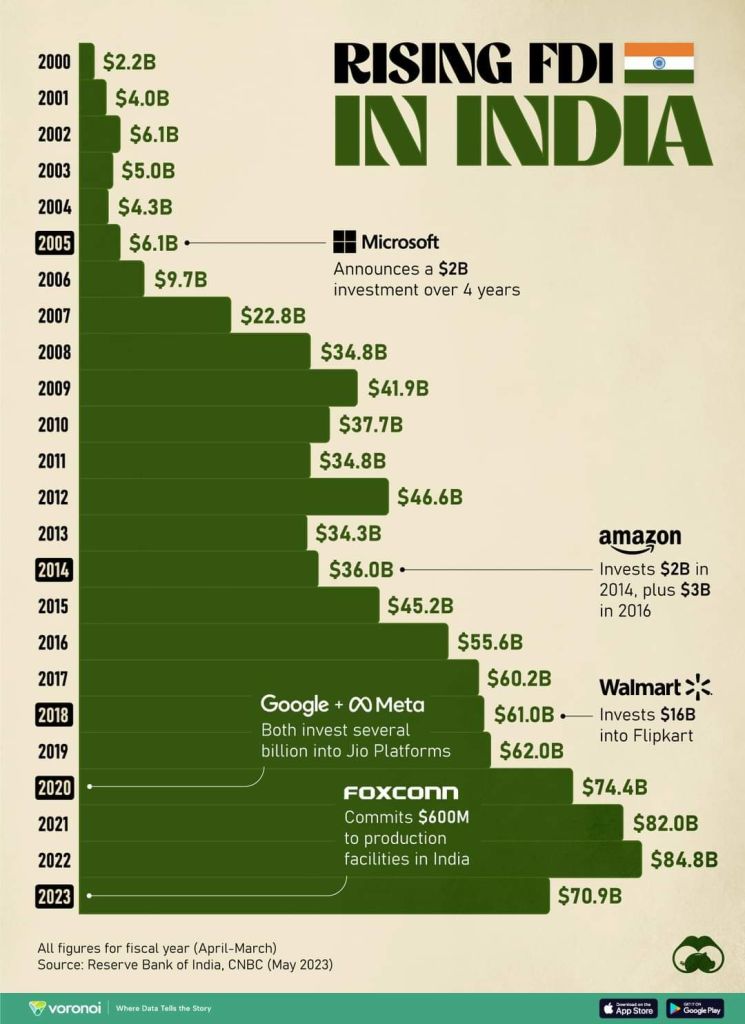
📸 Look at this post on Facebook
https://www.facebook.com/share/utqMWmwSv6CsNYNR/?mibextid=RXn8sy
MICHAEL BASSETT: TV ONE’S BEAT-UP ON THE TREATY AND THE KING’S HUI
21 Jan 2024 Leave a comment
in discrimination, economic history, income redistribution, law and economics, liberalism, Marxist economics, politics - New Zealand, property rights, Public Choice, rentseeking Tags: constitutional law
Last Friday night, TV One’s lead item on the 6pm news was a story by reporter Te Aniwa Hurihanganui. She had scored a leaked piece of advice not yet considered by Cabinet that was intended to warn ministers in the new government that they would run into trouble with Maori if they backed David Seymour’s…
MICHAEL BASSETT: TV ONE’S BEAT-UP ON THE TREATY AND THE KING’S HUI
Milei Speaks Truth to WEF Elite Power
19 Jan 2024 Leave a comment
in applied price theory, Austrian economics, comparative institutional analysis, constitutional political economy, development economics, economic growth, economic history, entrepreneurship, growth disasters, growth miracles, history of economic thought, labour economics, law and economics, macroeconomics, property rights Tags: Argentina

Argentina’s President Javier Milei had a warning for those attending the annual WEF meeting in Davos, Switzerland; ‘the Western world is in danger’ from ‘collectivist experiments’ such as Diversity, Equity and Inclusion (DEI), and has called on the world to reject socialism and instead embrace “free enterprise capitalism” to end global poverty. H/T zerohedge “Today, […]
Milei Speaks Truth to WEF Elite Power
No Such Thing as a Low-Energy Rich Country
18 Jan 2024 Leave a comment
in development economics, economic history, energy economics, environmental economics, global warming

By Paul Homewood Read Trevor Stark’s analysis here.
No Such Thing as a Low-Energy Rich Country
Asia 1227
18 Jan 2024 Leave a comment
in defence economics, economic history, International law Tags: maps

📸 Look at this post on Facebook
https://www.facebook.com/share/p/VhKxkE1wvnpoBnPf/?mibextid=RXn8sy
Unfettered: Fishback 25 Years Later
17 Jan 2024 Leave a comment
in applied price theory, discrimination, economic history, economics of information, economics of regulation, health and safety, history of economic thought, human capital, industrial organisation, international economics, labour economics, labour supply, liberalism, macroeconomics, Marxist economics, minimum wage, occupational choice, occupational regulation, poverty and inequality, unemployment, unions
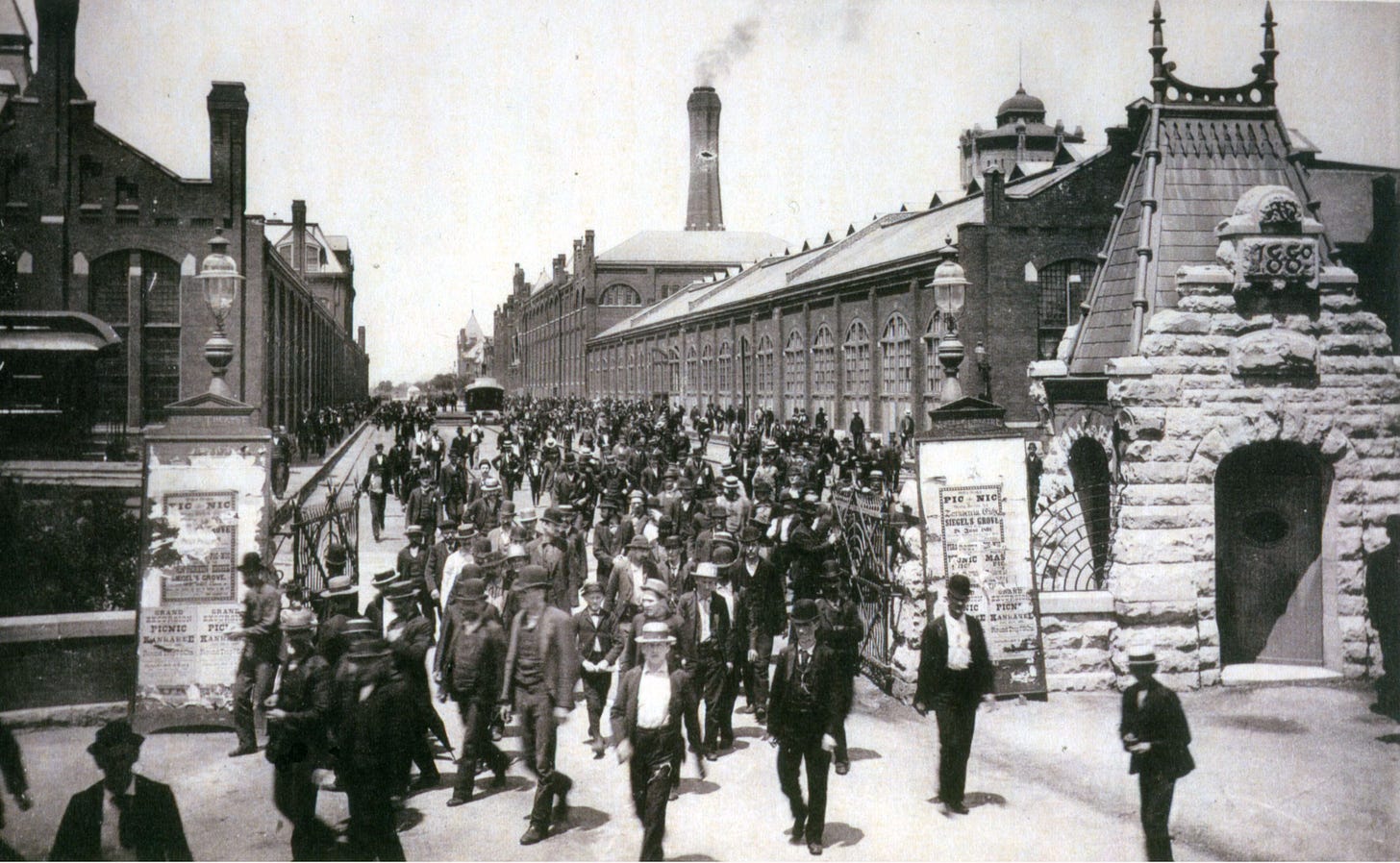
A quarter century ago, economist Price Fishback published “Operations of ‘Unfettered’ Labor Markets: Exit and Voice in American Labor Markets at the Turn of the Century” in the prestigious Journal of Economic Literature. Fishback’s article is packed with insight… and understatement. But let’s back up. Virtually every standard history textbook describes U.S. labor markets before…
Unfettered: Fishback 25 Years Later
A congestion theory of unemployment fluctuations
17 Jan 2024 Leave a comment
in business cycles, econometerics, economic history, history of economic thought, job search and matching, labour economics, labour supply, macroeconomics, monetary economics, unemployment
Yusuf Mercan, Benjamin Schoefer, and Petr Sedláček, newly published in American Economic Journal: Macroeconomics. I best liked this excerpt from p.2, noting that “DMP” refers to the Nobel-winning Diamond-Mortensen-Pissarides search model of unemployment: This congestion mechanism improves the business cycle performance of the DMP model considerably. It raises the volatility of labor market tightness tenfold, […]
A congestion theory of unemployment fluctuations
Deirdre McCloskey: What Is Classical Liberalism? | Robinson’s Podcast #145
17 Jan 2024 Leave a comment
in applied price theory, applied welfare economics, comparative institutional analysis, economic history, economics of climate change, energy economics, environmental economics, global warming, history of economic thought, law and economics, liberalism, libertarianism, Marxist economics, political change, Public Choice, public economics
The population bomb
17 Jan 2024 Leave a comment
in economic history, labour economics, labour supply, population economics Tags: ageing population
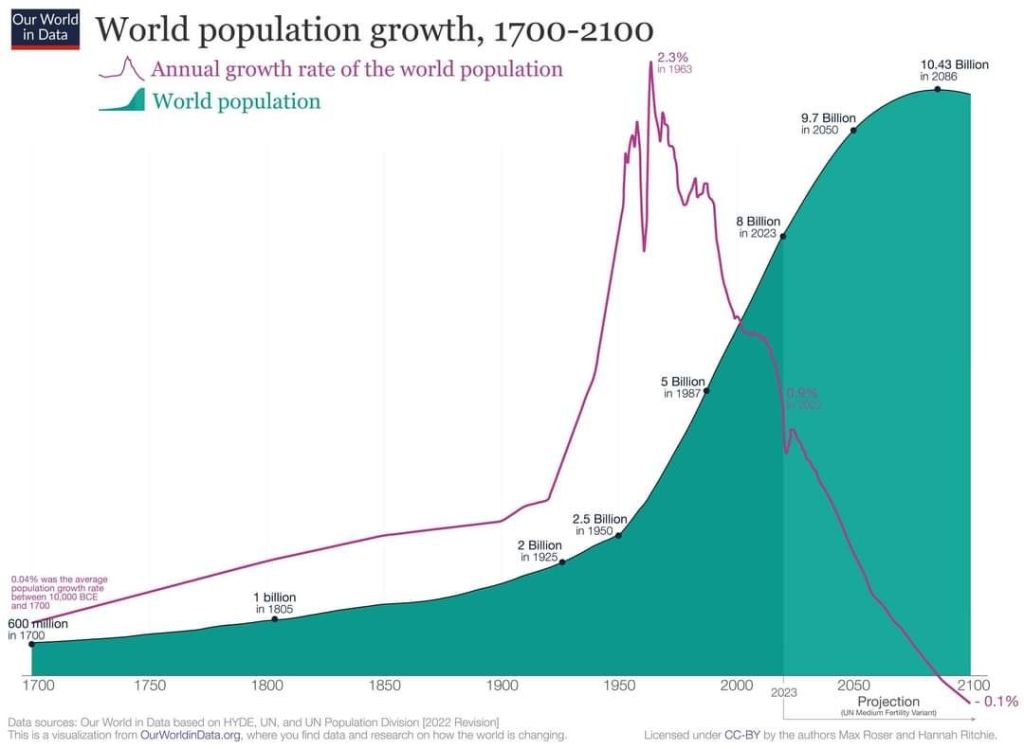
Speaking of ice ages
16 Jan 2024 Leave a comment
in economic history, energy economics, environmental economics, global warming Tags: Arctic ice caps, climate alarmism

📸 Look at this post on Facebook
https://www.facebook.com/share/p/vXKARuwRfcX4Tbvj/?mibextid=RXn8sy
The Right and Wrong Way to Reduce Poverty, Part II
16 Jan 2024 Leave a comment
in applied price theory, economic history, human capital, income redistribution, labour economics, labour supply, occupational choice, politics - USA, poverty and inequality, Public Choice, public economics, welfare reform Tags: child poverty, family poverty
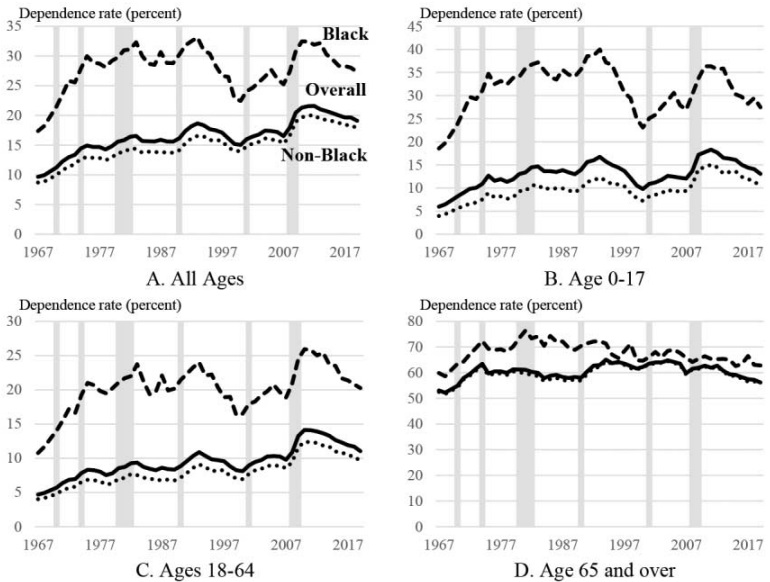
In Part I of this series, I explained that the War on Poverty, launched by Lyndon Johnson and expanded by other profligate presidents, has been bad news for both taxpayers and poor people. More specifically, I shared some academic research showing how it led to a big increase in dependency on government. Let’s expand on […]
The Right and Wrong Way to Reduce Poverty, Part II


Recent Comments