Economic Reform in New Zealand | Ruth Richardson
23 Sep 2020 Leave a comment
in applied price theory, applied welfare economics, comparative institutional analysis, constitutional political economy, economic growth, economic history, economics of bureaucracy, economics of education, economics of regulation, entrepreneurship, financial economics, history of economic thought, human capital, income redistribution, industrial organisation, international economics, labour economics, labour supply, law and economics, macroeconomics, Marxist economics, minimum wage, occupational choice, occupational regulation, politics - New Zealand, poverty and inequality, privatisation, property rights, Public Choice, public economics, rentseeking, survivor principle, unemployment, unions, welfare reform Tags: creative destruction, offsetting behaviour, The fatal conceit, unintended consequences
Why Do You Always Have Room for Dessert?
23 Sep 2020 Leave a comment
in economics of education, health economics Tags: evolutionary psychology
Judge Frank Easterbrook on antitrust law history
23 Sep 2020 Leave a comment
in Adam Smith, applied price theory, applied welfare economics, Austrian economics, comparative institutional analysis, economic history, economics of bureaucracy, economics of crime, economics of education, economics of information, economics of regulation, entrepreneurship, history of economic thought, industrial organisation, law and economics, politics - USA, Public Choice, rentseeking, Richard Posner, Ronald Coase, Ronald Coase, survivor principle Tags: competition and monopoly, competition law, creative destruction, offsetting behaviour, patents and copyright, The fatal conceit, The meaning of competition, unintended consequences
Angus Deaton: Epidemiology, randomised trials, and the search for what works in economic development
20 Sep 2020 Leave a comment
in comparative institutional analysis, development economics, econometerics, economic history, economics of bureaucracy, economics of education, economics of regulation, history of economic thought, labour economics, minimum wage, Public Choice Tags: philosophy of science, The fatal conceit
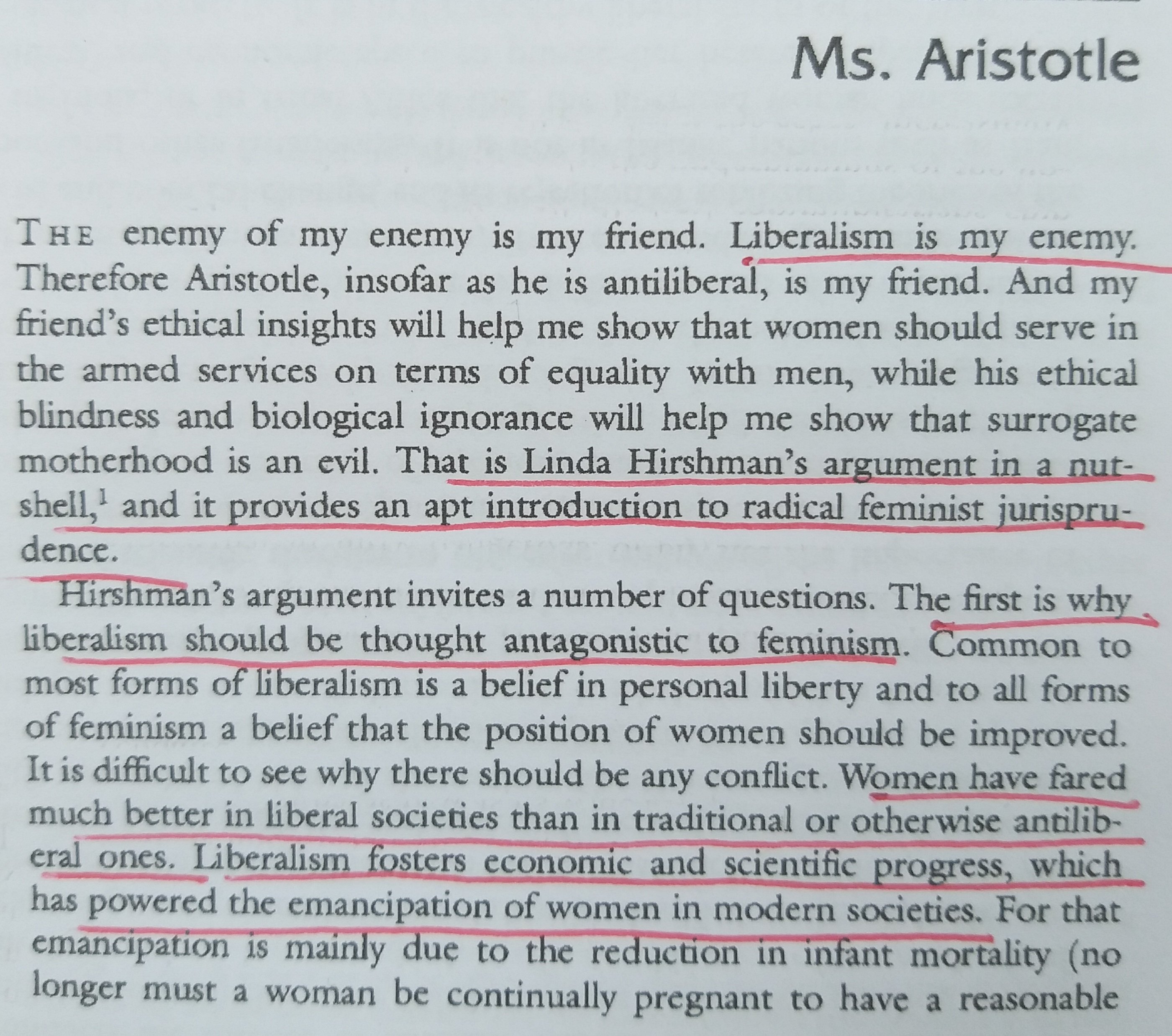
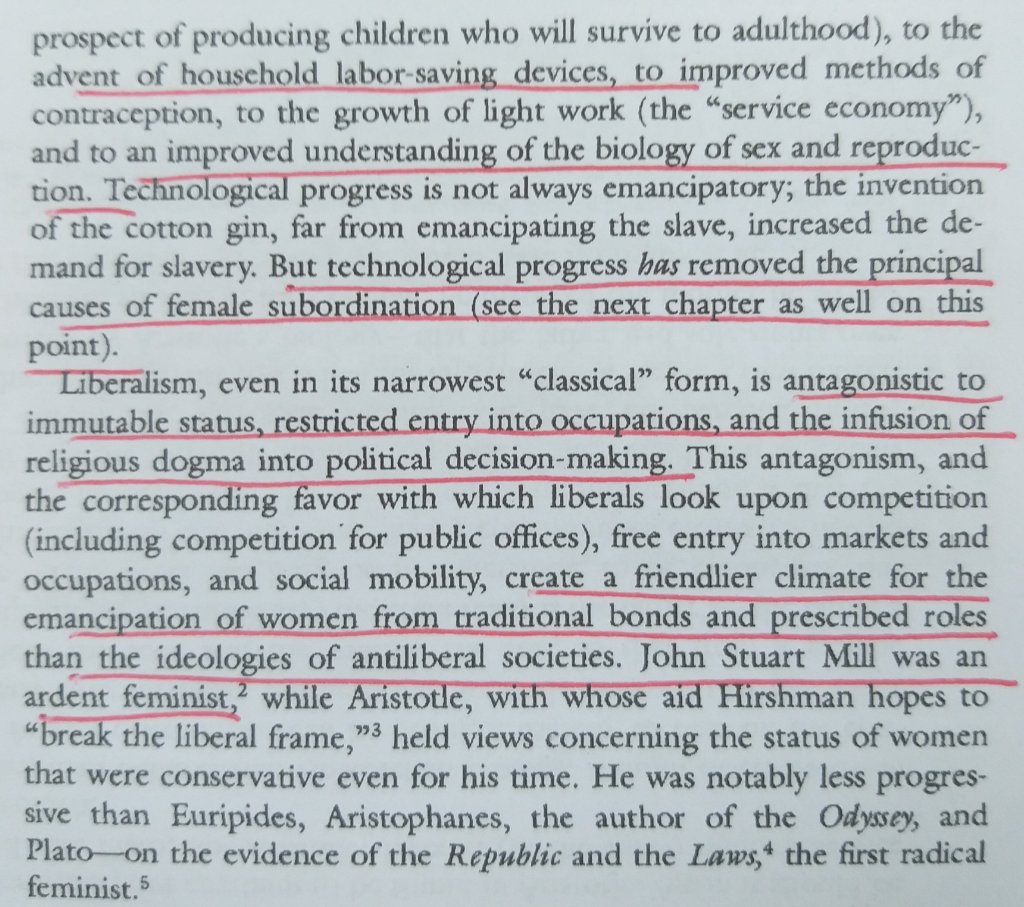
Posner on the left as feminism’s best home
19 Sep 2020 Leave a comment
in development economics, discrimination, economic history, economics of bureaucracy, economics of education, gender, growth disasters, growth miracles, health and safety, health economics, history of economic thought, human capital, income redistribution, labour economics, labour supply, law and economics, liberalism, libertarianism, Marxist economics, occupational choice, occupational regulation, politics - Australia, politics - New Zealand, politics - USA, poverty and inequality, property rights, Public Choice, Richard Posner, unemployment, unions, welfare reform Tags: child mortality, infant mortality, sex discrimination, The Great Enrichment, The Great Escape, women's liberation
How do B- students keep up with pace of medical school course, much less pass exams?
19 Sep 2020 Leave a comment
in discrimination, economics of bureaucracy, economics of education, human capital, income redistribution, labour economics, law and economics, occupational choice, politics - New Zealand, Public Choice, rentseeking Tags: affirmative action, racial discrimination

Dominion Post 19 September 2020, p. A7
Angus Deaton – “The Great Escape: Health, Wealth, and the Origins of Inequality”
18 Sep 2020 Leave a comment
in development economics, economic history, economics of education, environmental economics, growth disasters, growth miracles, health and safety, health economics, history of economic thought, human capital, labour economics, labour supply, law and economics, poverty and inequality, property rights, Public Choice, public economics Tags: child mortality, infant mortality, The Great Escape
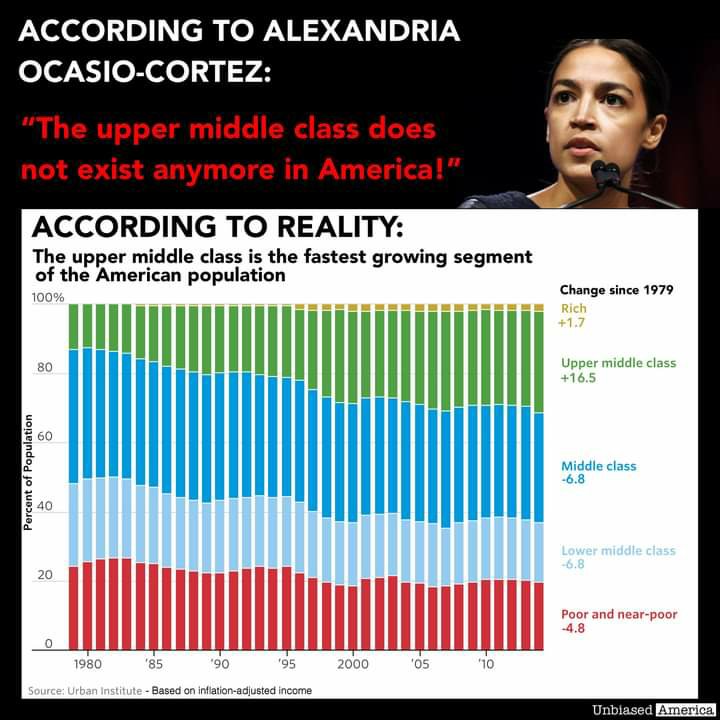
The withering away of the proletariat @AOC @BernieSanders
16 Sep 2020 Leave a comment
in economic history, economics of education, entrepreneurship, human capital, industrial organisation, labour economics, labour supply, politics - USA, poverty and inequality Tags: envy, The Great Enrichment
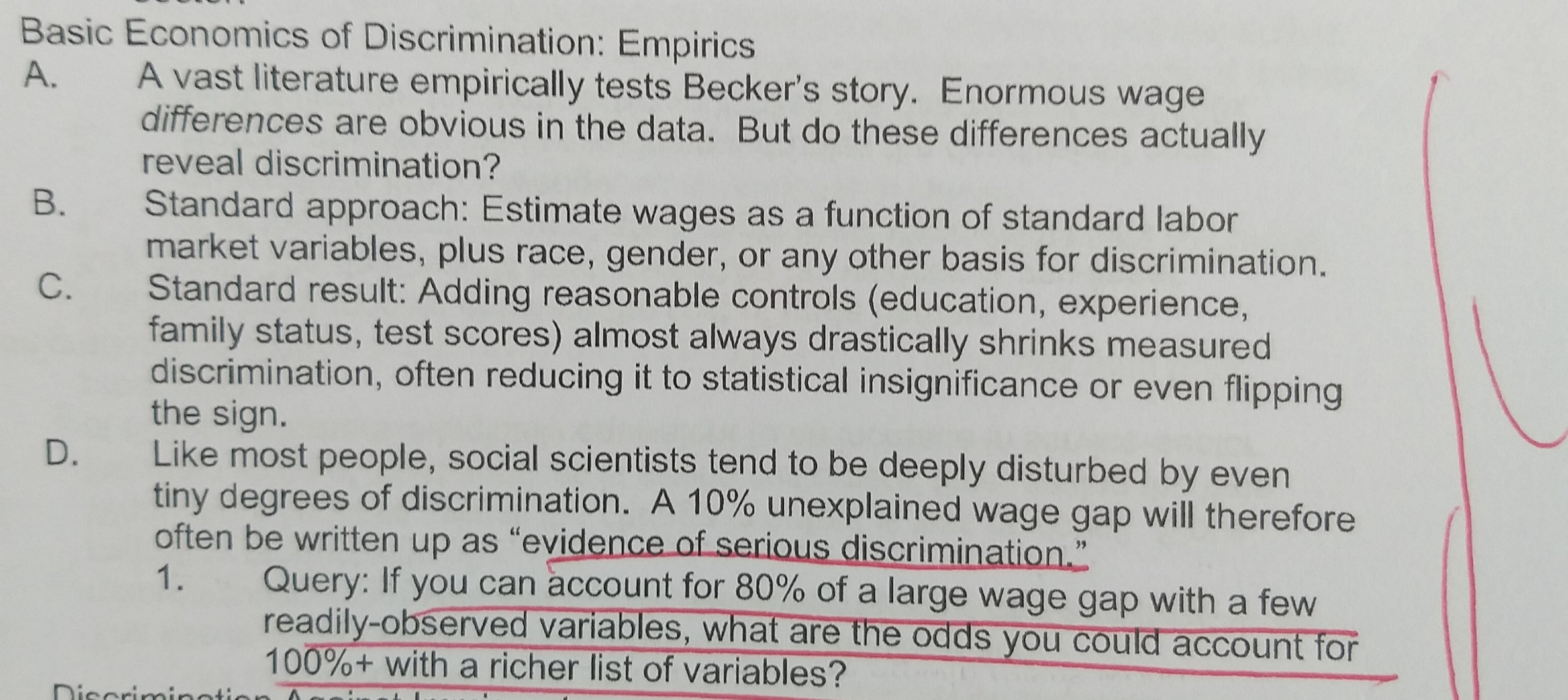
Spot on Bryan Caplan
15 Sep 2020 Leave a comment
in discrimination, econometerics, economics of education, economics of information, gender, health and safety, human capital, labour economics, labour supply, law and economics, occupational choice, occupational regulation, politics - Australia, politics - New Zealand, politics - USA, poverty and inequality Tags: methodology of economics, philosophy of science, racial discrimination, sex discrimination
Facts trump feelings
14 Sep 2020 Leave a comment
in economics of education, politics - Australia, politics - New Zealand, politics - USA Tags: Anti-Science left, political correctness, regressive left

New Rule: Side with Teachers | Real Time with @BillMaher
13 Sep 2020 Leave a comment
in economics of education, television
Longer probation periods = higher teacher’s pay
12 Sep 2020 Leave a comment
in applied price theory, economics of education, labour economics, labour supply
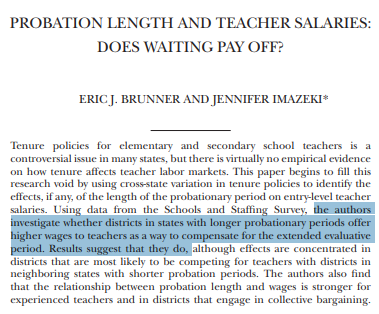
From BRUNNER, ERIC J., and JENNIFER IMAZEKI. “PROBATION LENGTH AND TEACHER SALARIES: DOES WAITING PAY OFF?” Industrial and Labor Relations Review 64, no. 1 (2010): 164-80. Accessed September 12, 2020.
Why conspiracy theories are rational to believe
12 Sep 2020 Leave a comment
in applied price theory, applied welfare economics, behavioural economics, comparative institutional analysis, economics of education, economics of information, economics of media and culture, politics - Australia, politics - New Zealand, politics - USA, Public Choice Tags: cognitive psychology, conspiracy theorists, political psychology
Jordan Peterson on @BillMaher
12 Sep 2020 Leave a comment
in economics of education, law and economics, Marxist economics, politics - Australia, politics - New Zealand, politics - USA, television Tags: free speech, political correctness, regressive left
Jordan Peterson: The fatal flaw in leftist American politics | Big Think
12 Sep 2020 Leave a comment
in comparative institutional analysis, constitutional political economy, development economics, economic history, economics of education, entrepreneurship, history of economic thought, human capital, income redistribution, industrial organisation, labour economics, liberalism, libertarianism, Marxist economics, poverty and inequality, Public Choice, public economics, Rawls and Nozick Tags: anti-market bias, envy, pessimism bias, regressive left, top 1%
 Utopia, you are standing in it!
Recent Comments