According to the survey, 53 percent of Germans are in favor of pushing back the target for climate neutrality from 2045 to 2050. This shift would align Germany with the general European Union timeline and end the current “special path” (Sonderweg) of an accelerated exit.
Wake-up Call: Survey Shows Majority Of Germans Now Favor Postponing Climate Targets!
Wake-up Call: Survey Shows Majority Of Germans Now Favor Postponing Climate Targets!
16 Mar 2026 1 Comment
in economics of climate change, economics of information, economics of media and culture, energy economics, environmental economics, environmentalism, global warming Tags: Germany
The bizarre world of Advertising
26 Feb 2026 Leave a comment
in economic history, economics of information, economics of media and culture, history of economic thought, industrial organisation

It is not often I am speechless but that is exactly what I was when I saw some of these advertisements and products from days of yore. You would not get away with it by today’s standards. Vintage newspaper ad for heroin Who doesn’t like a bit of cocaine on their candy. Stay fit and […]
The bizarre world of Advertising
Polls are snapshots, not predictions: how to read them critically this election year
12 Feb 2026 1 Comment
in econometerics, economics of education, economics of information, politics - New Zealand
With nine months to go, how much can opinion polls tell us about the general election on November 7? Short answer: not much. Based solely on polls, no one could have predicted the past three elections this early in the year they were held. Trends shifted over the subsequent months, and events (especially COVID in 2020) […]
Polls are snapshots, not predictions: how to read them critically this election year
Adam Smith And Joseph Campbell On The Dangers Of “The Man Of System”
23 Dec 2025 Leave a comment
in Adam Smith, applied price theory, comparative institutional analysis, economics of information, economics of regulation, history of economic thought
Here is a passage from The Theory of Moral Sentiments by Smith (author of the book The Wealth of Nations in 1776 that started economics) at the Library of Economics and Liberty. Smith emphasizes the arrogance and conceit of those who think they can arrange society any way they want. In a separate passage, Smith…
Adam Smith And Joseph Campbell On The Dangers Of “The Man Of System”
My first AI op-ed summary
21 Dec 2025 Leave a comment
in applied price theory, discrimination, economics of education, economics of information, entrepreneurship, gender, human capital, labour economics, labour supply, politics - New Zealand Tags: gender wage gap
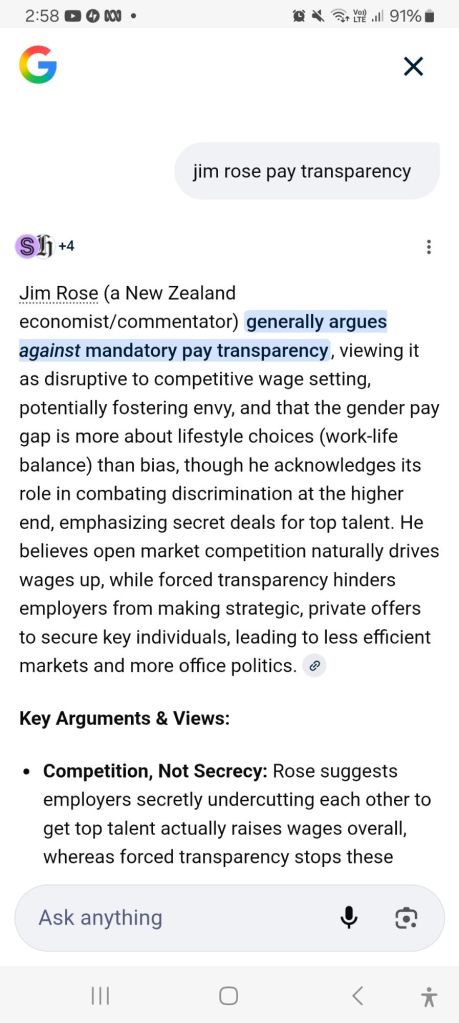
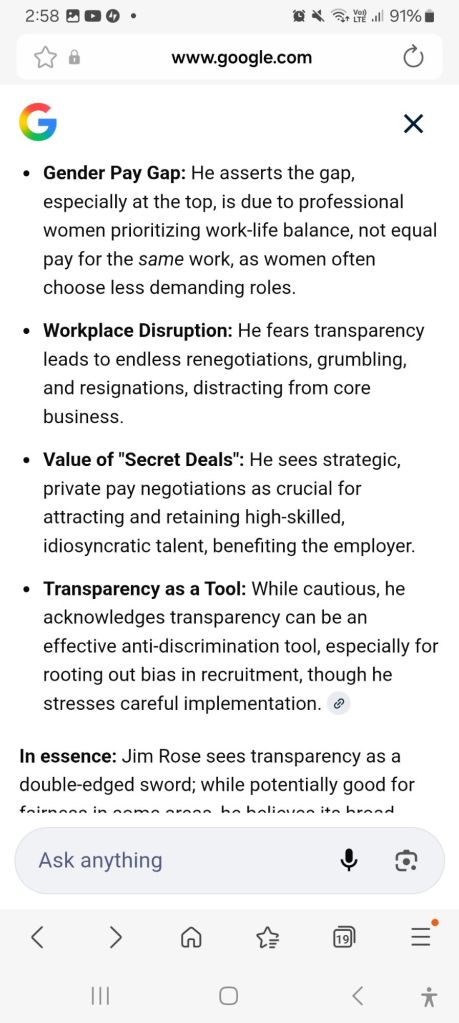

“AI is everywhere but in the productivity statistics…”
15 Dec 2025 Leave a comment
in applied price theory, econometerics, economic history, economics of information, entrepreneurship, history of economic thought, industrial organisation Tags: creative destruction
These people are saying it is there too. Though I am not quite sure what they (or anyone, for that matter) mean by AI: First, we argue that AI can already be seen in productivity statistics for the United States. The production and use effects of software and software R&D (alone) contributed (a) 50 percent…
“AI is everywhere but in the productivity statistics…”
Media bias in New Zealand yet again
08 Dec 2025 Leave a comment
in economics of information, economics of media and culture, industrial organisation, politics - New Zealand, survivor principle Tags: media bias
Chris McVeigh writes – If you took a double at the TAB, with the Pope getting married as one leg and Radio New Zealand admitting to a smidgen of left wing partiality as the other, you could be forgiven for thinking that the smart money would be on the Vatican gig bringing home the bacon […]
Media bias in New Zealand yet again
Who Won the Socialist Calculation Debate (with Peter Boettke) 2/17/25
29 Nov 2025 Leave a comment
in applied price theory, Austrian economics, comparative institutional analysis, development economics, economic history, economics of information, entrepreneurship, F.A. Hayek, history of economic thought, industrial organisation, law and economics, Ludwig von Mises, market efficiency, property rights, survivor principle, Thomas Sowell
An Economist’s Case for Liberty | David Friedman
07 Nov 2025 Leave a comment
in applied price theory, comparative institutional analysis, David Friedman, economics of bureaucracy, economics of information, economics of regulation, history of economic thought, income redistribution, law and economics, libertarianism, market efficiency, Milton Friedman, property rights, Public Choice, rentseeking
Emotions and Policy Views
07 Jul 2025 Leave a comment
in applied price theory, behavioural economics, economics of information, politics - Australia, politics - New Zealand, politics - USA
I would call this a story of negative emotional contagion: This paper investigates the growing role of emotions in shaping policy views. Analyzing social citizens’ media postings and political party messaging over a large variety of policy issues from 2013 to 2024, we document a sharp rise in negative emotions, particularly anger. Content generating anger […]
Emotions and Policy Views
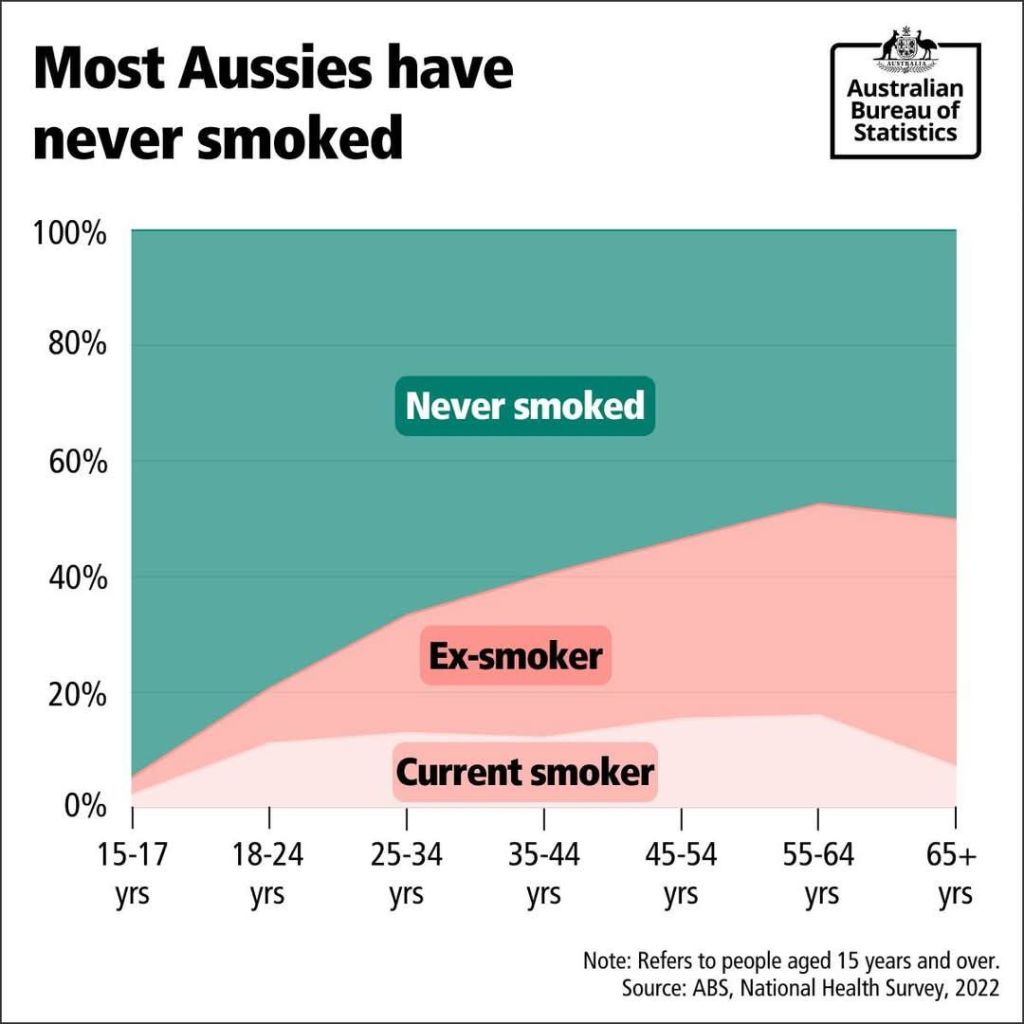
No smoking
02 Jun 2025 Leave a comment
in economics of information, economics of regulation, health economics, industrial organisation Tags: economics of smoking
Irrationality As the Fountainhead of Market Failure
28 May 2025 Leave a comment
in applied price theory, applied welfare economics, comparative institutional analysis, economics of information, history of economic thought
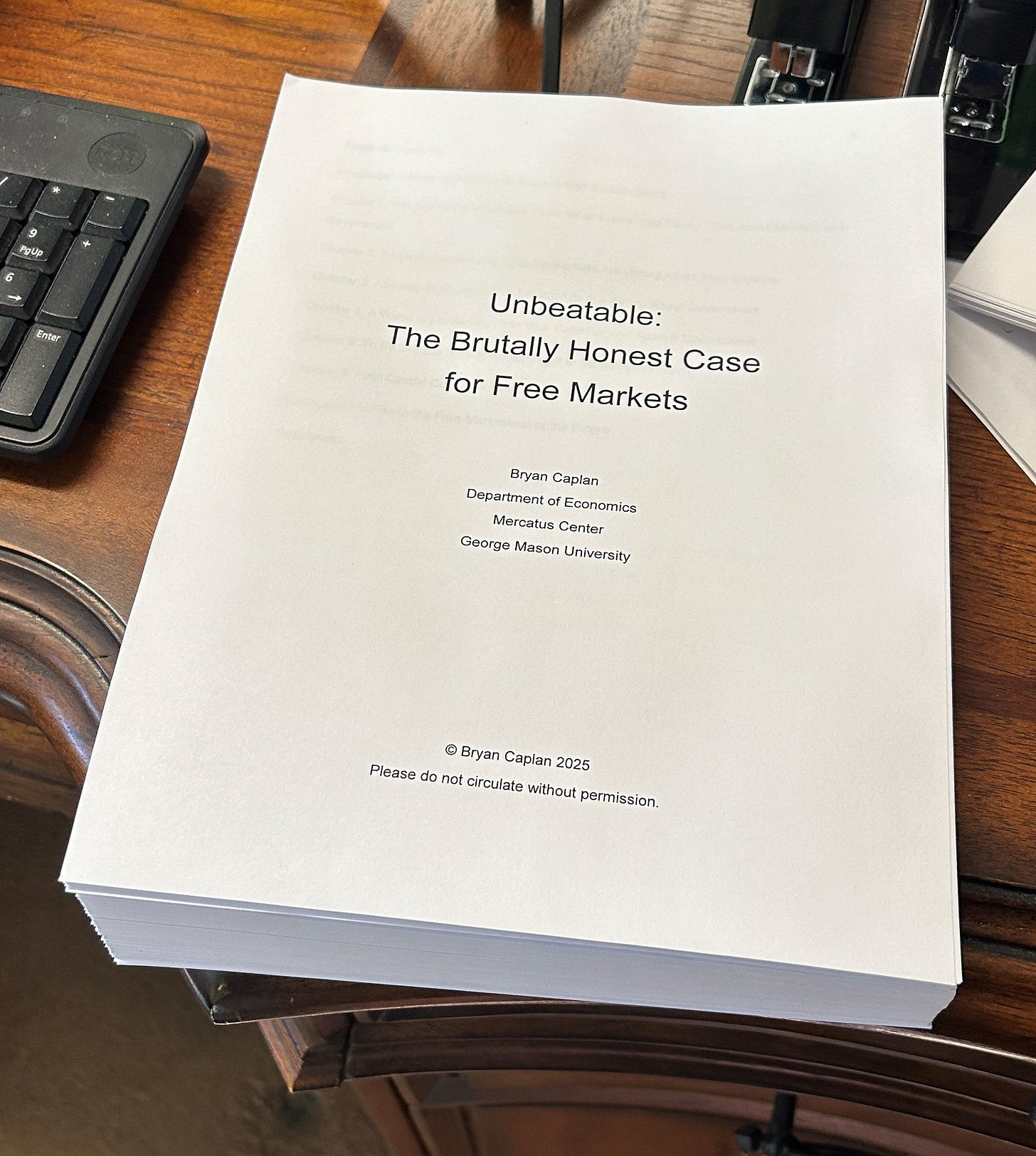
An excerpt from Chapter 4 of *Unbeatable*
Irrationality As the Fountainhead of Market Failure
Pro-Market & Pro-Business: Firms Strive to Satisfy the Customer
22 May 2025 Leave a comment
in applied price theory, comparative institutional analysis, economics of information, economics of regulation, entrepreneurship, history of economic thought, industrial organisation, labour economics, law and economics, property rights
Why the housing market imploded
29 Apr 2025 Leave a comment
in applied price theory, behavioural economics, economic history, economics of information, financial economics, global financial crisis (GFC), great recession, macroeconomics, monetary economics
In a recent paper, Christopher L. Foote, Kristopher S. Gerardi, and Paul S. Willen report (pdf): This paper presents 12 facts about the mortgage market. The authors argue that the facts refute the popular story that the crisis resulted from financial industry insiders deceiving uninformed mortgage borrowers and investors. Instead, they argue that borrowers and […]
Why the housing market imploded
How a Secretive Gambler Called ‘The Joker’ Took Down the Texas Lottery
26 Apr 2025 Leave a comment
in applied price theory, economics of information, economics of media and culture
A global team of gambling whizzes hatched a scheme to snag the jackpot; millions of tickets in 72 hoursBy Joe Wallace and Katherine Sayre of The WSJ. Excerpts:”There were 25.8 million potential number combinations. The tickets were $1 apiece. The jackpot was heading to $95 million. If nobody else also picked the winning numbers, the…
How a Secretive Gambler Called ‘The Joker’ Took Down the Texas Lottery
 Utopia, you are standing in it!
Recent Comments