George Stigler 50 Years Later: Part 1 – George Stigler’s Contribution and Lasting Impact
21 Jun 2021 Leave a comment
in applied price theory, comparative institutional analysis, constitutional political economy, economics of information, George Stigler, history of economic thought, Public Choice
A Quarter Century of ‘The Proper Scope of Government’: Theory and Applications | Oliver Hart
09 Jun 2021 Leave a comment
in applied price theory, applied welfare economics, Armen Alchian, comparative institutional analysis, constitutional political economy, development economics, economic history, economics of bureaucracy, economics of information, entrepreneurship, financial economics, history of economic thought, industrial organisation, managerial economics, market efficiency, organisational economics, privatisation, property rights, Public Choice, public economics, rentseeking, Ronald Coase, survivor principle, theory of the firm, transport economics, urban economics
How do you align the incentives of sea captains transporting criminals to Australia with those of the public?
06 Jun 2021 Leave a comment
in applied price theory, Armen Alchian, comparative institutional analysis, economics of information, financial economics, history of economic thought, industrial organisation, labour economics, labour supply, law and economics, managerial economics, market efficiency, organisational economics, personnel economics, property rights, Ronald Coase, survivor principle, theory of the firm Tags: adverse selection, asymmetric information, incentive compatibility, moral hazard
The FDA’s Oversight of Drug and Vaccine Development: A Conversation with Richard Epstein
26 May 2021 Leave a comment
in applied price theory, applied welfare economics, economics of information, economics of regulation, health economics, law and economics, property rights, Richard Epstein Tags: drug lags, economics of pandemics
How Psychics Exploit Our Cognitive Biases
14 Mar 2021 Leave a comment
in economics of crime, economics of education, economics of information, economics of media and culture, law and economics
Know they customer
11 Mar 2021 Leave a comment
in economics of education, economics of information, economics of media and culture, entrepreneurship Tags: consumer fraud

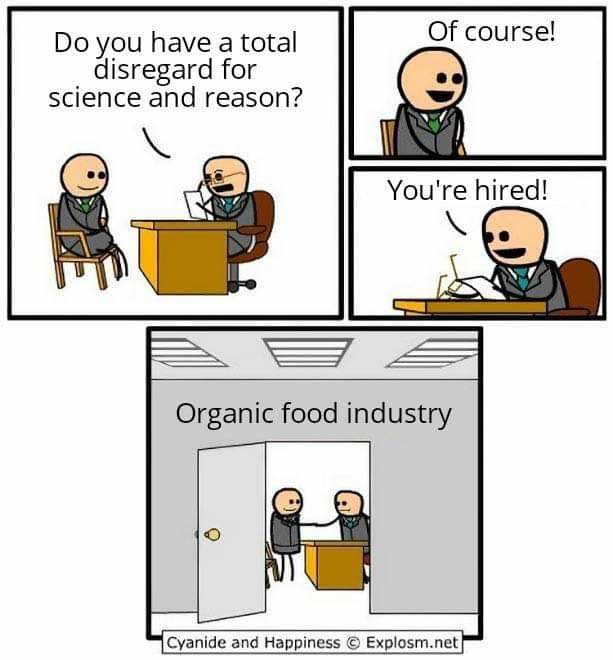
#BigOrganic
04 Mar 2021 Leave a comment
in economics of information, economics of media and culture, entrepreneurship, health economics Tags: organic farming
The Importance of Economics in the Field of Law. David Friedman & Keith Knight
12 Feb 2021 Leave a comment
in applied price theory, comparative institutional analysis, David Friedman, economic history, economics of crime, economics of information, history of economic thought, industrial organisation, law and economics, property rights, Ronald Coase
Randomized Control Trials in the Field of Development: A Critical Perspective (Webinar)
05 Feb 2021 Leave a comment
in applied price theory, applied welfare economics, comparative institutional analysis, development economics, econometerics, economics of bureaucracy, economics of information, experimental economics, history of economic thought, Public Choice Tags: philosophy of science, The fatal conceit
ECON2175 2111 Lecture 3 – Were People from the Past Irrational Morons?
24 Jan 2021 Leave a comment
in applied price theory, Austrian economics, behavioural economics, economic history, economics of information
3 books that drove Glenn away from the right in the 90s | Glenn Loury & Daniel Bessner
15 Jan 2021 Leave a comment
in discrimination, economics of education, economics of information, human capital, labour economics, labour supply, minimum wage, politics - USA, poverty and inequality, unemployment, welfare reform Tags: political correctness, racial discrimination, regressive left
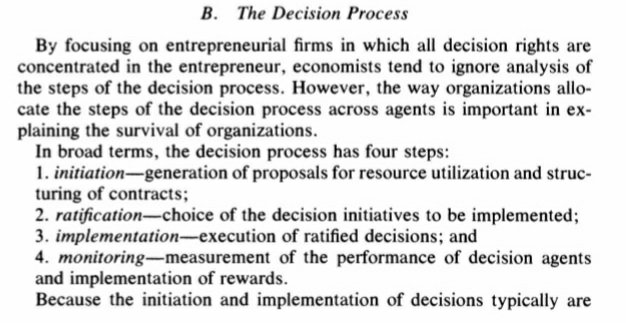
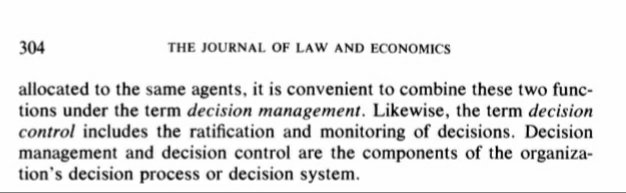
Fama and Jensen explain governance
10 Jan 2021 Leave a comment
in applied price theory, economics of information, industrial organisation, managerial economics, organisational economics, personnel economics, property rights, survivor principle, theory of the firm Tags: corporate governance
What’s wrong with education? A Symposium featuring Bryan Caplan & Miguel Urquiola
16 Dec 2020 Leave a comment
in economics of education, economics of information, human capital, labour economics, labour supply, occupational choice, personnel economics, poverty and inequality, unemployment Tags: signaling
Oklahoma Doctors vs. Obamacare
03 Dec 2020 Leave a comment
in applied price theory, economics of bureaucracy, economics of information, health economics, industrial organisation, managerial economics, organisational economics, personnel economics, politics - USA, Public Choice, theory of the firm Tags: adverse selection, asymmetric information, health insurance, moral hazard, self-selection


Recent Comments