The Stranglers – Golden Brown
18 May 2016 Leave a comment
in economics of media and culture, Music Tags: The Stranglers
Why Does Running Water Make You Want To Pee?
17 May 2016 Leave a comment
in economics, economics of media and culture Tags: Psychology
Is it merchandising that drives gender bias in Hollywood casting?
17 May 2016 Leave a comment
in discrimination, economics of media and culture, gender, industrial organisation, labour economics, labour supply, occupational choice, survivor principle Tags: entrepreneurial alertness, gender gap, gender wage gap, Hollywood economics

Iron Man 3 changed the gender of the film’s villain from female to male after pressure from the production company Marvel, which feared toy merchandise would not sell as well.
This is a rather frank admission of what drives gender bias in Hollywood casting decisions. Its customer preferences – customer discrimination. It was not nasty producers and directors choosing not to hire women.
It was producers and directors casting a movie that might sell at the box office given what the box office wants. The great majority of box office sales is outside of the USA and US cultural values, interests and concepts of humour.

Hollywood is a cutthroat market where producers and directors do do whatever it takes to make their movie sell at the box office. But would not last very long if they indulge their personal preferences at the expense of the box office.
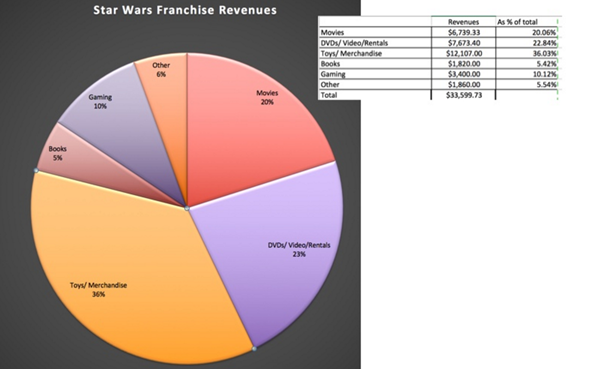
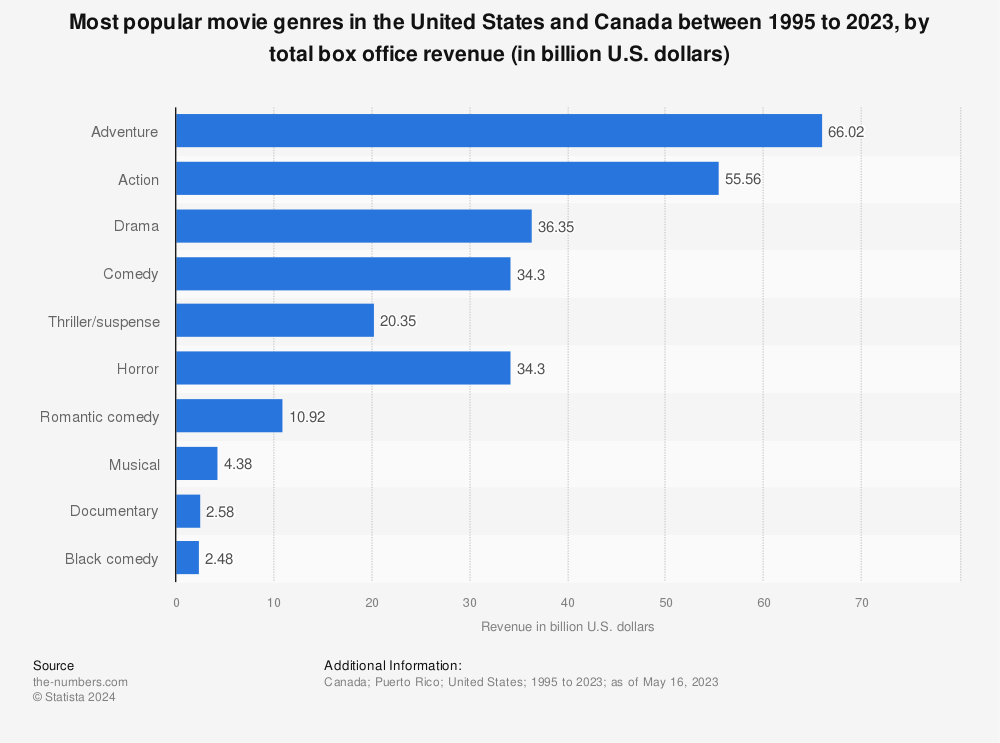
Not every movie has the merchandising potential of action films but they still have to pay careful attention to what audiences want to avoid having produced a run of flops and never get financing again.
That is not made any easier by the first law of Hollywood economics, which is nobody knows nothing. Audiences have a constant demand for novelty but they do not know what they want delay see it.
Natalie Bennett’s Best Bits | Gaia Fawkes
17 May 2016 Leave a comment
in economics of media and culture Tags: British politics
THE SUNNYBOYS – Love In A Box
16 May 2016 Leave a comment
in economics of media and culture, Music Tags: Sunnyboys
The Rise and Fall of the Chinese Economy
16 May 2016 Leave a comment
in constitutional political economy, development economics, economics of media and culture, growth disasters, growth miracles Tags: China, The Great Escape
Woody Allen and William Buckley
16 May 2016 Leave a comment
in economics of media and culture, movies Tags: William Buckley, Woody Allen
Persian gulf ethnicity map
16 May 2016 Leave a comment
in economics of media and culture, economics of religion Tags: Middle-East politics
Songs that sound the same: “Do Ya Think I’m Sexy” and “Taj Mahal”
15 May 2016 Leave a comment
in economics of media and culture, Music, property rights Tags: patents and copyrights
England, Great Britain and the United Kingdom explaining
15 May 2016 Leave a comment
in economics of media and culture Tags: maps

Top 10 Casting Decisions of All Time
15 May 2016 Leave a comment
in economics of media and culture, movies
25 biggest grossing adjusted for inflation movies of all time in the USA
15 May 2016 Leave a comment
in economics of media and culture Tags: Hollywood economics
Good to see more than a few classics on this list including the epics of the early 1960s.
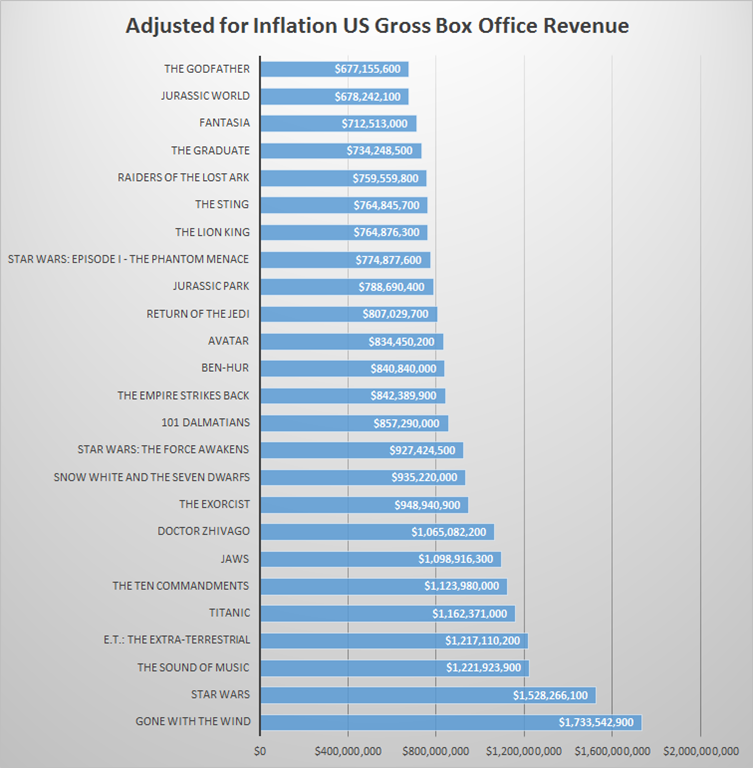
Source: Box Office Mojo, All Time Box Office Adjusted for Ticket Price Inflation.


Recent Comments