Twitter had a better start on the share market than Facebook
05 Apr 2015 Leave a comment
in economics of media and culture, entrepreneurship, financial economics, industrial organisation, survivor principle Tags: efficient markets hypothesis, Facebook, Twitter
Who trusts which news source?
03 Apr 2015 Leave a comment
in economics of media and culture, industrial organisation, survivor principle Tags: media bias, voter demographics
@47Patriots @GaltsGirl @corrcomm @lyndseyfifield @CathyYoung63
whoever u r, u r more trustworthy than @BuzzFeed http://t.co/sv4snHyMF2—
SonOfPatriarchy (@sports2inflatio) April 02, 2015
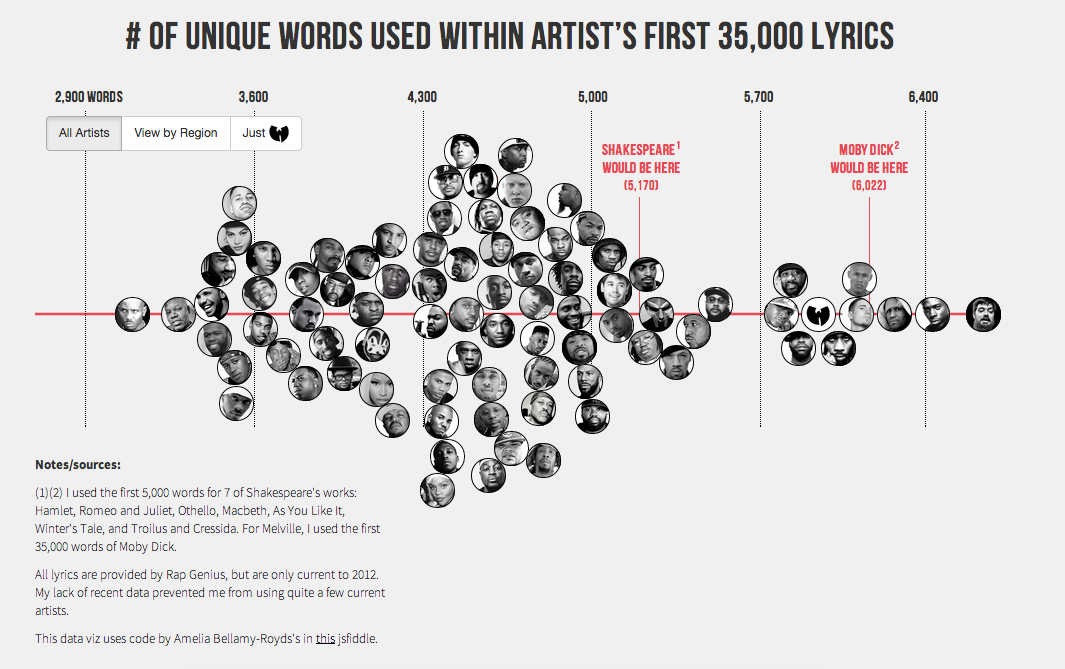
Vocabulary of Shakespeare vs. rappers
01 Apr 2015 Leave a comment
in economic history, economics of media and culture, Music Tags: economics of language, Rap music, Shakespeare
Musical life expectancy
31 Mar 2015 Leave a comment
in economics of media and culture, health economics, labour economics, Music, occupational choice Tags: compensating differentials, life expectancy


via The 27 Club is a myth: 56 is the bum note for musicians and Stairway to hell: life and death in the pop music industry..
Has this gone out of style since I was at university, which was much later?
31 Mar 2015 Leave a comment
in economics of education, economics of media and culture Tags: campus days, The 60s
15 young women about to break the world record for passengers in a Mini, 1966. http://t.co/06H0V13wiM—
History In Pictures (@HistoryInPics) March 28, 2015
Check out the hairstyles and fashion.
The importance of defining Internet trolls properly
30 Mar 2015 1 Comment
in economics of information, economics of media and culture, health economics, industrial organisation Tags: information cocoons, infotopia, Internet trolls
What people worry about varies a lot by language
30 Mar 2015 Leave a comment
in economics of media and culture Tags: economics of culture
The world's most controversial Wikipedia topics, by language
economist.com/blogs/graphicd… http://t.co/8PaHPlI17b—
Conrad Hackett (@conradhackett) March 30, 2015
When did administering first aid in an ambulance become lawful in Japan
30 Mar 2015 Leave a comment
in economics of media and culture, economics of regulation, health economics Tags: Japan
One of the pluses of moving to Japan to study in 1995 was I didn’t move to study in Japan before 1992, which was when Japanese ambulances were first allowed to administer first aid.

Prior to 1992, Japanese ambulances were not permitted to administer first aid.They just loaded you into the back of the ambulance and off they went.
I know this to be true because I visited the Tokyo Fire Department in 1997 on on a field trip. On page 400 or so of their hand-out, there is a discussion of the change in Japanese ambulance law in 1992 permitting limited first aid to be administered in an ambulance under the supervision of a doctor by radio.
In our tour of the Tokyo Fire Department, we saw the control room where the doctor was sitting who administer guidance while first aid was being administered in an ambulance. Japanese ambulance professionals still have relatively limited training compared to other advanced countries.
Dialects and accents in Britain
30 Mar 2015 Leave a comment
in economics of media and culture Tags: British English, economics of English
Data plans vary quite a lot in price
30 Mar 2015 Leave a comment
in applied welfare economics, development economics, economics of media and culture, growth miracles, industrial organisation, survivor principle Tags: cell phones
India’s cut-throat mobile market is a boon to consumers, but an auction is shaking things up econ.st/1Celv2O http://t.co/Fqp95eR145—
The Economist (@EconEconomics) March 27, 2015
To punish the discussion of public affairs through libel judgments is to shut off discussion of the very kind most needed
29 Mar 2015 Leave a comment

Are the baby boomers a bunch of druggies?
29 Mar 2015 Leave a comment
in economics of crime, economics of media and culture, law and economics Tags: baby boomers, drug abuse, Drug safety, The 60s
Chart: Baby Boomers got high way more than Millennials wapo.st/1GjUP4N http://t.co/VYQR1Q5Iq4—
Know More (@knowmorewp) March 04, 2015


Recent Comments