Using #FiftyShadesofRed we'll be charting the most embarrassing call outs & giving safety tips http://t.co/r4Mu5pxAun pic.twitter.com/zhRvDlBpeC
— London Fire Brigade (@LondonFire) February 12, 2015
An important notice from the London Fire Brigade about 50 Shades of Grey
12 Feb 2015 Leave a comment
Wacky warning labels finalists
12 Feb 2015 Leave a comment
in economics of information, economics of media and culture, economics of regulation, law and economics







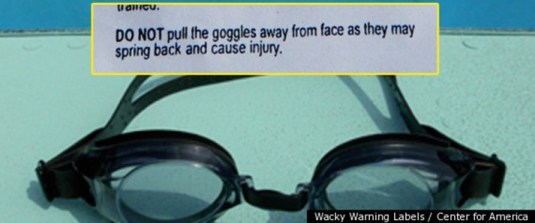

Photo of man on phone missing rare humpback whale sighting
12 Feb 2015 Leave a comment
in economics of media and culture Tags: fraying of culture

Public relations people earn 54% more than journalists & outnumber them nearly 5 to 1
12 Feb 2015 Leave a comment

The media market works: US media is slightly to the left of centre
12 Feb 2015 Leave a comment
in economics of media and culture, industrial organisation, politics - Australia, politics - New Zealand, politics - USA, survivor principle Tags: demand for social insurance, gender wage gap, media bias

As discussed before, to survive in a competitive market, media outlets must serve that market as best they can.
The reader or viewer that is most likely to turn off or otherwise switch to another activity are women, often mothers. Women tend to be to the left than me because of their greater demand for social insurance.

To keep their most marginal viewers, media outlets pitch their stories slightly left of centre, aimed at women who are most likely to switch off if they are not seeing what they want to see.
Will robots take my job as a blogger?
12 Feb 2015 Leave a comment
in economics of media and culture, technological progress Tags: blogging, creative destruction, mechanisation, skill biased technical change, technological unemployment

It will be a slow train coming before they invent an angry paranoid blogger with every possible political view, conspiracy theory, taste in movies and humour, passionate scepticism and distain for anti-intellectualism depending on which menu button you click.

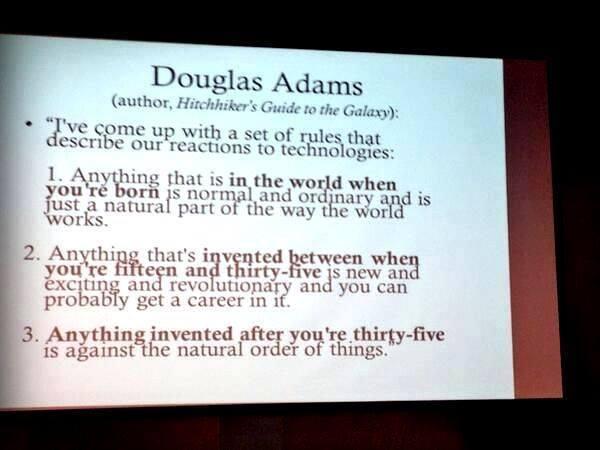
Douglas Adams on new technologies
11 Feb 2015 Leave a comment
in economics of media and culture, technological progress, TV shows Tags: creative destruction, Douglas Adams, innovation, technology diffusion
Millennials Don’t Know What “Socialism” Means
11 Feb 2015 Leave a comment
in comparative institutional analysis, constitutional political economy, economics of media and culture, Marxist economics, politics - USA Tags: economics of socialism, rational ignorance, rational irrationality

The age of the gentleman explorer
10 Feb 2015 Leave a comment
in economic history, economics of media and culture Tags: antartic
Check out these Instagram Outlaws
10 Feb 2015 Leave a comment



Recent Comments