Robert E. Lucas: The Wealth of Nations in the 21st Century
27 Oct 2020 Leave a comment
in comparative institutional analysis, development economics, economic growth, economic history, economics of regulation, entrepreneurship, growth disasters, growth miracles, history of economic thought, human capital, industrial organisation, international economics, labour economics, labour supply, law and economics, macroeconomics, occupational choice, occupational regulation, poverty and inequality, property rights, Robert E. Lucas Tags: The Great Enrichment
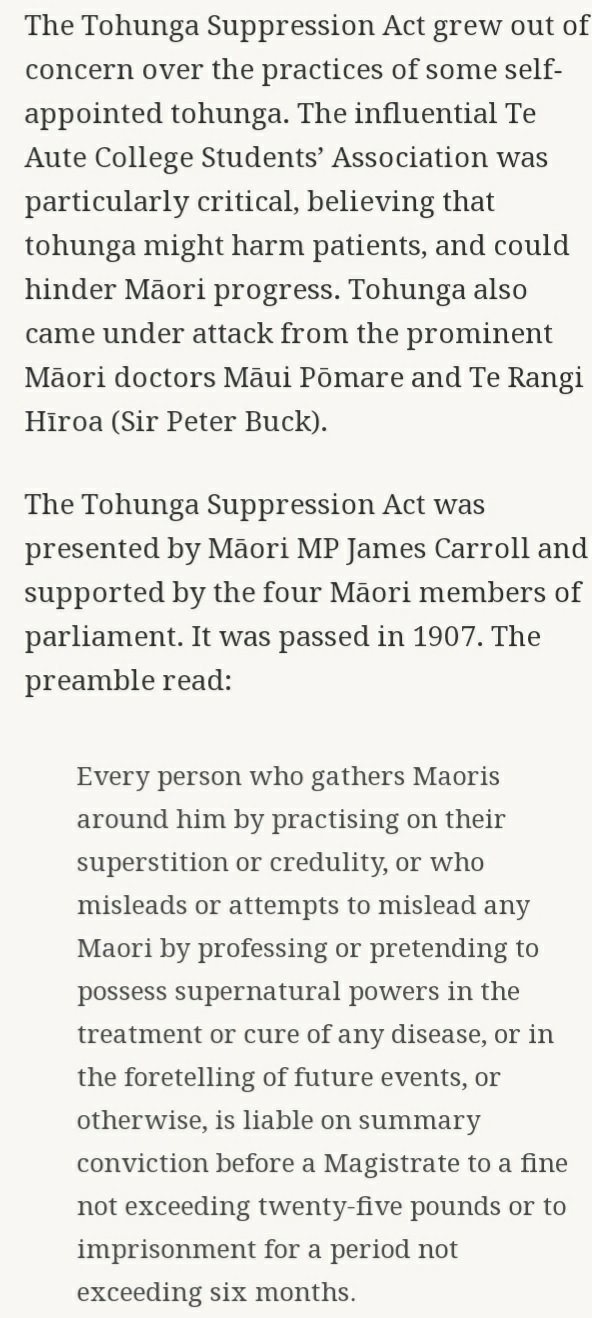
Woke @TheRACP erase Maori origins of Tohunga Suppression Act 1907 from parliamentary submission on Maori health disparities
26 Oct 2020 Leave a comment
in economic history, economics of crime, economics of regulation, health economics, law and economics, Marxist economics, politics - New Zealand, Public Choice Tags: Maori economic development, political correctness, racial discrimination, regressive left, useful idiots
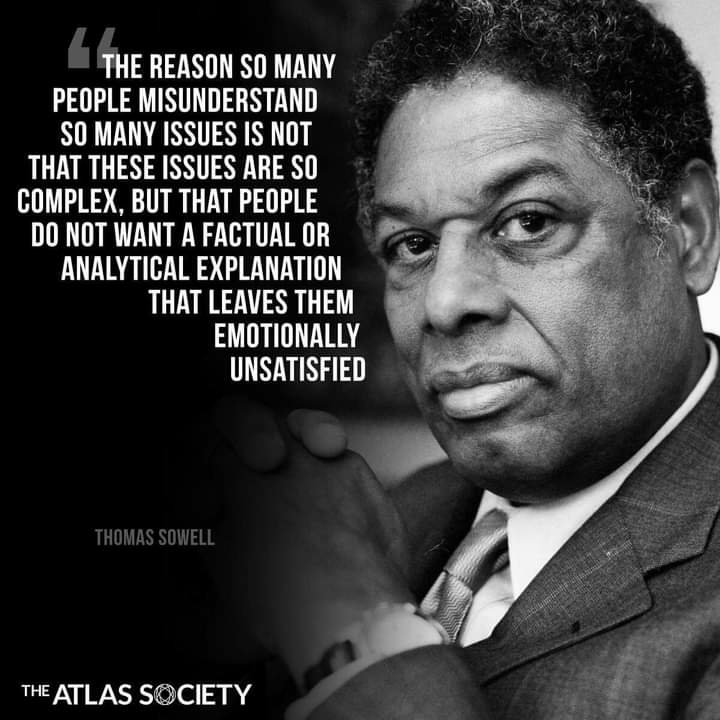
Anti-science @Greenpeace @NZGreens @Greens @AOC @BernieSanders
26 Oct 2020 Leave a comment
in applied price theory, applied welfare economics, comparative institutional analysis, constitutional political economy, development economics, economic history, economics of bureaucracy, economics of crime, economics of education, economics of information, economics of media and culture, economics of regulation, energy economics, environmental economics, environmentalism, financial economics, global warming, history of economic thought, income redistribution, industrial organisation, labour economics, law and economics, macroeconomics, Marxist economics, Public Choice, rentseeking, Thomas Sowell Tags: Anti-Science left, conjecture and refutation, offsetting behaviour, philosophy of science, The fatal conceit, unintended consequences, useful idiots
Richard Posner 2008 interview on antitrust law
26 Oct 2020 Leave a comment
in applied price theory, comparative institutional analysis, economic history, economics of bureaucracy, economics of regulation, history of economic thought, industrial organisation, law and economics, politics - USA, Public Choice, Richard Posner, theory of the firm Tags: competition law
Rare Economic Disasters: What Role Does Government Play? | Robert Barro
24 Oct 2020 Leave a comment
in applied price theory, applied welfare economics, budget deficits, business cycles, comparative institutional analysis, development economics, economic growth, economic history, economics of bureaucracy, economics of natural disasters, economics of regulation, energy economics, environmental economics, fiscal policy, global financial crisis (GFC), great depression, great recession, history of economic thought, industrial organisation, labour economics, labour supply, law and economics, macroeconomics, monetary economics, poverty and inequality, Public Choice, unemployment
David Friedman – Market Failure: An Argument both for and Against Government
20 Oct 2020 Leave a comment
in applied price theory, applied welfare economics, comparative institutional analysis, constitutional political economy, David Friedman, economic history, economics of crime, economics of regulation, history of economic thought, industrial organisation, labour economics, law and economics, property rights, Public Choice, public economics Tags: government failure, market failure
#globalwarming #climateemergency @Greenpeace @Greens @AOC @NZGreens @BernieSanders
18 Oct 2020 Leave a comment
in development economics, discrimination, economic history, economics of bureaucracy, economics of crime, economics of regulation, energy economics, entrepreneurship, environmental economics, financial economics, gender, global warming, growth miracles, human capital, income redistribution, labour economics, labour supply, law and economics, liberalism, libertarianism, Marxist economics, minimum wage, occupational choice, occupational regulation, politics - Australia, politics - New Zealand, politics - USA, poverty and inequality, Public Choice, rentseeking, unemployment, unions, welfare reform Tags: The fatal conceit

Future directions of research in the Coasean tradition: Sam Peltzman
16 Oct 2020 Leave a comment
in Alfred Marshall, applied price theory, applied welfare economics, comparative institutional analysis, economic history, economics of crime, economics of regulation, entrepreneurship, George Stigler, history of economic thought, industrial organisation, law and economics, property rights, Public Choice, Ronald Coase, Ronald Coase, Ronald Coase, Sam Peltzman, theory of the firm Tags: offsetting behaviour, The fatal conceit, unintended consequences
TEDxEast – Tyler Cowen – The Great Stagnation
14 Oct 2020 Leave a comment
in applied price theory, development economics, economic growth, economic history, economics of education, economics of regulation, energy economics, environmental economics, financial economics, growth miracles, human capital, income redistribution, industrial organisation, international economics, labour economics, labour supply, macroeconomics, poverty and inequality, Public Choice, rentseeking, transport economics Tags: creative destruction, The Great Enrichment
Another reason to abolish Medsafe. Months lost duplicting far better resourced overseas drug safety agencies #COVID19
13 Oct 2020 Leave a comment
in applied welfare economics, economics of bureaucracy, economics of regulation, health economics, politics - New Zealand, Public Choice Tags: drug lags, economics of pandemics

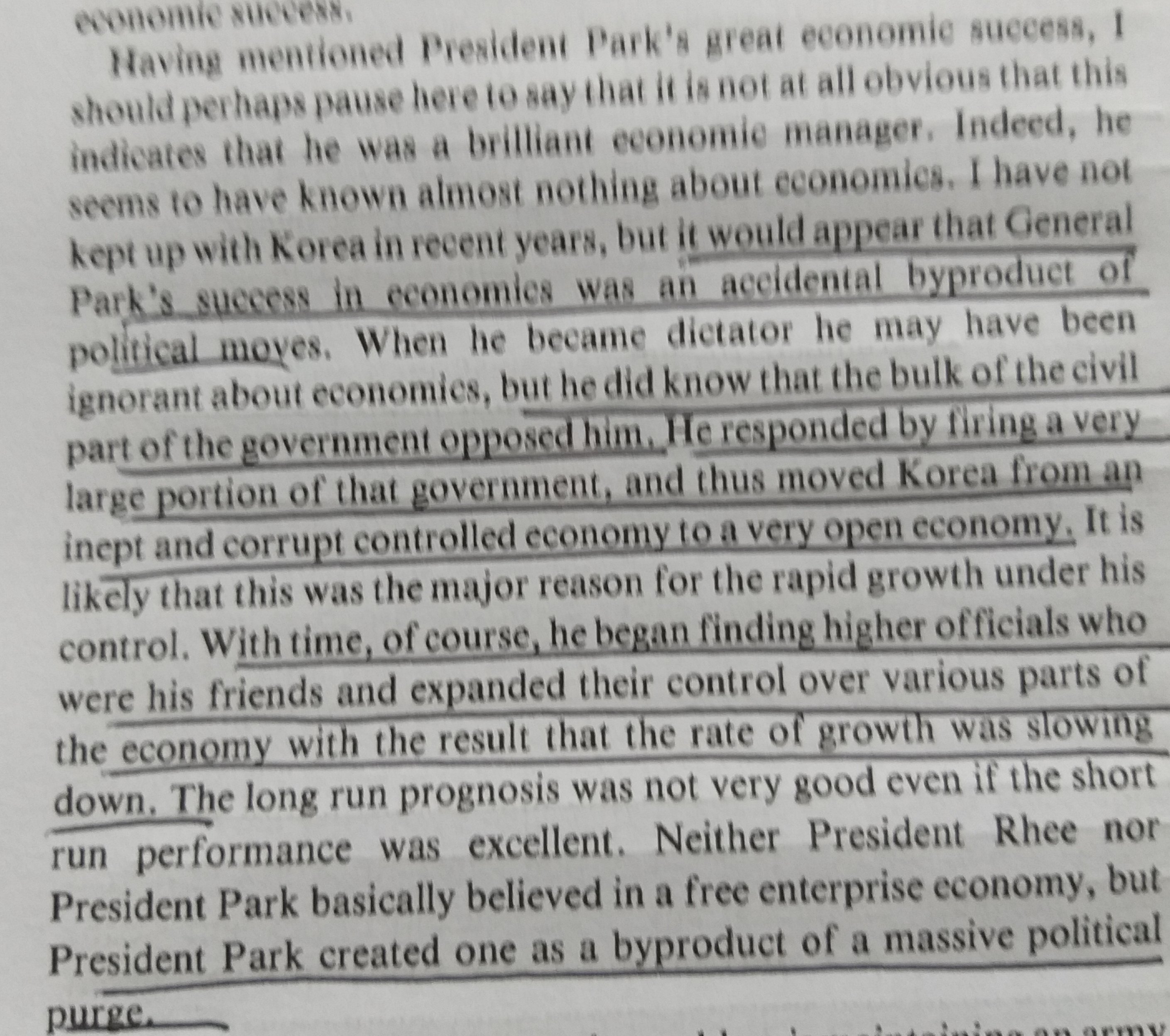
Gordon Tullock on the accidental Korean economic miracle
04 Oct 2020 Leave a comment
in comparative institutional analysis, constitutional political economy, defence economics, development economics, economic growth, economic history, economics of bureaucracy, economics of crime, economics of regulation, entrepreneurship, Gordon Tullock, growth disasters, growth miracles, history of economic thought, industrial organisation, international economics, law and economics, macroeconomics, property rights, Public Choice, rentseeking, survivor principle Tags: South Korea
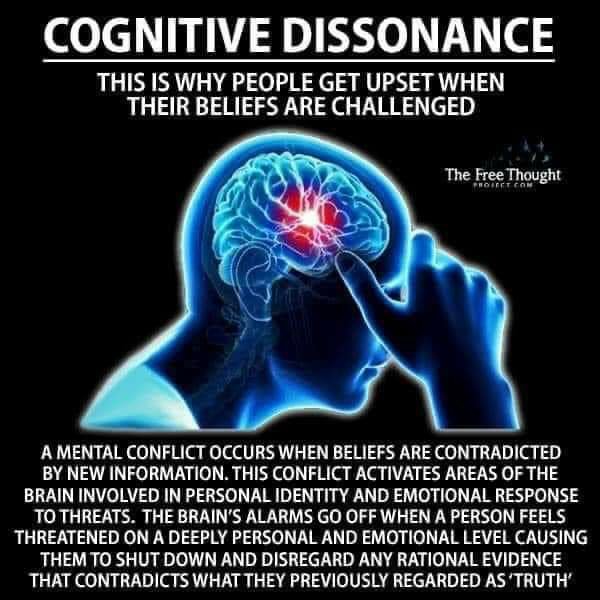
.@BernieSanders @AOC @Greens @NZGreens
02 Oct 2020 Leave a comment
in business cycles, development economics, discrimination, economic growth, economic history, economics of bureaucracy, economics of crime, economics of education, Economics of international refugee law, economics of love and marriage, economics of regulation, economics of religion, energy economics, entrepreneurship, environmental economics, financial economics, fiscal policy, gender, global warming, growth disasters, growth miracles, health and safety, health economics, history of economic thought, human capital, income redistribution, industrial organisation, international economics, International law, job search and matching, labour economics, labour supply, law and economics, macroeconomics, Marxist economics, minimum wage, occupational choice, occupational regulation, politics - Australia, politics - New Zealand, politics - USA, poverty and inequality, privatisation, property rights, Public Choice, public economics, rentseeking, survivor principle, unemployment, unions, welfare reform Tags: Age of Enlightenment, moral psychology, offsetting behaviour, political psychology, regressive left, The fatal conceit, The Great Enrichment, unintended consequences, useful idiots
Econ Duel: Why Is the Rent So Damn High?
02 Oct 2020 Leave a comment
in applied price theory, applied welfare economics, economics of regulation, law and economics, property rights, transport economics, urban economics Tags: housing affordability
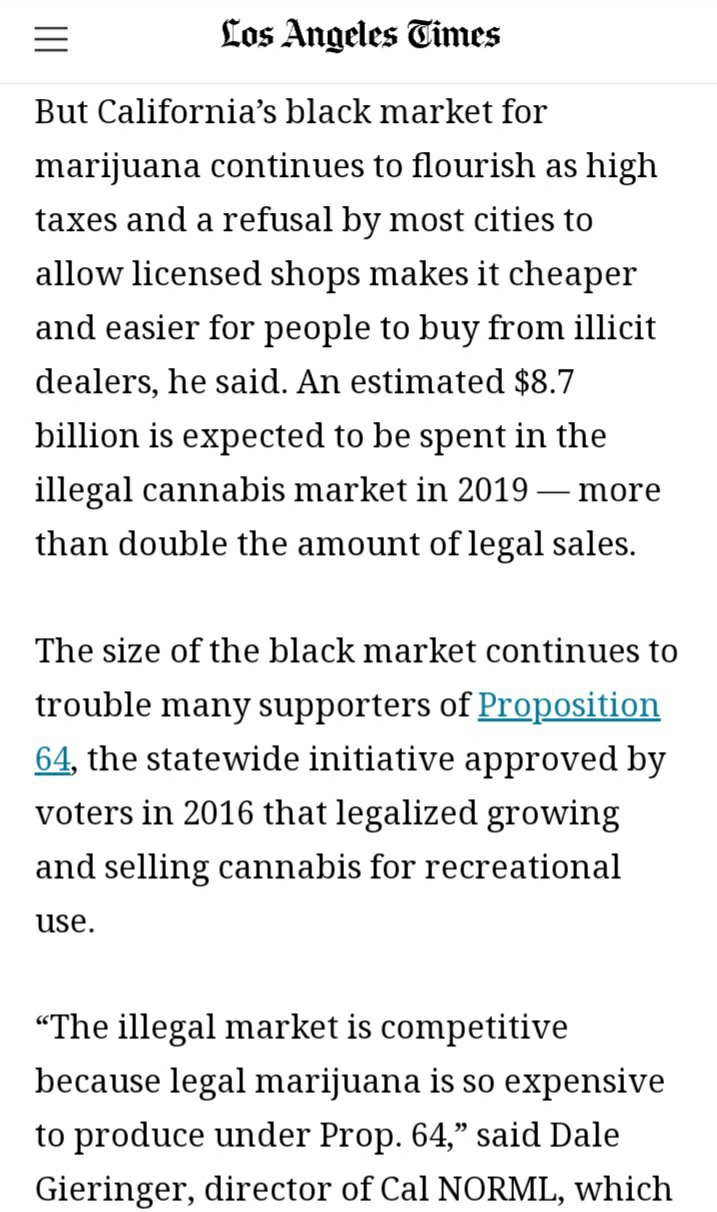
Stoners don’t like to pay tax
29 Sep 2020 Leave a comment
in applied price theory, economics of bureaucracy, economics of crime, economics of regulation, health economics, industrial organisation, law and economics, liberalism, politics - New Zealand, politics - USA, Public Choice, public economics, survivor principle Tags: California, marijuana decrimilisation, offsetting behaviour, unintended consequences
 Utopia, you are standing in it!
Recent Comments