All in all, the ruling of the Hague Court of Appeal is an important first step towards restoring rationality and balance in judicial decision-making in climate cases. The rejection of the case against Shell will have ripple effects on many other climate cases throughout the world, and should cause the EU to rethink the obligation for companies to implement a climate transition plan consistent with 1.5C.
The Climate Case of the Century
The Climate Case of the Century
16 Nov 2024 Leave a comment
in economics of climate change, economics of regulation, energy economics, environmental economics, environmentalism, global warming, law and economics, property rights Tags: climate activists, nuisance suits
Trumping the Electric Vehicle Mandate
15 Nov 2024 Leave a comment
in economics of climate change, energy economics, environmental economics, environmentalism, global warming, politics - USA, transport economics, urban economics Tags: 2024 presidential election, electric cars
Four principles will likely guide the Trump Administration’s actions on the auto industry in the next several months: (a) tariffs to protect domestic auto industry jobs, (b) fighting against mandates that tilt the playing field toward an EV technology that is both widely unpopular especially for load-carrying vehicles, (c) lowering the overall cost of owning reliable transportation for American consumers, and (d) consumer choice, not government mandates, must drive the auto and truck marketplace.
Trumping the Electric Vehicle Mandate
Shell wins appeal in landmark Dutch emissions case
13 Nov 2024 Leave a comment
in economics of climate change, energy economics, environmental economics, environmentalism, global warming, law and economics, property rights Tags: nuisance suits

The ruling was handed down as the COP29 climate summit is staged in Azerbaijan, says Sky News. The absurd lawfare campaigns by climate alarm supporters, who like everyone else rely on oil and related products every day for fuel, heating and much more, won’t end here though. – – – Shell has won its appeal […]
Shell wins appeal in landmark Dutch emissions case
Climate Litigation: The Dutch Case and a Pattern of Vexatious Lawsuits
13 Nov 2024 Leave a comment
in economics of climate change, energy economics, environmental economics, environmentalism, global warming, law and economics, property rights Tags: nuisance suits
Climate lawsuits like the Dutch case reveal the folly of allowing ideologues to dictate policy through legal harassment. If left unchecked, this trend will do far more harm than good—eroding institutions, stifling progress, and undermining trust in the very systems that activists claim to protect.
Climate Litigation: The Dutch Case and a Pattern of Vexatious Lawsuits
Green Blues…As Fog Persists For Days In Germany, Green Energy Output Falls To Near Zero!
12 Nov 2024 Leave a comment
in economics of climate change, energy economics, environmental economics, environmentalism, global warming Tags: celebrity technologies, Germany, wind power
At 5 p.m. last Wednesday, Germany’s 1602 offshore wind turbines in the North and Baltic Seas stood still…solar output was also near zero. Germany had to scramble to keep supply going. The enemy of green energy: the high pressure system By KlimaNachrichten In the words of Professor Claudia Kemfert: It is a myth to believe…
Green Blues…As Fog Persists For Days In Germany, Green Energy Output Falls To Near Zero!
At a Climate Policy Tipping-point
09 Nov 2024 Leave a comment
in energy economics, environmental economics, global warming

Joe Oliver explains at National Post We’re at a climate policy turning-point. Excerpts in italics with my bolds and added images. Much as the term “tipping-point” is overused regarding physical and natural systems, it is relevant to socio-political systems. Oliver’s article was written before the US election vote between two candidates with completely opposite climate/energy […]
At a Climate Policy Tipping-point
President-Elect Trump’s Climate/Energy Policy: 100-Day Action Plan a Good Start
09 Nov 2024 Leave a comment
in energy economics, environmental economics, global warming, politics - USA Tags: 2024 presidential election
“Good news indeed! Energy cuts are easy cuts compared to the hard budget choices that lie ahead in the transition from statism and stagnation to a vibrant, coordinated, expanding entrepreneurial economy.”
President-Elect Trump’s Climate/Energy Policy: 100-Day Action Plan a Good Start
Electric Vehicles: A Tale of Woe in the Absence of the Market Process
09 Nov 2024 1 Comment
in economics of climate change, economics of regulation, energy economics, environmental economics, environmentalism, global warming, industrial organisation, politics - USA, survivor principle, transport economics, urban economics Tags: electric cars
There is a market for electric vehicles, but government mandates and subsidies—regulators predicting winners and losers—cause more harm than good. By forcing technology into widespread use before it is ready for primetime, governments are causing consumers to resist EVs. Instead, government regulators should allow consumer demand, competition, and the “market process” to guide EV adoption.
Electric Vehicles: A Tale of Woe in the Absence of the Market Process
Burn, Baby Burn: Why Firefighters Can’t Extinguish Wind Turbine Fires
08 Nov 2024 Leave a comment
in energy economics, environmental economics, global warming, politics - Australia Tags: wind power

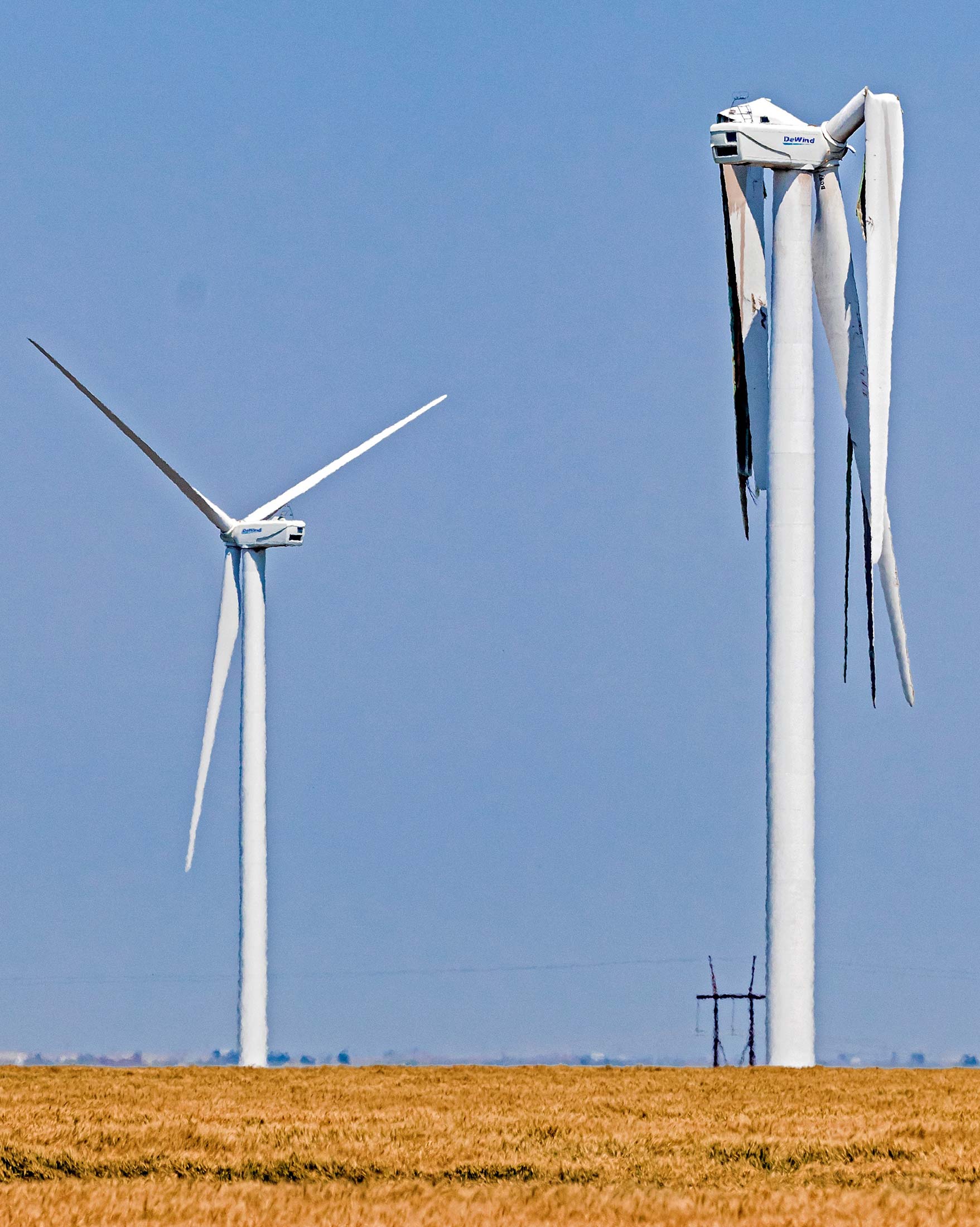
Hundreds of these things have spontaneously self-incinerated around the world, with the real potential to destroy life and property for miles around. But the wind industry and its government enablers, couldn’t care less. When turbines erupt in toxic fireballs, firefighters can only stand back and watch. When and wherever these things explode into balls of […]
Burn, Baby Burn: Why Firefighters Can’t Extinguish Wind Turbine Fires
German government collapses amid row over Net Zero targets
07 Nov 2024 Leave a comment
in economics of climate change, energy economics, environmental economics, environmentalism, global warming Tags: Germany

Net Zero climate dogmatism can seriously damage your country’s governance. German elections are expected as soon as March, six months ahead of schedule as the ‘traffic light coalition’ crumbles. Relentless pursuit of the so-called ‘energy transition’ hasn’t helped the economy, amid ever-rising energy costs. – – – Germany’s fragile government has collapsed after Olaf Scholz […]
German government collapses amid row over Net Zero targets
No Hopers: Inability to Deliver On Demand Makes Wind & Solar Utterly Pointless
07 Nov 2024 1 Comment
in energy economics, environmental economics, global warming Tags: solar power, wind power
Part-time power has no commercial value, which is why wind and solar are utterly pointless. Every single MW of wind or solar has to be “backed up” with another MW from a dispatchable source, which in the main means coal, gas, nuclear or hydro. Contemplate where your power comes from on a calm night, and […]
No Hopers: Inability to Deliver On Demand Makes Wind & Solar Utterly Pointless
Climate policy: Trump could quit Paris agreement – again
06 Nov 2024 1 Comment
in economics of climate change, energy economics, environmental economics, environmentalism, global warming, International law, politics - USA Tags: 2024 presidential election

All change for climate and energy policy again in the US as Trump declares victory in the Presidential election. A severe downgrade for government alarmism and linked policies looks inevitable. – – – Former President Trump has promised to take the US out of the Paris climate agreement – as he did briefly during his […]
Climate policy: Trump could quit Paris agreement – again
No, Fossil Fuels Are Not Being “Subsidised”
05 Nov 2024 Leave a comment
in applied price theory, energy economics, environmental economics, global warming
Whenever discussing renewables subsidies on the internet, there is a form of Godwin’s Law that means it is inevitable that someone will come along and say: “Ackshually, fossil fuels are subsidised more than renewables,” or words to that effect, as shown in this example. I have often thought the claim to be bogus, but until now had never dug into the detail to prove the case one way or the other.
No, Fossil Fuels Are Not Being “Subsidised”
Electric bin lorry bursts into flames in central London
31 Oct 2024 Leave a comment
in energy economics, environmental economics, global warming Tags: electric cars

By Paul Homewood h/t Philip Bratby Time to stop this madness before somebody dies: An electric bin lorry burst into flames on Monday, forcing roads across London’s West End to close. Specialist crews were deployed to the fire after the £580,000 electric lorry caught alight in the morning. The […]
Electric bin lorry bursts into flames in central London
Reeves to make Bank of England put climate change and growth on equal footing
31 Oct 2024 Leave a comment
in economics of bureaucracy, economics of climate change, energy economics, environmental economics, environmentalism, global warming, macroeconomics, monetary economics, Public Choice Tags: British politics, climate activists, climate alarmism, monetary policy

By Paul Homewood So much for the Bank’s much vaunted independence! Rachel Reeves is planning to make the Bank of England take climate change as seriously as growth, as the Chancellor seeks to use her maiden Budget to overhaul the economy. In a letter to Governor Andrew Bailey on Wednesday, Ms Reeves is […]
Reeves to make Bank of England put climate change and growth on equal footing
 Utopia, you are standing in it!
Recent Comments