TEDxEast – Tyler Cowen – The Great Stagnation
14 Oct 2020 Leave a comment
in applied price theory, development economics, economic growth, economic history, economics of education, economics of regulation, energy economics, environmental economics, financial economics, growth miracles, human capital, income redistribution, industrial organisation, international economics, labour economics, labour supply, macroeconomics, poverty and inequality, Public Choice, rentseeking, transport economics Tags: creative destruction, The Great Enrichment
.@BernieSanders @AOC @Greens @NZGreens
02 Oct 2020 Leave a comment
in business cycles, development economics, discrimination, economic growth, economic history, economics of bureaucracy, economics of crime, economics of education, Economics of international refugee law, economics of love and marriage, economics of regulation, economics of religion, energy economics, entrepreneurship, environmental economics, financial economics, fiscal policy, gender, global warming, growth disasters, growth miracles, health and safety, health economics, history of economic thought, human capital, income redistribution, industrial organisation, international economics, International law, job search and matching, labour economics, labour supply, law and economics, macroeconomics, Marxist economics, minimum wage, occupational choice, occupational regulation, politics - Australia, politics - New Zealand, politics - USA, poverty and inequality, privatisation, property rights, Public Choice, public economics, rentseeking, survivor principle, unemployment, unions, welfare reform Tags: Age of Enlightenment, moral psychology, offsetting behaviour, political psychology, regressive left, The fatal conceit, The Great Enrichment, unintended consequences, useful idiots

Climate Change | David Mitchell’s SoapBox
28 Sep 2020 Leave a comment
in energy economics, environmental economics, global warming
Anti-science left #globalwarming #climateemergency @AOC @Greenpeace @Greens @BernieSanders @NZGreens
27 Sep 2020 1 Comment
in energy economics, environmental economics, global warming Tags: Anti-Science left, climate alarmists, nuclear energy

Energy Production of the Entire World by Source between 1880 and 2020
25 Sep 2020 Leave a comment
in economic history, energy economics
Why China’s control of rare earths matters | FT
23 Sep 2020 Leave a comment
in defence economics, development economics, economic history, energy economics, environmental economics, growth miracles, industrial organisation, international economics, politics - USA, Public Choice Tags: China
The wages of sin in the #COVID19 reallocation shock; how is the vice fund doing?
21 Sep 2020 Leave a comment
in defence economics, economics of regulation, energy economics, environmental economics, financial economics, health economics

From https://www.bloomberg.com/quote/VICEX:US
USA Mutuals Vitium Global Fund seeks long-term growth of capital by investing in equity securities of companies that derive a significant portion of their revenues from a group of vice industries that includes the alcoholic beverages, defense/aerospace, gaming and tobacco industries. The Fund will concentrate at least 25% of its net assets in this group of four vice industries.
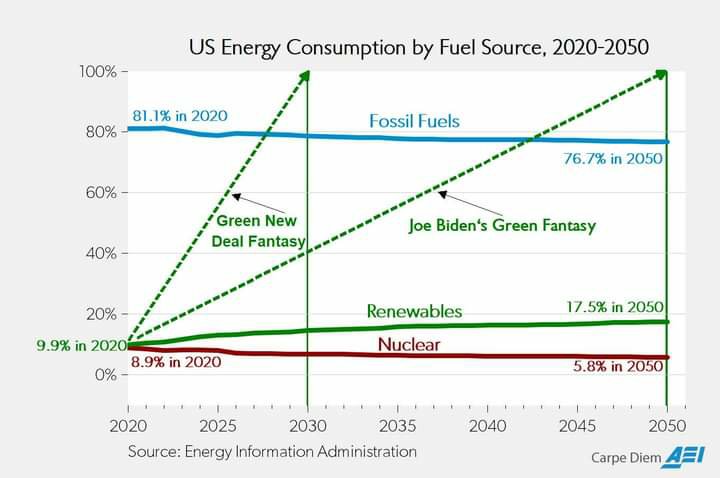
#GreenNewDeal @Greens @NZGreens @AOC @BernieSanders
20 Sep 2020 Leave a comment
in energy economics, environmental economics, global warming, politics - New Zealand, politics - USA, population economics Tags: 2020 New Zealand election, 2020 presidential election, The fatal conceit

Can You Go a Day Without Fossil Fuels?
18 Sep 2020 Leave a comment
in energy economics, environmental economics, global warming Tags: The fatal conceit
Juice: How Electricity Explains The World – Documentary Trailer #1
14 Sep 2020 Leave a comment
in development economics, economic history, economics of bureaucracy, energy economics, environmental economics, environmentalism, global warming, growth disasters, growth miracles, income redistribution, Marxist economics, politics - Australia, politics - New Zealand, politics - USA, Public Choice, rentseeking, technological progress Tags: climate alarmists, extreme poverty, pessimism bias, regressive left, The Great Escape
#globalwarming #climateemergency @GreenpeaceAP @Greens @AOC @BernieSanders @NZGreens
02 Sep 2020 Leave a comment
in energy economics, environmental economics, global warming, politics - Australia, politics - New Zealand, politics - USA Tags: climate alarmists, solar power, wind power

Thomas Schelling on #globalwarming, 2005
01 Sep 2020 Leave a comment
in applied welfare economics, development economics, economic history, economics of natural disasters, economics of regulation, energy economics, environmental economics, global warming, Thomas Schelling Tags: climate alarmists, pessimism bias
To a tee @NZGreens @Greens @AOC @BernieSanders
31 Aug 2020 Leave a comment
in economics of bureaucracy, economics of information, economics of regulation, energy economics, environmental economics, global warming, health economics, international economics, labour economics, law and economics, liberalism, libertarianism, Marxist economics, politics - Australia, politics - New Zealand, politics - USA, Public Choice, rentseeking, unions Tags: meddlesome preferences, political correctness, regressive left

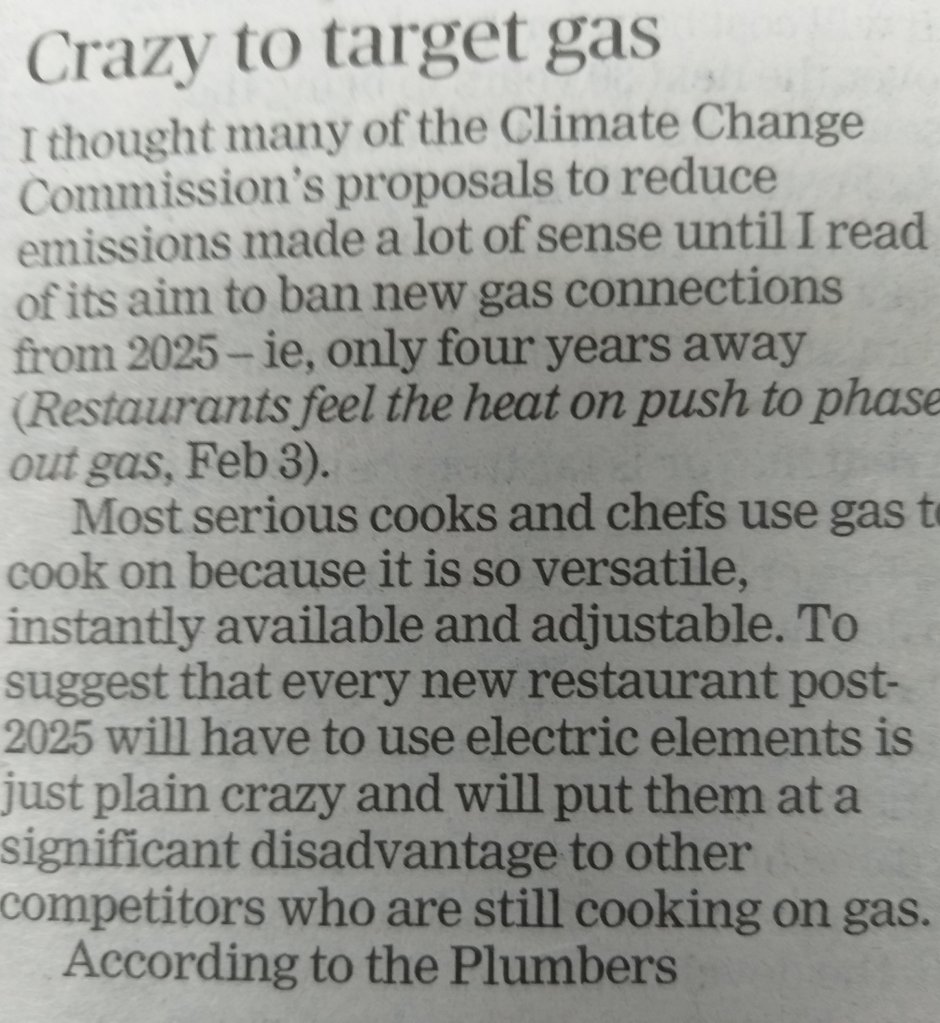
Gas has half the CO2 emissions of coal
25 Aug 2020 Leave a comment
in energy economics, environmental economics, global warming Tags: climate alarmists

see too https://www.eia.gov/energyexplained/natural-gas/natural-gas-and-the-environment.php
Natural gas is a relatively clean burning fossil fuel
Burning natural gas for energy results in fewer emissions of nearly all types of air pollutants and carbon dioxide (CO2) than burning coal or petroleum products to produce an equal amount of energy. About 117 pounds of carbon dioxide are produced per million British thermal units (MMBtu) equivalent of natural gas compared with more than 200 pounds of CO2 per MMBtu of coal and more than 160 pounds per MMBtu of distillate fuel oil. The clean burning properties of natural gas have contributed to increased natural gas use for electricity generation and as a transportation fuel for fleet vehicles in the United States.
Natural gas is mainly methane—a strong greenhouse gas
Some natural gas leaks into the atmosphere from oil and natural gas wells, storage tanks, pipelines, and processing plants. The U.S. Environmental Protection Agency estimates that in 2017, methane emissions from natural gas and petroleum systems and from abandoned oil and natural gas wells were the source of about 32% of total U.S. methane emissions and about 4% of total U.S. greenhouse gas emissions1. The oil and natural gas industry takes steps to prevent natural gas leaks.
Recent Comments