

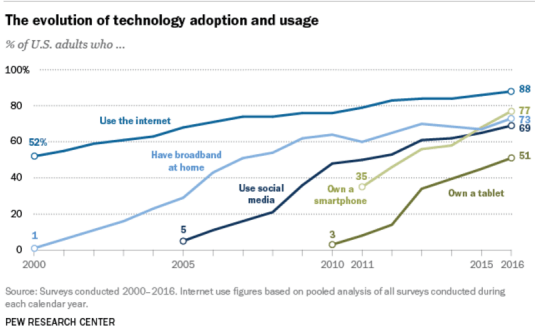
More on the emergence of a working rich
06 Feb 2017 Leave a comment
in entrepreneurship, financial economics, human capital, industrial organisation, labour supply, occupational choice, poverty and inequality, survivor principle Tags: superstars, top 1%


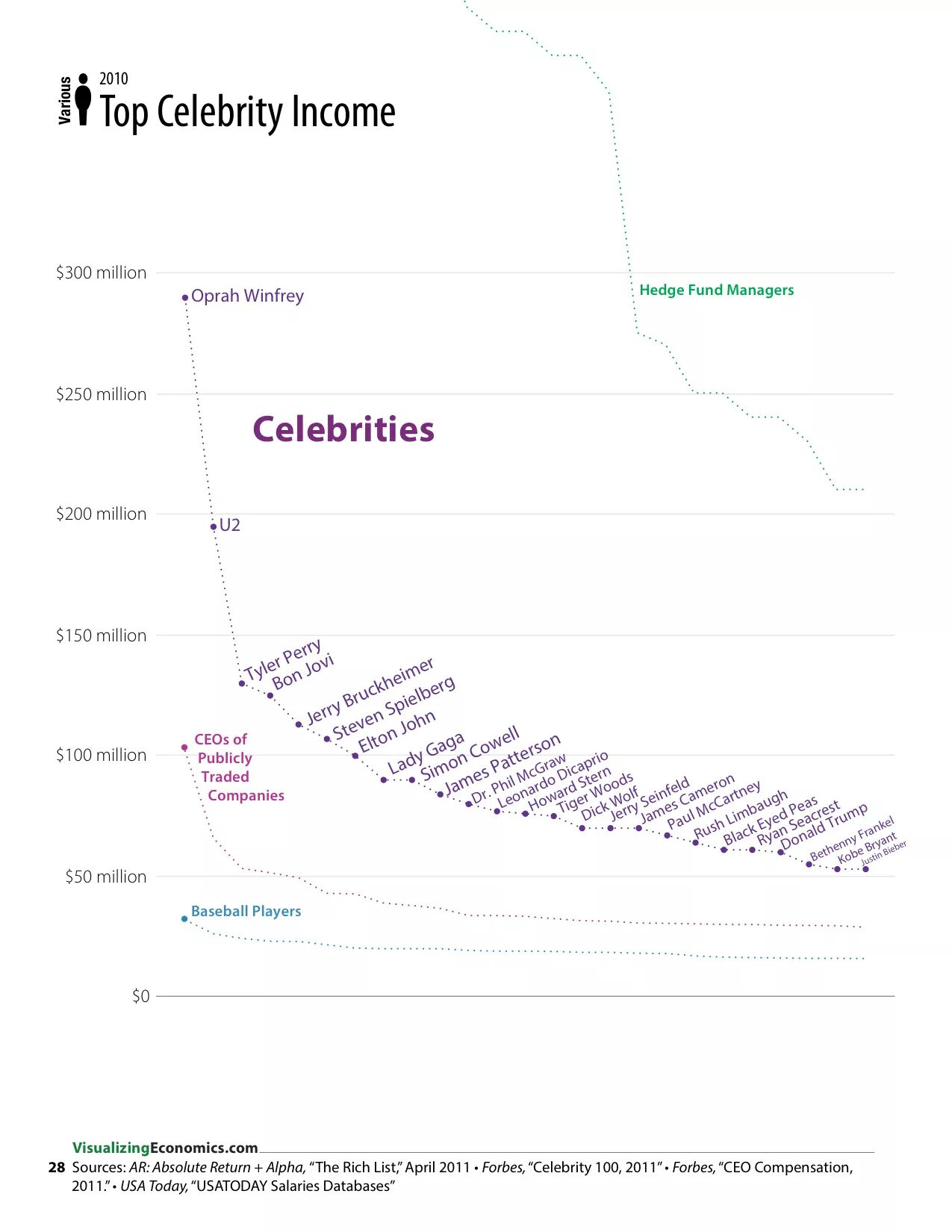
Will automation take away all our jobs?
31 Jan 2017 Leave a comment
in economic history, entrepreneurship, industrial organisation, labour economics Tags: automation, technological unemployment
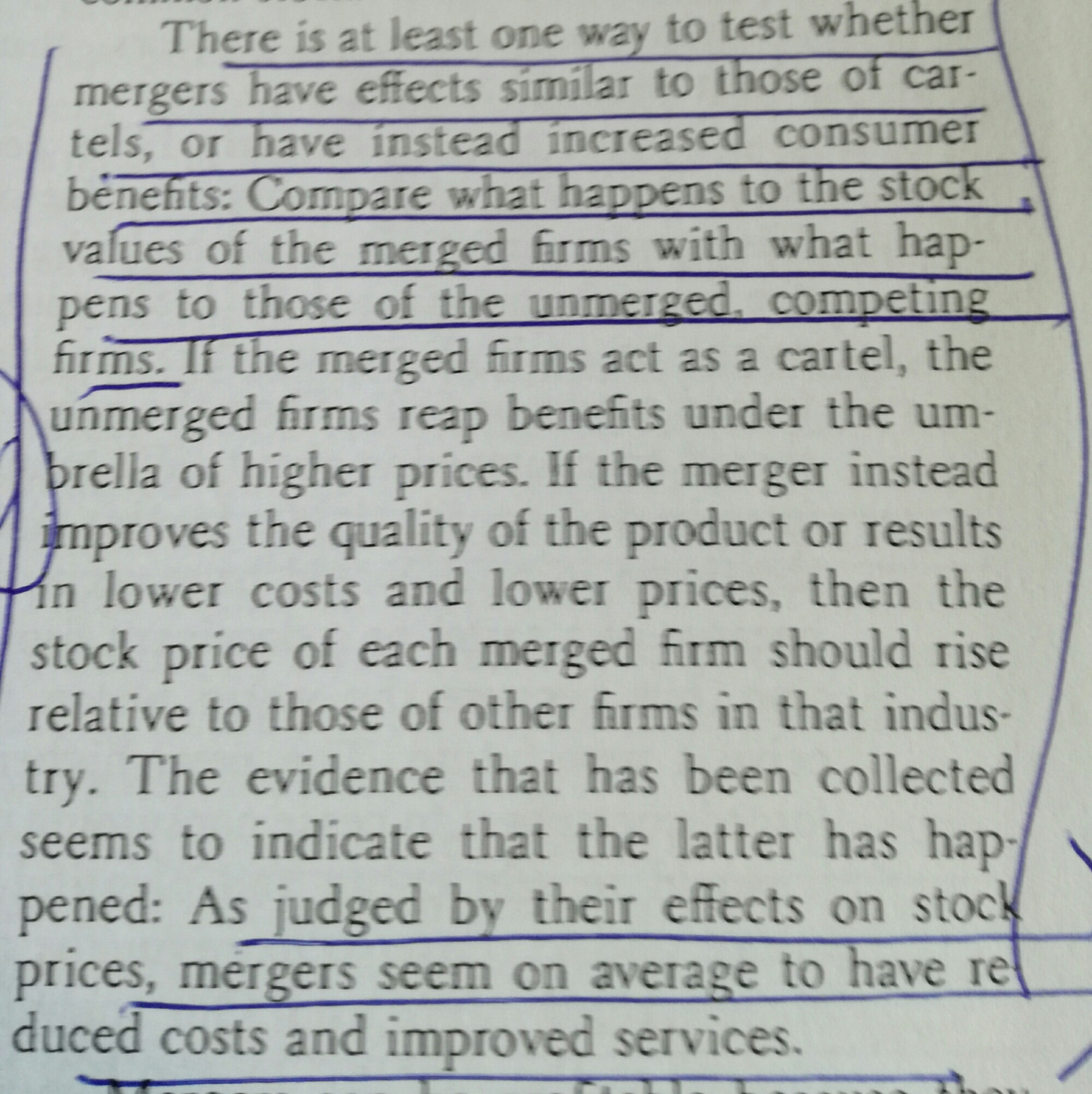
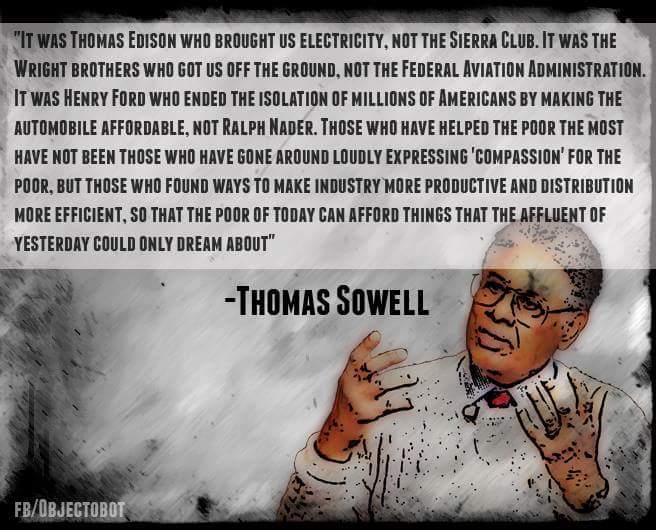
Trailblazers: The New Zealand Story – trailer
25 Jan 2017 1 Comment
in comparative institutional analysis, constitutional political economy, economic history, economics of regulation, entrepreneurship, fiscal policy, industrial organisation, macroeconomics, survivor principle Tags: economic reform
The revolution in hiring practices
25 Jan 2017 Leave a comment
in entrepreneurship, job search and matching, labour economics, personnel economics Tags: job matching, job search
Times have changed since a 1930s Philadelphia dockyard foreman hired day labour by throwing apples over the front gate (Jacoby 1985, p. 13). Whoever waiting outside caught them passed the physical and the initiative test too. In the 1960s, Ford had a waiting lounge at its factory gate:
“If we had a vacancy, we would look outside in the plant waiting room to see if there were any warm bodies standing there. If someone was there and they looked physically OK and weren’t an obvious alcoholic, they were hired” (Murnane and Levy 1996, p. 19).
These rather casual approaches to the screening of applicant quality and job fit are well behind us.

There has been a revolution in how private and public employers husband employees at all pay grades. Human resource management gained ground in the 1980s at the expense of old style personnel management (Acemoglu 2002). Strategic human resource management stresses rigorous selection and recruitment, more training at induction and on the job, more teamwork and multi-skilling, better management-worker communication, the encouragement of employee suggestions and innovation, and common canteens and uniforms as unifying status symbols (Lazear 1998).
Modern human resource management strives for a single unified organisational culture made up of highly committed, capable workers who pull together at their own initiative (Baron and Kreps 1999). This pays because, for example, the share prices of firms rise on the announcement of family-friendly policies and the winning of good employer awards (Arthur and Cook, 2004, 2009).

Tyler Cowen – The Great Stagnation
21 Jan 2017 Leave a comment
in applied price theory, development economics, economic history, entrepreneurship, human capital, labour supply Tags: creative destruction, great stagnation


 Utopia, you are standing in it!
Recent Comments