Trekonomics: The Final Frontier (w/ Manu Saadia)
09 May 2016 Leave a comment
in applied price theory, applied welfare economics, Austrian economics, comparative institutional analysis, constitutional political economy, development economics, economics of regulation, environmental economics, history of economic thought, industrial organisation, international economics, law and economics, property rights Tags: star trek
Had we hit peak wind turbine technician demand?
09 May 2016 Leave a comment
in energy economics, environmental economics, global warming, labour economics, labour supply, occupational choice Tags: Big Wind, green rent seeking, renewable energy, wind power
Doubling from 4,400 to 9,000 does not exactly strike me as an explosion in wind technician employment.

Source: Wind Turbine Technicians : Occupational Outlook Handbook: : U.S. Bureau of Labor Statistics.
Yet still this occupation is expected to be the fastest-growing occupation in the USA in the next 10 years.
The Coase Theorem
08 May 2016 Leave a comment
in applied price theory, applied welfare economics, Austrian economics, comparative institutional analysis, constitutional political economy, economics of regulation, environmental economics, history of economic thought, industrial organisation, law and economics, property rights, Ronald Coase Tags: Coase theorem
Pierre Desrochers explains why the ‘buy local’ food movement overstates environmental benefits
08 May 2016 Leave a comment
in applied price theory, applied welfare economics, development economics, economic history, economics of media and culture, environmental economics, growth disasters, growth miracles, health economics, industrial organisation, transport economics Tags: food miles
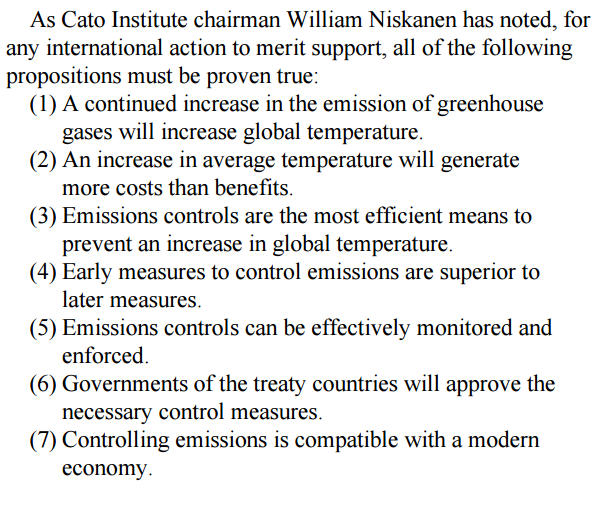
When is international action on global warming justified?
07 May 2016 Leave a comment
in applied price theory, development economics, energy economics, environmental economics, global warming Tags: carbon tax, carbon trading, climate alarmism, global warming
Recycling Dumpster Diving: A "Victimless" Crime?
06 May 2016 Leave a comment
in applied price theory, economics of crime, environmental economics, law and economics, property rights Tags: recycling

“Each week my family separates our recyclables from our regular trash. The former are put in our blue bin and are placed out on the curb for pickup on Wednesday mornings.
Last Tuesday night, I walked to Westwood Village to attend a dinner when I saw two individuals diving into all of my neighbours’ recycling bins (which were on the street curb) to extract the recyclables.
These "entrepreneurs" had a large truck filled with plastic bottles and aluminium cans that they were clearly loading up to take to a place to collect the recyclables fees. Is this a crime?
I view it as an economic crime for the following reason. The only reason this "trash treasure" was easy to access in the blue bins on the street was because the well meaning law abiding citizens wasted their time sorting their trash and kindly placing it outside.
Our tax dollars goes to the unionized guys who drive the recyclable trucks to pick this stuff up. If there is nothing to pick up, because the pirates have stolen the treasure, then recyclable trucks are losing $ as they are bringing in no revenue. So, this operating profit loss is just a transfer from the city to the pirates. My tax dollars and my time are being used to transfer $ to pirates.
The environment is no cleaner and is likely to dirtier because of the duplication of transportation (the recycling truck and the dirty private pirate trucks). I saw the same thing in Berkeley. What is to be done? A green cop shooting tranquilizer darts?”
Source: Environmental and Urban Economics: Recycling Dumpster Diving: A "Victimless" Crime?
How green art thou? #buswaysforelectriccars not #BuswaysForBuses
06 May 2016 Leave a comment
in energy economics, environmental economics, environmentalism, politics - New Zealand, transport economics, urban economics Tags: busways, do gooders, electric cars, expressive politics, global warming, trade-offs, transport lobby
Finally have something nice to say about electric cars. They will put bus lanes to good use.
A trivial percentage of people take the bus to work In New Zealand. The government has a target of doubling electric car fleet every year (from 2000 in 2016 to 64,000 in 2021).
This decision yesterday to allow them to use busways allows us to relish in seeing environmentalists feud over which technologies are green enough to have access to priority lanes on the road such as those allocated to buses.
Which is more important? Saving the planet or saving the buses; most of them are diesel? Busways are empty at the weekends and many other times.
Are We Running Out of Resources? #peakoil @greenpeace
04 May 2016 Leave a comment
in economics of media and culture, energy economics, environmental economics Tags: peak oil, pessimism bias
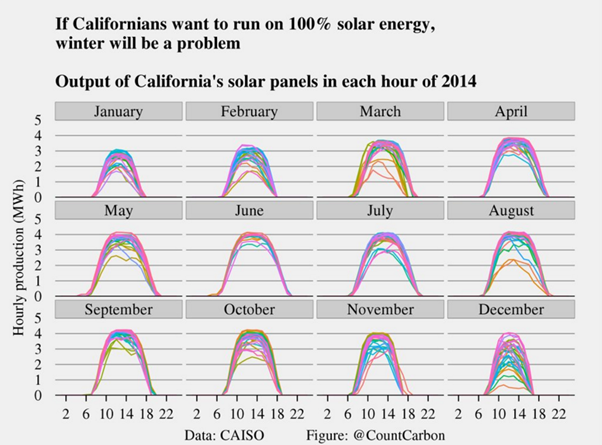
When countries *do* tax carbon, it’s usually $15/ton or less @GreenCatherine @RusselNorman @Greenpeacenz
30 Apr 2016 Leave a comment
in energy economics, environmental economics, global warming Tags: carbon price, carbon tax, carbon trading, expressive voting
The renewable energy curse – does corruption turn clean energy into dirty? @GarethMP
30 Apr 2016 Leave a comment
in comparative institutional analysis, constitutional political economy, energy economics, environmental economics, global warming, Public Choice, rentseeking Tags: European Union, expressive voting, green rent seeking, Italy, renewable energy, solar power, wind power
Massimo Tavoni and Caterina Gennaioli published a nice paper showing that corruption and violence was higher in the high wind provinces of Italy after the installation of wind generators. They built on earlier work about countries with abundant renewable resources and weak institutions. The main question in their paper
… is whether an increase in the expected returns of investments in wind energy, following the introduction of the new policy regime based on a green certificate system, has driven economic agents, namely bureaucrats and entrepreneurs, to engage more in rent seeking activities.
As they studied Italy, there is no surprise about the answer which was yes. High winds ensure high returns of the wind farm investment, but whether this translates into more bribery depends on institutional quality. There was more corruption, and so especially in high-wind provinces of Italy.
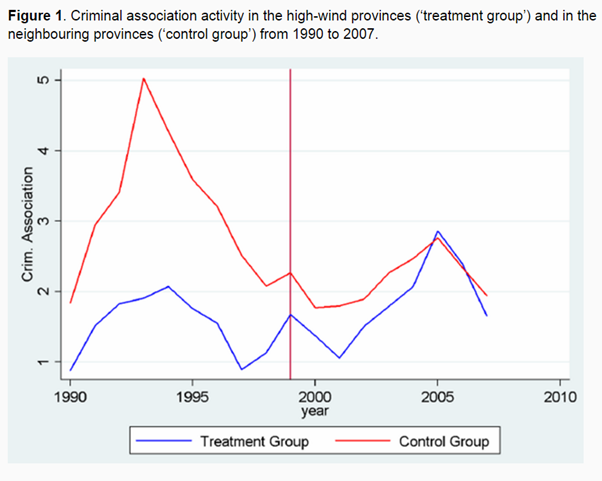
Source: Green policy and corruption | VOX, CEPR’s Policy Portal.
The construction of an average wind park is associated with an increase of criminal association activity of 6%. Italy will have more corruption than elsewhere in the old European Union.
The wider problem is renewable energy is a celebrity technology. In the context of expressive politics, so many cheer for solar and wind power that standards drop in terms of who qualifies for subsidies and who should lose support when their investments do not turn out as promised.
https://twitter.com/CountCarbon/status/715136022414299138
Wind power is not new, it is intermittent, is unsuitable for modern work, and is land constrained but it is still subsidised. Green rent seeking is a real risk even in countries with the best political institutions.
Oops, I overestimated the cost of doing nothing about global warming
28 Apr 2016 Leave a comment
in applied price theory, applied welfare economics, environmental economics, global warming, Public Choice Tags: carbon pricing, carbon tax, climate alarmism, cost benefit analysis, expressive voting, mitigation and adaptation, rational irrationality
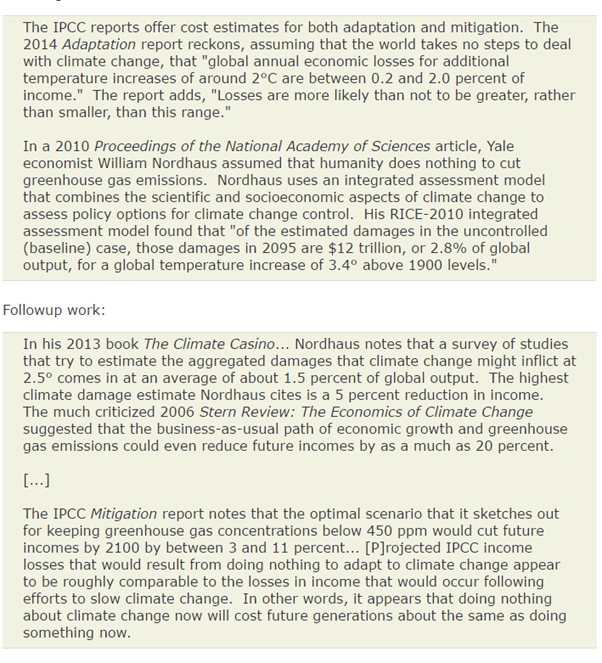
Source: Global Warming, Cost-Benefit Analysis, and The End of Doom, Bryan Caplan | EconLog | Library of Economics and Liberty from Ron Bailey (2016) The End of Doom: Environmental Renewal in the Twenty-first Century.
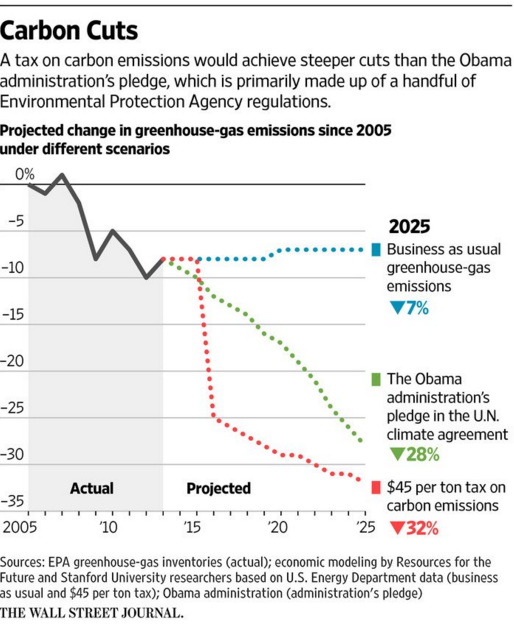
Environmentalists are the biggest science deniers of all #EarthDay
24 Apr 2016 Leave a comment
in economics of regulation, energy economics, environmental economics, global warming, Public Choice, rentseeking Tags: antimarket bias, antiscience left, green rent seeking, Greenpeace, nuclear power, pessimism bias, rational irrationality, wind power

 Utopia, you are standing in it!
Recent Comments