London Smog 1959
23 Mar 2015 Leave a comment
in economic history, environmental economics, environmentalism Tags: London, London smog
The Guardian on the strength of the scientific consensus on global warming and on GMOs
22 Mar 2015 Leave a comment
in environmental economics, health economics, politics - Australia, politics - New Zealand, politics - USA

I marvel at the ability of The Guardian to launch a diatribe against science deniers on GMOs, and not mention that most of them come from the left-wing of politics and the Greens and the environmental movement.
There is no housing bubble in US cities with a flexible land supply
21 Mar 2015 Leave a comment
in applied price theory, economics of regulation, environmental economics, politics - New Zealand, politics - USA, urban economics Tags: land supply, land use regulation, RMA, supply and demand, zoning

In areas with a readily available supply of land on which to construct new homes—either because of geography or few land-use restrictions—builders have been sensitive to increases in local demand and existing-home prices. When existing houses rise in price relative to the cost of new homes, prospective buyers are willing and able to buy new units.
Supply conditions determine how house price and construction react to shifting demand. When housing demand rises—perhaps due to rising incomes, lower mortgage interest rates or easier credit standards—the outward shift in demand produces sharply higher house prices with a small increase in the supply of newly built units in areas with less-plentiful land. By comparison, when there is a more-plentiful land supply, the amount of housing is more supply sensitive and a rise in demand results in a less-pronounced rise in house prices and a greater increase of newly constructed homes.
As a result, house prices rise less in these supply-sensitive areas during booms and they fall less in downturns. Similarly, prices swing more and homebuilding varies less in regions with less-sensitive housing supply.


Radiation in Perspective
21 Mar 2015 Leave a comment
On burden of proof
20 Mar 2015 Leave a comment
in environmental economics, environmentalism, global warming, liberalism, rentseeking Tags: climate alarmism, conjecture and refutation, green rent seeking, philosophy of science, precautionary principle
Global temperatures since 2500 BC
20 Mar 2015 2 Comments
in environmental economics, global warming Tags: climate alarmism, global cooling, global warming
Why masterly inactivity will be the American response to global warming
20 Mar 2015 1 Comment
in energy economics, environmental economics, environmentalism, global warming, Public Choice Tags: climate alarmism, global warming, green rent seeking, opinion polls, voting
The Green Left versus world hunger
20 Mar 2015 Leave a comment
in development economics, economics of information, economics of media and culture, economics of regulation, environmental economics, growth disasters, growth miracles, health economics Tags: extreme poverty, global poverty, GMOs, Green Left, Leftover Left, world poverty
The Moral Case For Investing, Not Divesting, In Fossil Fuels
19 Mar 2015 Leave a comment
in development economics, energy economics, environmental economics Tags: fossil fuel disinvestment

Who will be the real victims of global warming (and what can they do about it)
19 Mar 2015 2 Comments
in development economics, environmental economics, global warming, growth disasters, growth miracles Tags: climate alarmists, global warming, richer is safer, Tom Schelling, wealthier is healthier

Tom Schelling argues that the best way for underdeveloped countries to defend against the adverse effects of climate change is to develop as rapidly as they can.
The carbon footprint of the round the world solar flight should include its support planes
18 Mar 2015 Leave a comment
in environmental economics, global warming, technological progress, transport economics Tags: carbon footprint, climate alarmism, expressive voting, global warming, solar flight, solar power
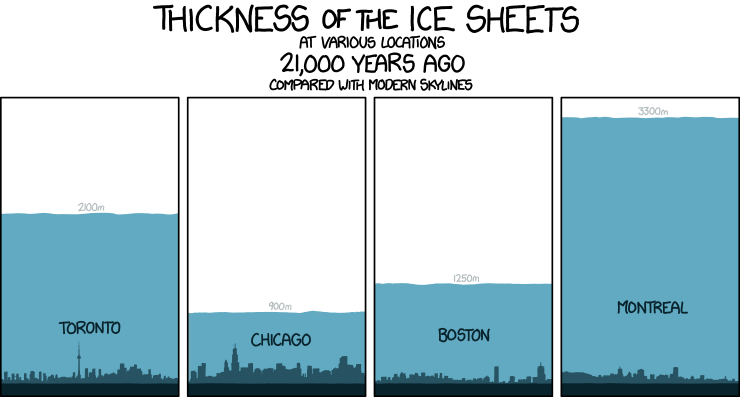
Now this is the climate change that is scary, really scary
18 Mar 2015 Leave a comment
in environmental economics, global warming Tags: global cooling, global warming, Little ice age, next ice age
Europe’s Climate Fail
17 Mar 2015 Leave a comment
in environmental economics, politics - USA Tags: Carbon cap, carbon tax, carbon trading, European Union
Europe’s rate of decarbonization was essentially identical before and after the ETS was introduced. If the program has effects, decarbonization has not been detectable beyond historical business-as-usual rates.

HT: http://thebreakthrough.org/index.php/voices/roger-pielke-jr/europes-climate-fail

 Utopia, you are standing in it!
Recent Comments