I’ve written a couple of times about information interventions designed to attract more female students to study economics (see here and here). The results have generally been disappointing. That shouldn’t be too much of a surprise. If it was really simple to get people to change their behaviour with information, then advertising would be far…
Some weak evidence in favour of an information intervention in economics to close the gender gap
Some weak evidence in favour of an information intervention in economics to close the gender gap
05 May 2025 Leave a comment
in applied price theory, discrimination, econometerics, economics of education, experimental economics, gender, labour economics, labour supply, occupational choice Tags: gender gap, sex discrimination
Smith Reviews Stiglitz
24 Apr 2025 Leave a comment
in applied price theory, Austrian economics, comparative institutional analysis, economics of information, economics of regulation, entrepreneurship, experimental economics, history of economic thought, industrial organisation
Vernon Smith reviews Joe Stiglitz’s book The Road to Freedom: Stiglitz did work in the abstract intellectual theoretical tradition of neoclassical economics showing how the standard results were changed by asymmetric or imperfect information. He is oblivious, however, to the experimental lab and field empirical research showing that agent knowledge of all such information is […]
Smith Reviews Stiglitz
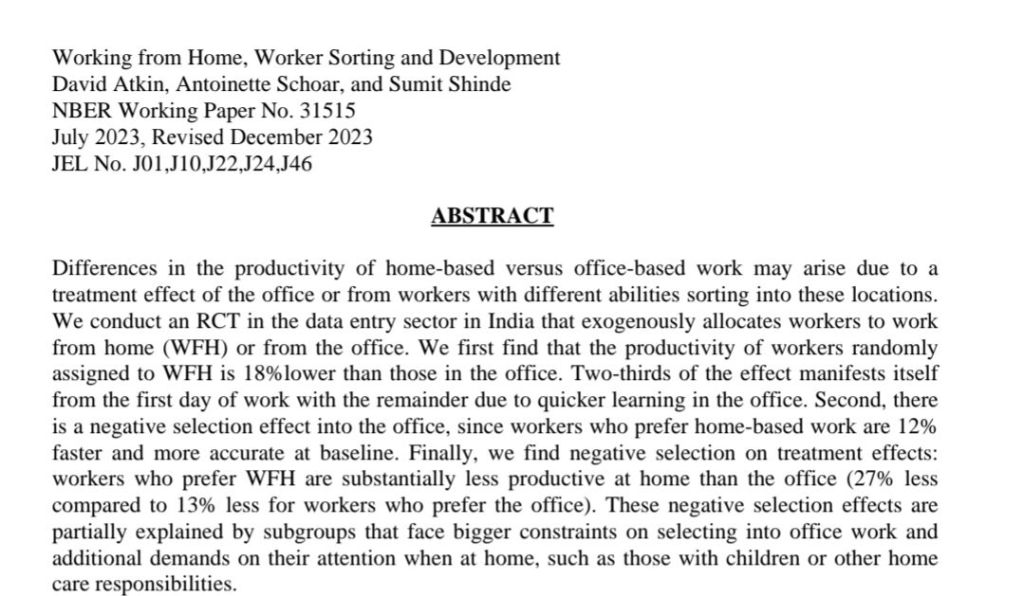
A negative productivity shock from working from home
08 Feb 2025 Leave a comment
in applied price theory, experimental economics, industrial organisation, labour economics, labour supply, managerial economics, occupational choice, organisational economics, personnel economics Tags: economics of pandemics
When politicians campaign on competition, be very worried
31 Jan 2025 Leave a comment
in applied price theory, applied welfare economics, Armen Alchian, Austrian economics, comparative institutional analysis, economics of information, economics of regulation, entrepreneurship, experimental economics, history of economic thought, law and economics, politics - New Zealand, property rights Tags: competition law
Targeting big existing businesses may be tempting to politicians, but ensuring market openness will do more good Eric Crampton writes – It’s fair to say that economists like competition. It’s also fair to say that when politicians start talking about competition, economists ought to get a little bit nervous.
When politicians campaign on competition, be very worried
The RCT Agenda
12 Mar 2024 Leave a comment
in applied price theory, applied welfare economics, comparative institutional analysis, development economics, econometerics, economic history, economics of bureaucracy, economics of education, economics of information, economics of regulation, experimental economics, growth disasters, growth miracles, history of economic thought, human capital, labour economics, labour supply, law and economics, managerial economics, market efficiency, Marxist economics, occupational choice, organisational economics, property rights, Public Choice, public economics Tags: The fatal conceit

Randomized Controlled Trials: Could you be any more scientific? The book I’m now writing, Unbeatable: The Brutally Honest Case for Free Markets, insists that the randomistas of the economics profession actually have a thinly-veiled political agenda. Namely: To get economists to humbly serve the demagogues that rule the world instead of bluntly challenging their unabated…
The RCT Agenda
Interview with Angus Deaton: Critiques of Cosmopolitan Prioritarianism and Randomized Control Trials
25 Dec 2023 Leave a comment
in applied price theory, development economics, econometerics, experimental economics, growth disasters, growth miracles, history of economic thought
David A. Price of the Richmond Fed carries out an interview titled “Angus Deaton: On deaths of despair, randomized controlled trials, and winning the Nobel Prize” (Econ Focus: Federal Reserve Bank of Richmond, Fourth Quarter 2023, pp. 18-22). Here are a few of Deaton’s comments that caught my eye: On his shift from “cosmopolitan prioritarianism” to…
Interview with Angus Deaton: Critiques of Cosmopolitan Prioritarianism and Randomized Control Trials
Terry Anderson on Native American Economics 12/19/2016
07 Nov 2021 Leave a comment
in comparative institutional analysis, constitutional political economy, defence economics, development economics, economic history, economics of regulation, energy economics, experimental economics, growth disasters, history of economic thought, human capital, industrial organisation, labour economics, labour supply, law and economics, occupational choice, poverty and inequality, property rights, survivor principle, welfare reform
Randomized Control Trials in the Field of Development: A Critical Perspective (Webinar)
05 Feb 2021 Leave a comment
in applied price theory, applied welfare economics, comparative institutional analysis, development economics, econometerics, economics of bureaucracy, economics of information, experimental economics, history of economic thought, Public Choice Tags: philosophy of science, The fatal conceit
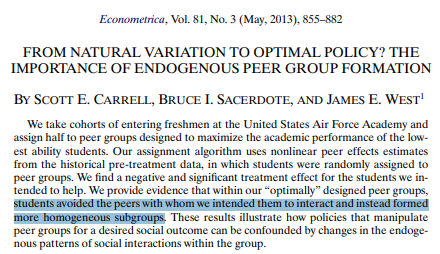
The two words missing from @TheAusInstitute tweet on #globalwarming #climateemergency in Western Sydney
04 Jan 2020 Leave a comment
in economics of climate change, energy economics, experimental economics, global warming, politics - Australia
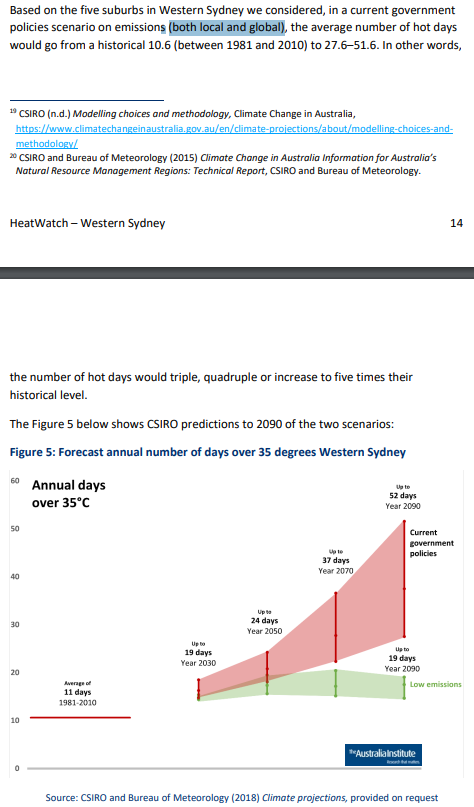
When the lab rats are smarter
12 Nov 2019 Leave a comment
in applied price theory, behavioural economics, econometerics, economics of information, experimental economics, industrial organisation Tags: The fatal conceit
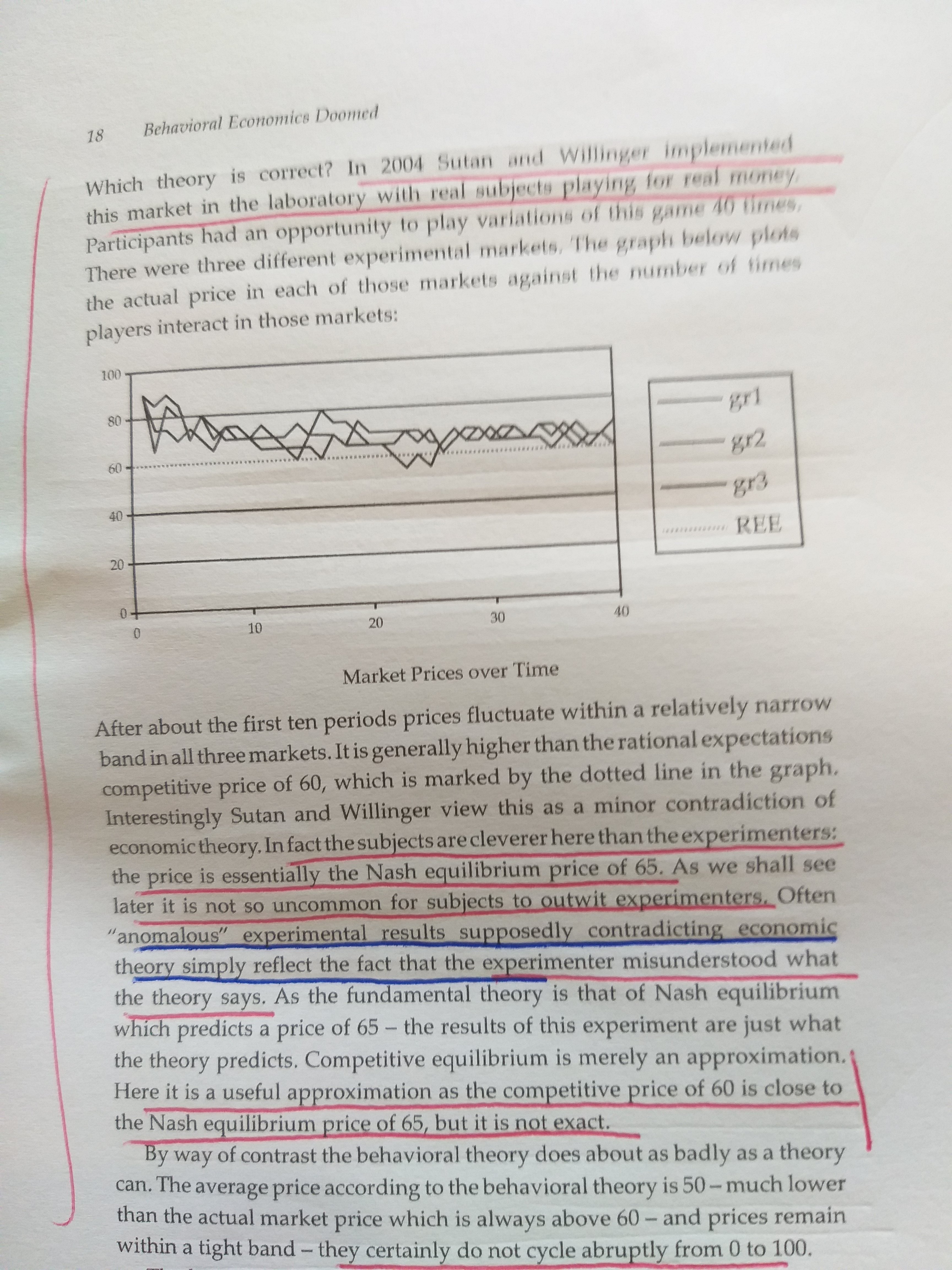
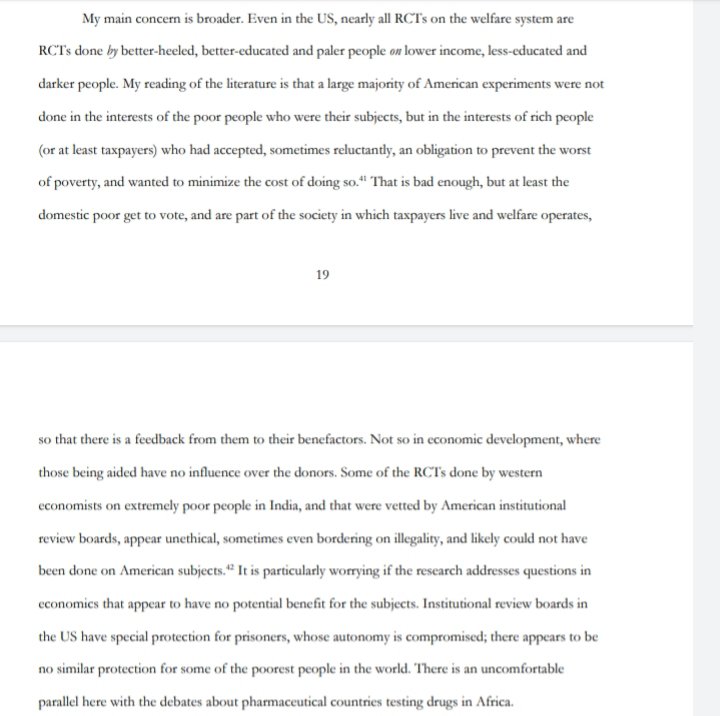
Angus Deaton on randomised trials and the class war
03 Nov 2019 Leave a comment
in applied price theory, applied welfare economics, comparative institutional analysis, development economics, econometerics, economics of bureaucracy, experimental economics, growth disasters, growth miracles, labour economics, law and economics, Public Choice Tags: The fatal conceit
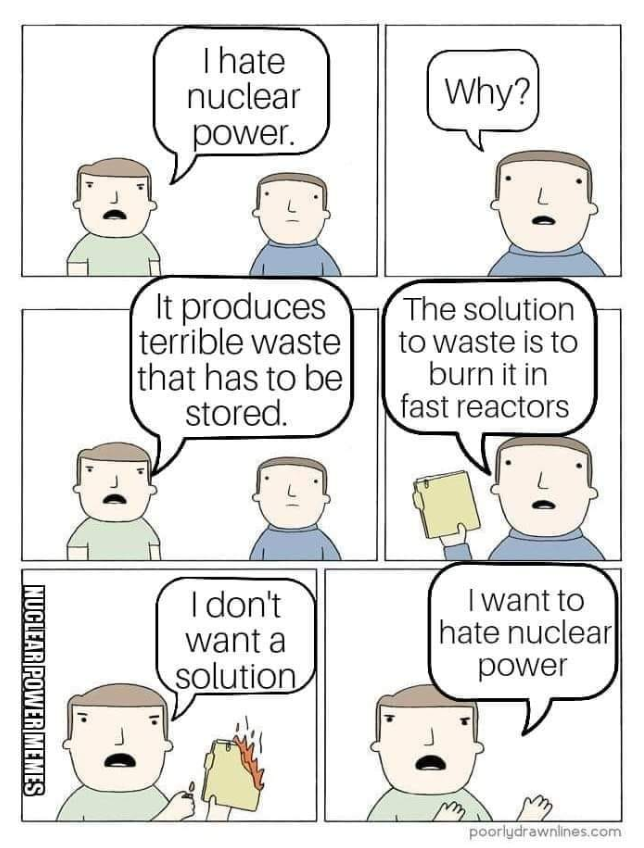
Anti-Science Left in a nutshell despite a #ClimateEmergency
04 Sep 2019 Leave a comment
in energy economics, experimental economics, global warming
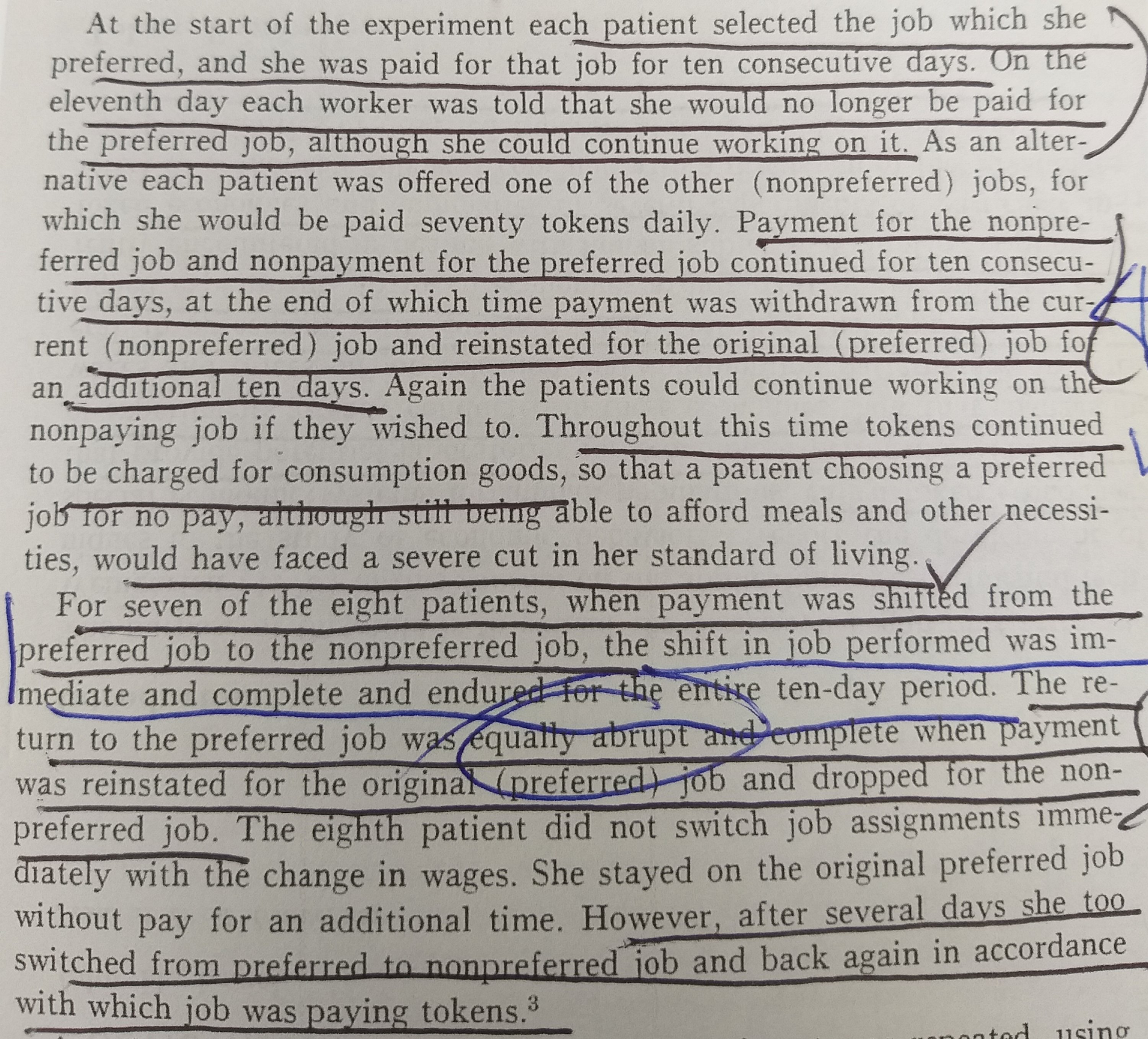
Can behavioural economists explain why incentives work in an asylum for the criminally insane
07 Aug 2019 Leave a comment
in applied price theory, behavioural economics, comparative institutional analysis, experimental economics, health economics, labour economics, labour supply, occupational choice Tags: economics of mental illness, token economies
 Utopia, you are standing in it!
Recent Comments