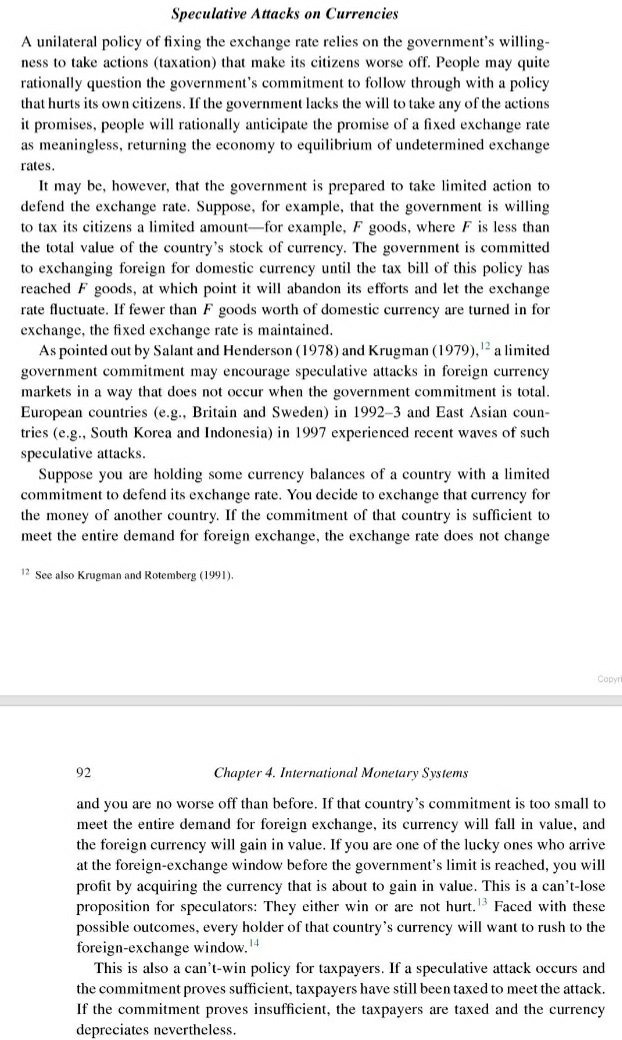
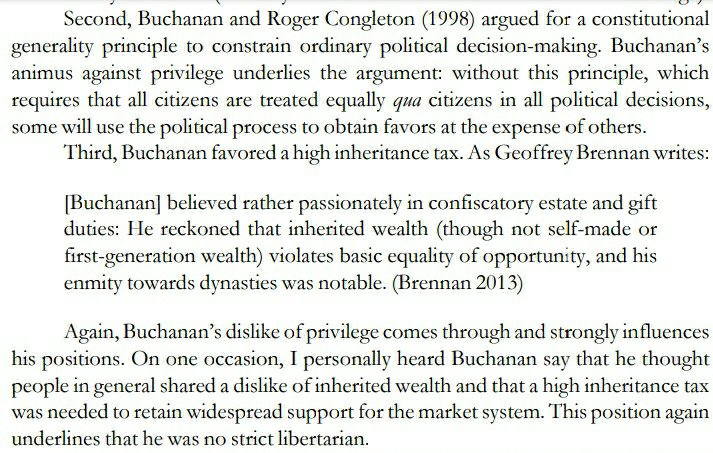
Debate: Abolish Banking Insurance?
10 Nov 2021 Leave a comment
in applied price theory, applied welfare economics, business cycles, economic history, economics of bureaucracy, financial economics, great depression, Ludwig von Mises, monetary economics, Public Choice Tags: deposit insurance, moral hazard
Monetary-Fiscal Interactions: Eric Leeper Interviewed by Jan Libich
09 Nov 2021 Leave a comment
in budget deficits, business cycles, economic growth, economic history, financial economics, fiscal policy, history of economic thought, macroeconomics, monetarism, monetary economics Tags: inflation, monetary policy, rational expectations
The reduced supply of safe assets
07 Nov 2021 Leave a comment
in applied price theory, budget deficits, business cycles, economic growth, economic history, Euro crisis, financial economics, fiscal policy, global financial crisis (GFC), great recession, history of economic thought, international economics, law and economics, macroeconomics, monetarism, monetary economics, public economics Tags: monetary policy
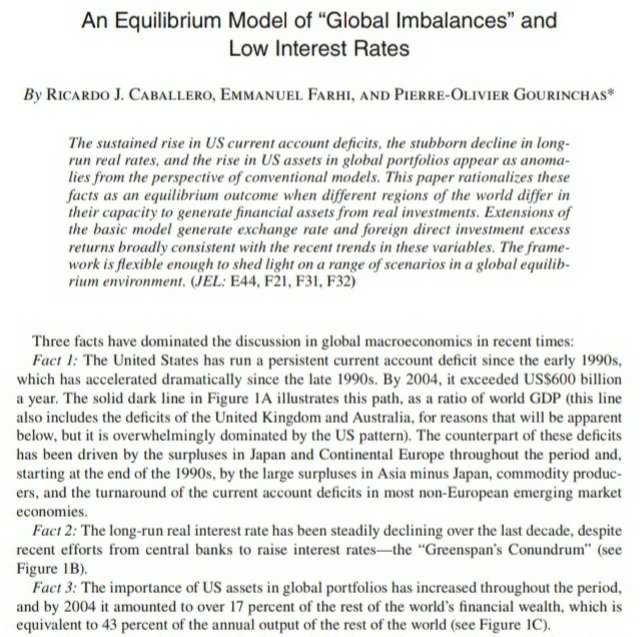
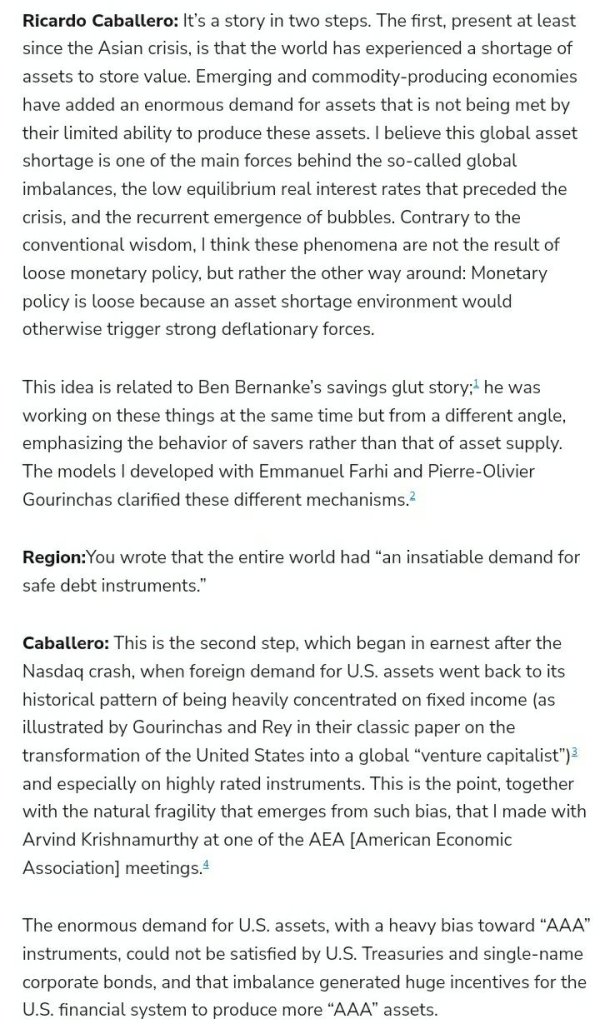
The chicken and the egg
07 Nov 2021 Leave a comment
in business cycles, econometerics, economic history, financial economics, history of economic thought, macroeconomics, monetarism, monetary economics Tags: inflation, monetary policy
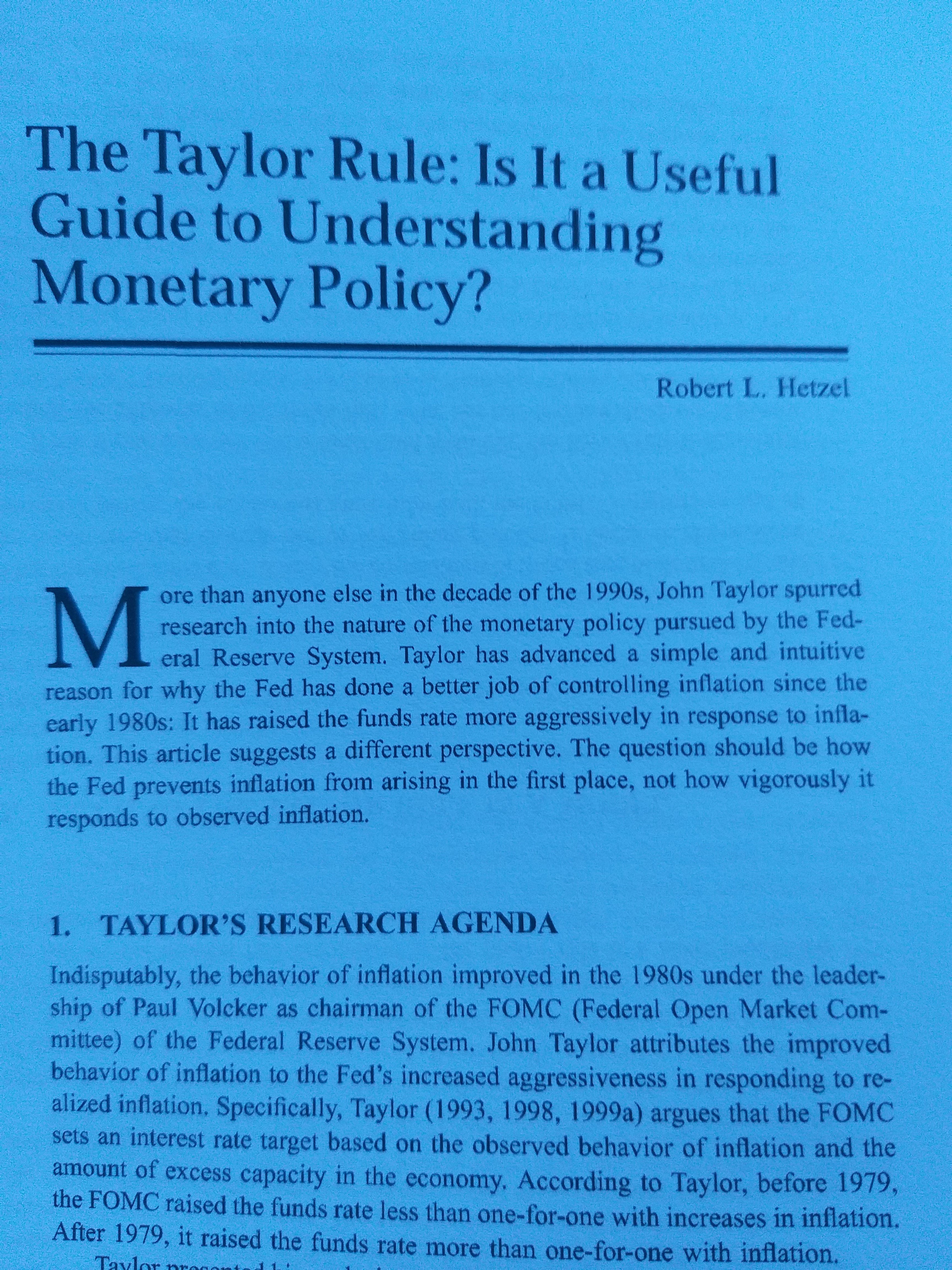
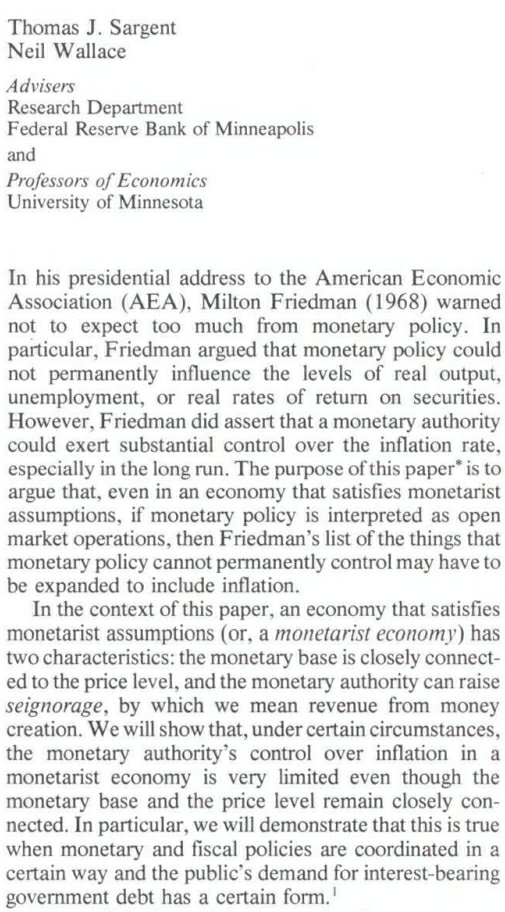
Determining the Value of Money: Next Steps for the Fiscal Theory of the Price Level
07 Nov 2021 Leave a comment
in applied price theory, budget deficits, business cycles, economic growth, economic history, Euro crisis, financial economics, fiscal policy, global financial crisis (GFC), great recession, history of economic thought, macroeconomics, Milton Friedman, monetarism, monetary economics, Robert E. Lucas Tags: inflation, monetary policy
Israel 1983: A bout of unpleasant monetarist arithmetic
06 Nov 2021 Leave a comment
in budget deficits, economic history, financial economics, fiscal policy, history of economic thought, macroeconomics, monetarism, monetary economics Tags: hyperinflation, inflation

David Friedman on Triple V Voluntary Fractional Reserve Banking, Anarchy, Fiat Currency
03 Nov 2021 Leave a comment
in applied price theory, applied welfare economics, business cycles, comparative institutional analysis, constitutional political economy, David Friedman, economics of crime, financial economics, history of economic thought, macroeconomics, monetary economics, property rights
The High Cost of Good Intentions with John F. Cogan: Perspectives on Policy
31 Oct 2021 Leave a comment
in economic history, entrepreneurship, financial economics, history of economic thought, human capital, income redistribution, industrial organisation, labour economics, labour supply, occupational choice, occupational regulation, poverty and inequality, Public Choice, survivor principle, unemployment, welfare reform Tags: taxation and labour supply

 Utopia, you are standing in it!
Recent Comments