Thomas J. Sargent speaks on Euro Crisis
18 May 2019 Leave a comment
in applied price theory, budget deficits, business cycles, currency unions, economic growth, economic history, economics of bureaucracy, economics of information, economics of regulation, Euro crisis, financial economics, fiscal policy, global financial crisis (GFC), great recession, history of economic thought, international economics, International law, law and economics, macroeconomics, monetary economics, property rights, Public Choice, public economics, rentseeking Tags: moral hazard, sovereign debt crises, sovereign defaults, Thomas Sargent
Tom Sargent Honorary Degree Lecture on the Eurocrisis
16 May 2019 Leave a comment
in budget deficits, business cycles, comparative institutional analysis, currency unions, economic growth, economic history, economics of bureaucracy, Euro crisis, financial economics, global financial crisis (GFC), great recession, history of economic thought, law and economics, macroeconomics, monetary economics, politics - USA, Public Choice, public economics, rentseeking Tags: banking panics, moral hazard
Warren Buffett: I’m not buying the Uber IPO, but I’ve never bought any IPO
10 May 2019 Leave a comment
in entrepreneurship, financial economics, transport economics Tags: active investing, passive investing
Why Warren Buffett Said No to Lehman and AIG in 2008
08 May 2019 Leave a comment
in economic history, entrepreneurship, financial economics, global financial crisis (GFC), great recession, macroeconomics, monetary economics Tags: banking panics
Gambling for Redemption and Self-fulfilling Debt Crises
06 May 2019 Leave a comment
in budget deficits, business cycles, currency unions, economic growth, economic history, Euro crisis, financial economics, global financial crisis (GFC), great depression, great recession, international economic law, International law, law and economics, macroeconomics, monetary economics, Public Choice, rentseeking Tags: banking panics, sovereign debt crises
2. Tell a New Story – Doughnut Economics or @KateRaworth is a @MontPelerinSoc conspiracy theorist
03 May 2019 Leave a comment
in business cycles, discrimination, economic growth, economic history, economics of regulation, F.A. Hayek, financial economics, gender, global financial crisis (GFC), human capital, international economics, labour economics, labour supply, law and economics, macroeconomics, Milton Friedman, occupational choice, Public Choice Tags: conspiracy theories, conspiracy theorists
Top economists still dewy eyed about deposit insurance despite its role in #GFC, S&L crisis, and bank capital ratios halving after its introduction in 1930s
11 Apr 2019 Leave a comment
in financial economics, global financial crisis (GFC), monetary economics, Public Choice

From http://www.igmchicago.org/surveys/european-deposit-insurance
Peltzman spelled out in his 1970 article “Capital Investment in Commercial Banking and Its Relation to Portfolio Regulation”
that banks capital ratios dropped significantly in the US after the introduction of deposit insurance.
Can You Beat the Market?
14 Mar 2019 Leave a comment
in economic history, entrepreneurship, financial economics Tags: efficient markets hypothesis
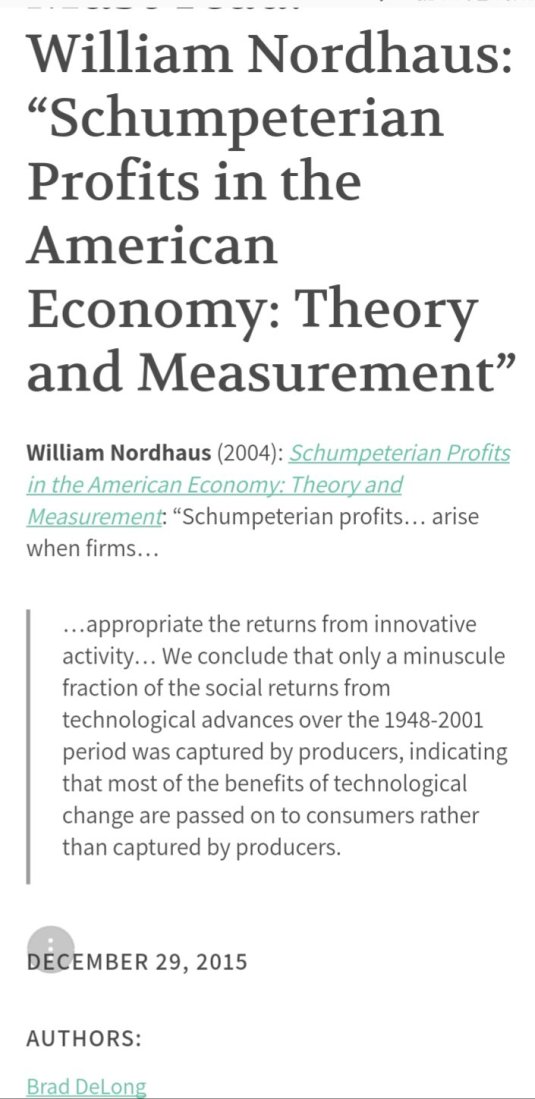
.@equitablegrowth posted this FYI @AOC @SenSanders on every billionaire is a policy failure
22 Feb 2019 Leave a comment
in economic history, entrepreneurship, financial economics, industrial organisation, politics - USA, property rights, public economics, rentseeking Tags: creative destruction, The Great Enrichment
Is 1 chance in 12 of developing a new drug succcesfully to the market high or low as a entrepreneurial venture?
17 Feb 2019 Leave a comment
in applied price theory, economics of regulation, entrepreneurship, financial economics, industrial organisation, politics - USA, survivor principle Tags: drug lags

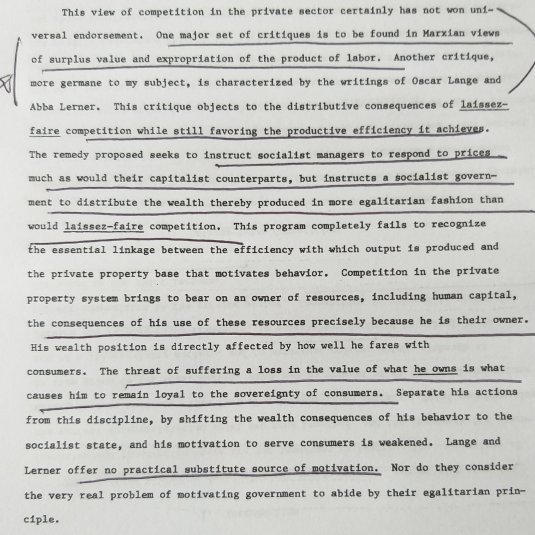
Demsetz on market socialism
17 Feb 2019 Leave a comment
in applied price theory, comparative institutional analysis, entrepreneurship, financial economics, industrial organisation, Marxist economics, property rights, survivor principle, theory of the firm Tags: economics of socialism
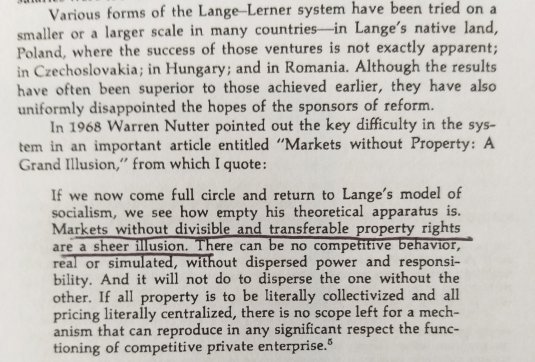
Milton Friedman on the flaws of market socialism
16 Feb 2019 Leave a comment
in applied price theory, comparative institutional analysis, entrepreneurship, financial economics, industrial organisation, law and economics, Marxist economics, Milton Friedman, property rights, survivor principle Tags: economics of socialism
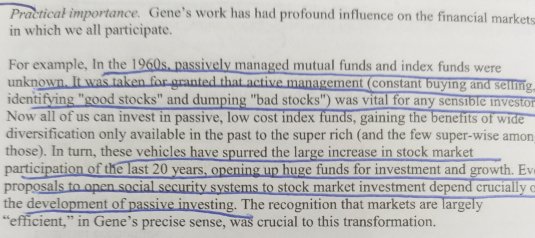
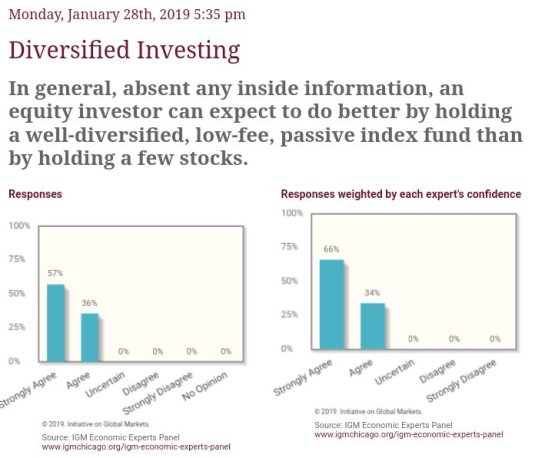
Top economists unanimous in opposition to @NZsuperfund’s beat the market strategy @TaxpayersUnion @EricCrampton
31 Jan 2019 Leave a comment
in entrepreneurship, financial economics, politics - New Zealand, Public Choice, public economics Tags: active investing, efficient markets hypothesis, passive investing
 Utopia, you are standing in it!
Recent Comments