Today is #RepealDay. In 1933 beer drinkers marched to say "We Want Beer." Well, today we've got more breweries than any time in US history. Have a beer today to celebrate Repeal Day in the Golden Age of Beer. pic.twitter.com/nQR74GPb3D
— Mark J. Perry (@Mark_J_Perry) December 5, 2017
#OTD 1933: End of US Alcohol Prohibition
06 Dec 2017 Leave a comment
in applied price theory, economics of regulation, health economics Tags: economics of prohibition, nanny state
Plain Packaging Failure – Five Years Later
04 Dec 2017 1 Comment
in applied price theory, health economics Tags: economics of smoking, nanny state
Mind the gap – an analysis of cancer medicines in New Zealand and Australia
30 Nov 2017 Leave a comment
in applied price theory, health economics
The Fog That Killed 12,000 People
26 Nov 2017 Leave a comment
in economic history, environmental economics, health economics Tags: air pollution
The global decline in child mortality
25 Nov 2017 Leave a comment
in development economics, economic history, health economics Tags: child mortality, infant mortality, The Great Escape
Paul Alexander: one of the few remaining polio survivors that depend on iron lungs
24 Nov 2017 Leave a comment
in health economics Tags: polio, vaccinations, vaccines
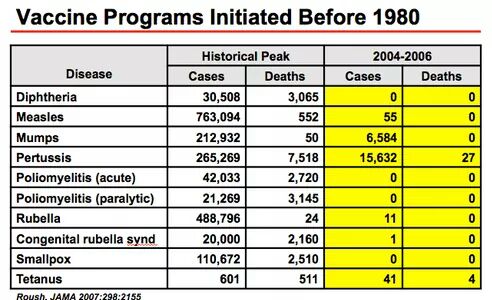
It is really is that simple
20 Nov 2017 Leave a comment
in environmental economics, environmentalism, health economics
Behind on my anti-GMO blogging @GreenpeaceUSA #GMOs
20 Nov 2017 Leave a comment
in environmental economics, environmentalism, health economics
Why incompetent people think they’re amazing – David Dunning
19 Nov 2017 Leave a comment
in health economics Tags: cognitive psychology


Recent Comments