
Over the weekend of February 5th-6th 2011, more than 1500 homeopathy sceptics across the globe took part in a mass homeopathic ‘overdose’ to make a simple statement: Homeopathy – There’s Nothing In It.
Celebrating humanity's flourishing through the spread of capitalism and the rule of law
22 Aug 2015 Leave a comment
in health economics Tags: cranks, homoeopathy, quackery
Over the weekend of February 5th-6th 2011, more than 1500 homeopathy sceptics across the globe took part in a mass homeopathic ‘overdose’ to make a simple statement: Homeopathy – There’s Nothing In It.
22 Aug 2015 Leave a comment
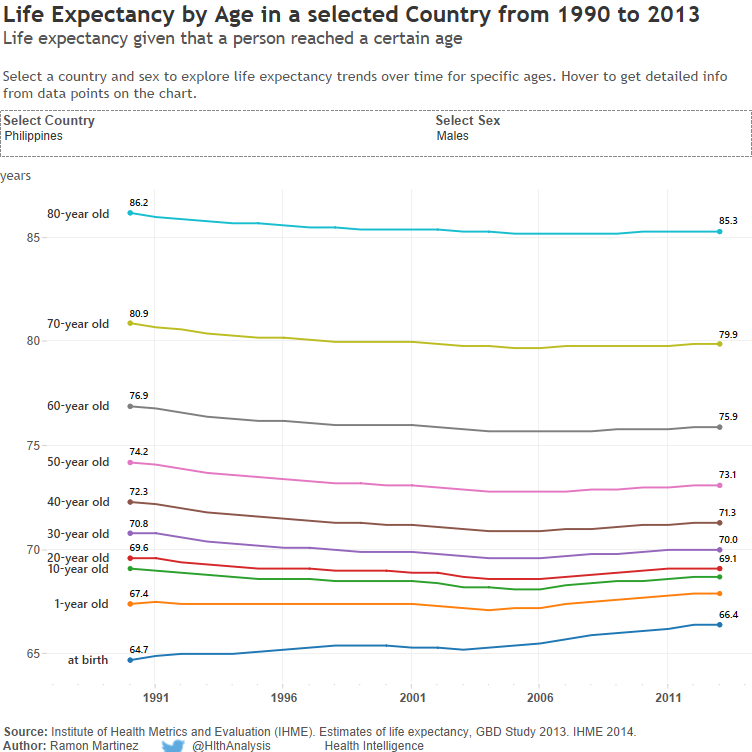
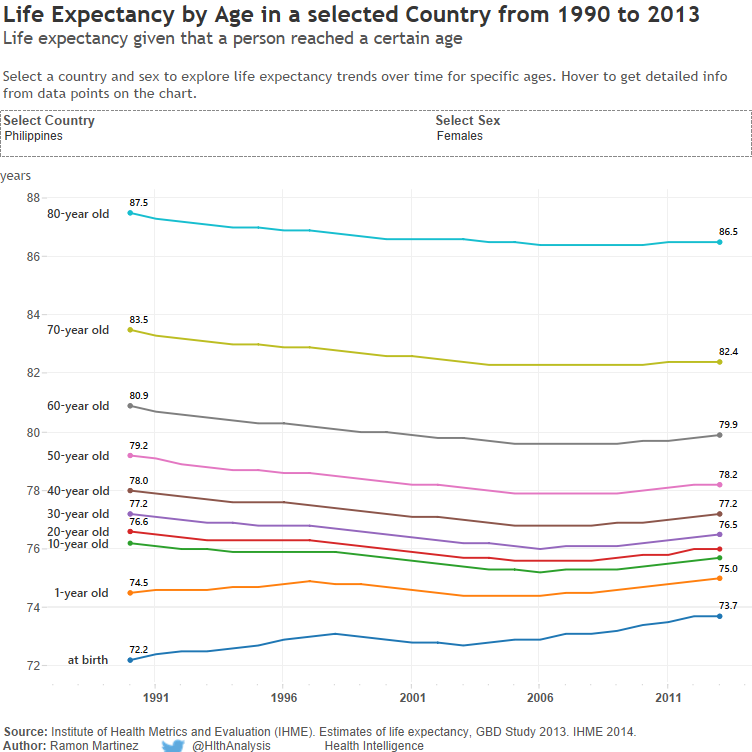
in development economics, economic history, health economics Tags: life expectancies, Philippines, The Great Escape
21 Aug 2015 Leave a comment
in applied welfare economics, economics of regulation, energy economics, environmental economics, health economics, international economics, labour economics, law and economics, politics - New Zealand, Public Choice Tags: antiforeign bias, antimarket bias, expressive voting, Greenpeace, Leftover Left, make-work bias, methodology of economics, New Zealand Greens, New Zealand Labour Party, rational ignorance, rational irrationality
Quotation of the Day from French Economist Frederic Bastiat in the 1850s http://t.co/2ECWtb6m9u—
Mark J. Perry (@Mark_J_Perry) August 14, 2015
21 Aug 2015 Leave a comment
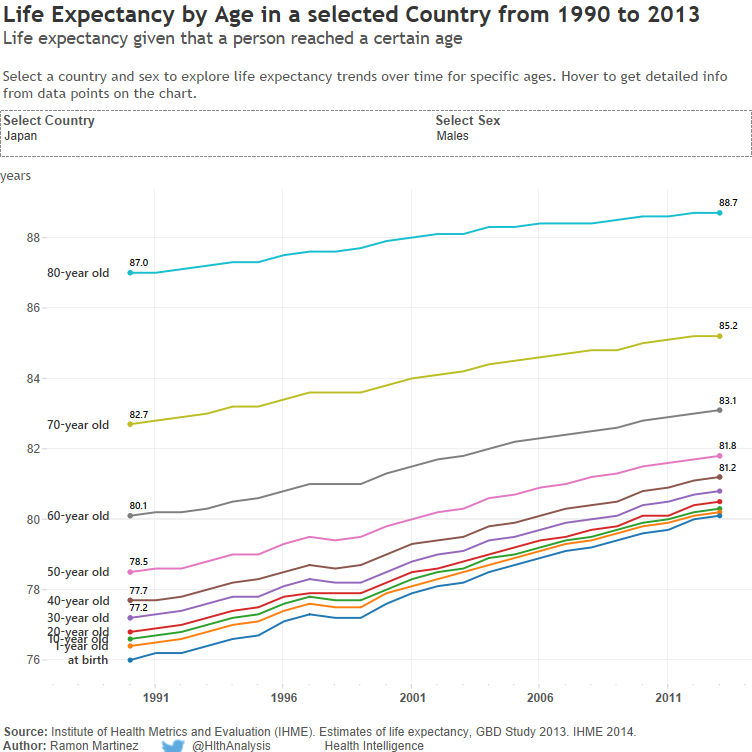
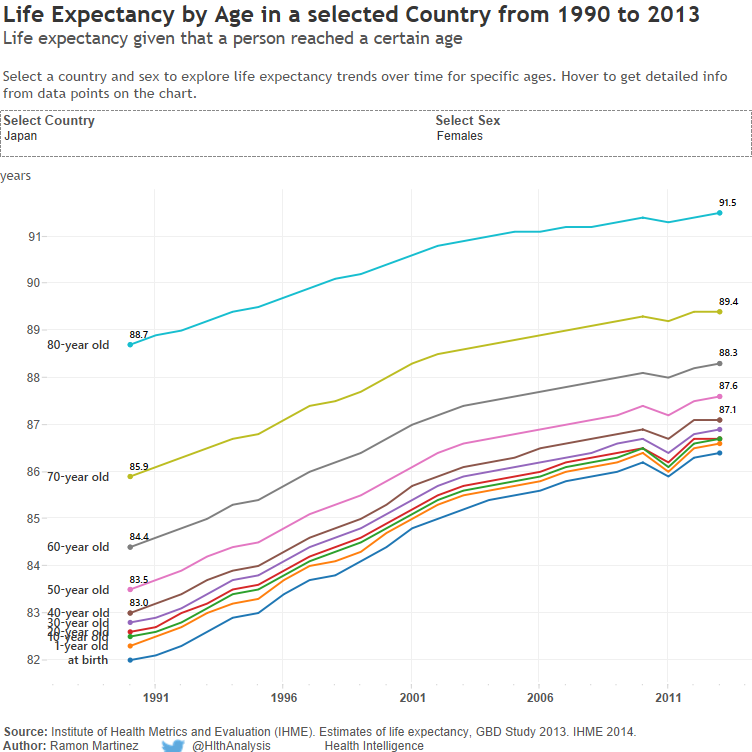
in health economics, population economics Tags: Japan, life expectancies, The Great Escape
20 Aug 2015 Leave a comment
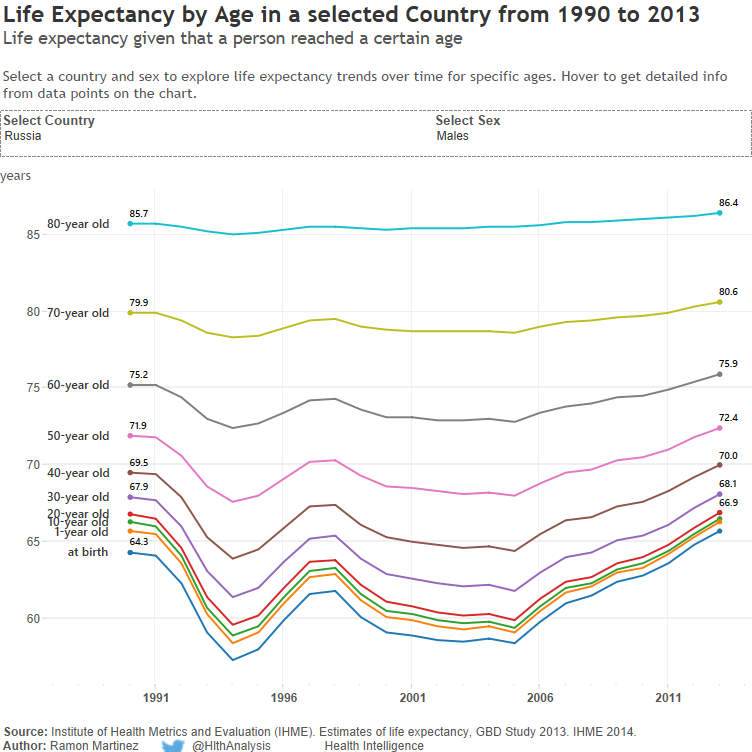
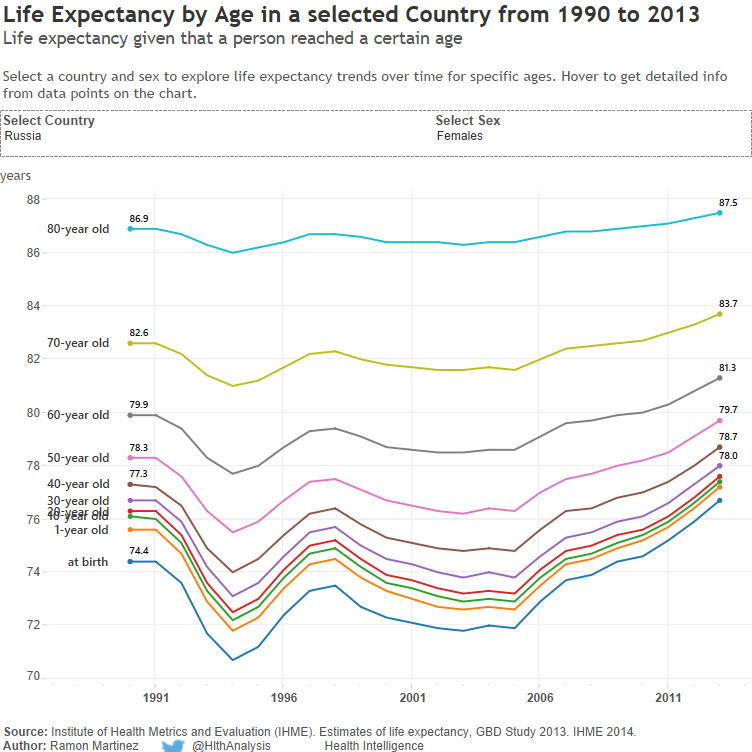
in health economics, population economics Tags: collapse of communism, life expectancies, Russia, The Great Escape
19 Aug 2015 Leave a comment
in applied price theory, development economics, economic history, economics of information, economics of media and culture, economics of regulation, environmental economics, environmentalism, growth disasters, growth miracles, health economics, liberalism Tags: Anti-Science left, expressive voting, GMOs, golden rice, Greenpeace, Luddites, New Zealand Greens, precautionary principle, rational ignorance, rational irrationality, The Great Escape
Good as Gold: Can Golden Rice and Other Biofortified Crops Prevent Malnutrition? ow.ly/QQ1VT #Harvard http://t.co/O3SwpGhsXD—
Golden Rice (@Golden_Rice) August 13, 2015
INFOGRAPHICS: The Impacts of #Biotechnology: A Close Look at the Latest Study ow.ly/GUi4U @FoodInsight http://t.co/JQsmrm2Lv1—
Golden Rice (@Golden_Rice) January 07, 2015
Anti-Golden Rice keyboard
Used by opponent to debate against supporters of #goldenrice
@EcoSenseNow @Golden_Rice http://t.co/q6xt5j7hb1—
Golden Rice Now (@paulevans18) August 21, 2015
.@gpph If this girl could have eaten #goldenrice for lunch, she would not be blind today. ALLOW GOLDEN RICE NOW http://t.co/3UlwHAdWdZ—
Golden Rice Now (@paulevans18) July 29, 2015
19 Aug 2015 Leave a comment
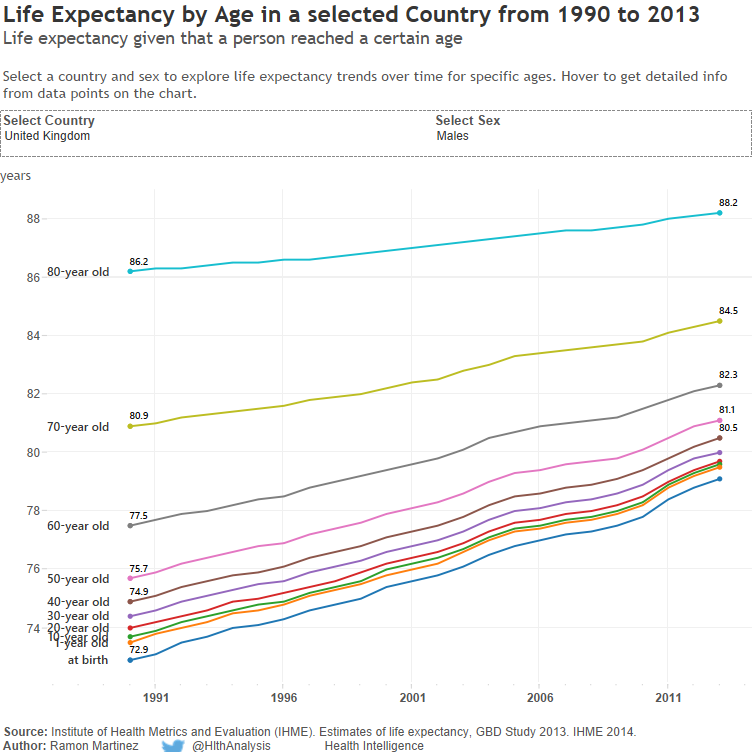
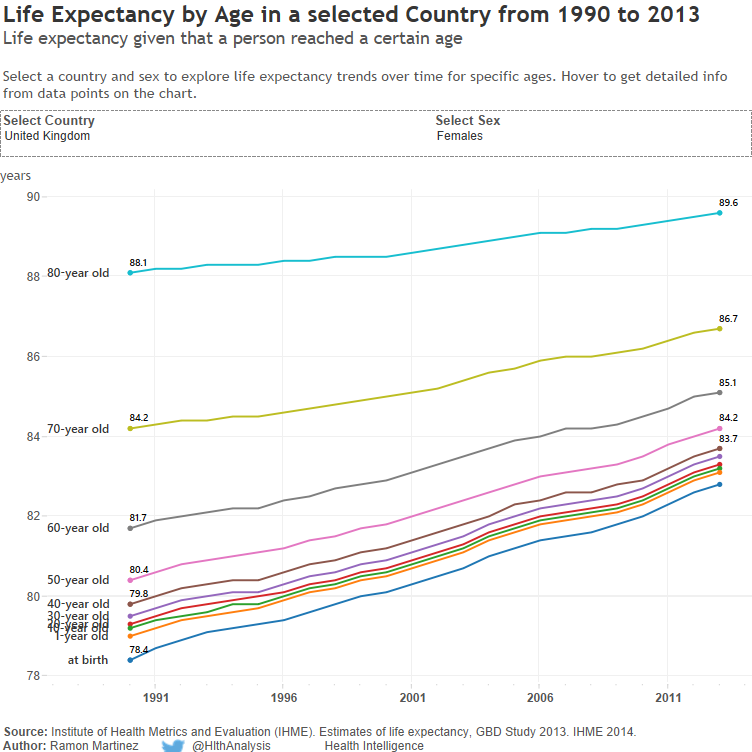
in health economics, population economics Tags: British economy, life expectancies, The Great Escape
18 Aug 2015 Leave a comment
in applied welfare economics, development economics, economic history, environmental economics, growth disasters, growth miracles, health economics Tags: child mortality, global poverty, infant mortality, life expectancies, stream poverty, The Great Escape, The Great Fact
https://twitter.com/humanprogress/status/631179133989617665/photo/1
The total number of undernourished persons is falling despite population growth. buff.ly/1MgKWqd #food #health http://t.co/YfAltqvxVy—
HumanProgress.org (@humanprogress) August 11, 2015
Extreme poverty is declining, but more quickly in some places than others. See the data: buff.ly/1DDz0O5 http://t.co/W1a0WpCxHI—
HumanProgress.org (@humanprogress) August 11, 2015
17 Aug 2015 Leave a comment
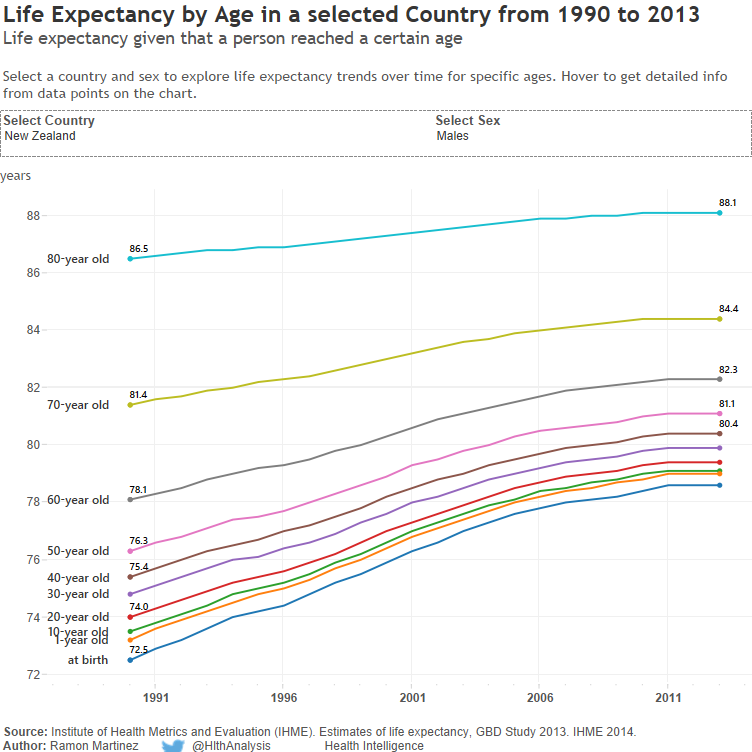
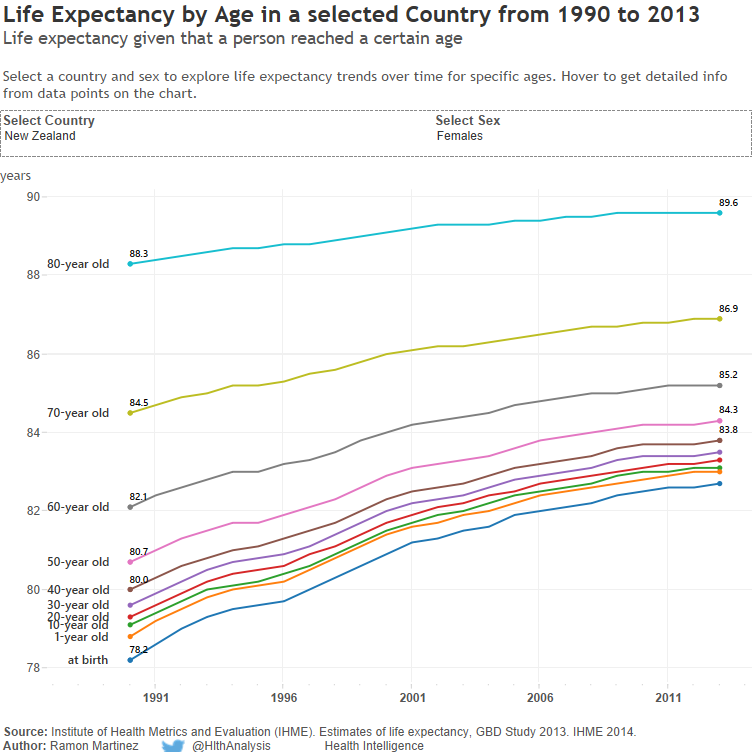
in health economics, politics - New Zealand, population economics Tags: capitalism and freedom, life expectancies, The Great Escape
17 Aug 2015 Leave a comment
in applied welfare economics, development economics, economic history, energy economics, entrepreneurship, environmentalism, health economics, liberalism, resource economics Tags: capitalism and freedom, commodity prices, creative destruction, entrepreneurial alertness, Julian Simon, life expectancies, peak oil, The Great Enrichment, The Great Escape, The Great Fact
12 Aug 2015 Leave a comment
in economic history, health economics Tags: antiscience left, conspiracy theories, conspiracy theorists, moon landing, Quacks
09 Aug 2015 Leave a comment
in economics of regulation, environmental economics, environmentalism, health economics, Public Choice, rentseeking Tags: antiscience left, expressive voting, GMOs, green rent seeking, Greenpeace, Left-wing hypocrisy, precautionary principle, rational ignorance, rational irrationality
US researchers: the idea that global warming has slowed is "no longer valid" grnpc.org/IgDMn via @BBCWorld http://t.co/bIDhaWPV3r—
(@Greenpeace) June 05, 2015
Brace yourself. Global warming is 'set to speed up to rates not seen for 1,000 years.' bit.ly/1x8TnKd http://t.co/pLTprLEiIm—
Greenpeace USA (@greenpeaceusa) March 09, 2015
Are we doomed? Global temperatures hit critical point, scientists warn. bit.ly/1DWkJq7 via @EcoWatch http://t.co/VRT7DH3stN—
Greenpeace USA (@greenpeaceusa) August 01, 2015
08 Aug 2015 Leave a comment
in economics of media and culture, environmental economics, health economics, industrial organisation, survivor principle Tags: agricultural economics, cranks, green rent seeking, organic farming, quackery
Which countries devote the most land to organic #agriculture? wef.ch/1P42qpv http://t.co/q1YstjyrSu—
World Economic Forum (@wef) August 05, 2015
08 Aug 2015 Leave a comment
in health economics, transport economics Tags: conspiracy theories, Quacks
Celebrating humanity's flourishing through the spread of capitalism and the rule of law
Celebrating humanity's flourishing through the spread of capitalism and the rule of law
Celebrating humanity's flourishing through the spread of capitalism and the rule of law
Celebrating humanity's flourishing through the spread of capitalism and the rule of law
Celebrating humanity's flourishing through the spread of capitalism and the rule of law
Celebrating humanity's flourishing through the spread of capitalism and the rule of law
Celebrating humanity's flourishing through the spread of capitalism and the rule of law
Celebrating humanity's flourishing through the spread of capitalism and the rule of law
A History of the Alt-Right
Econ Prof at George Mason University, Economic Historian, Québécois
Celebrating humanity's flourishing through the spread of capitalism and the rule of law
Scholarly commentary on law, economics, and more
Beatrice Cherrier's blog
Celebrating humanity's flourishing through the spread of capitalism and the rule of law
Celebrating humanity's flourishing through the spread of capitalism and the rule of law
Celebrating humanity's flourishing through the spread of capitalism and the rule of law
Why Evolution is True is a blog written by Jerry Coyne, centered on evolution and biology but also dealing with diverse topics like politics, culture, and cats.
Celebrating humanity's flourishing through the spread of capitalism and the rule of law
A rural perspective with a blue tint by Ele Ludemann
DPF's Kiwiblog - Fomenting Happy Mischief since 2003
Celebrating humanity's flourishing through the spread of capitalism and the rule of law
The world's most viewed site on global warming and climate change
Tim Harding's writings on rationality, informal logic and skepticism
A window into Doc Freiberger's library
Let's examine hard decisions!
Commentary on monetary policy in the spirit of R. G. Hawtrey
Thoughts on public policy and the media
Celebrating humanity's flourishing through the spread of capitalism and the rule of law
Politics and the economy
A blog (primarily) on Canadian and Commonwealth political history and institutions
Reading between the lines, and underneath the hype.
Economics, and such stuff as dreams are made on
"The British constitution has always been puzzling, and always will be." --Queen Elizabeth II
Celebrating humanity's flourishing through the spread of capitalism and the rule of law
Celebrating humanity's flourishing through the spread of capitalism and the rule of law
WORLD WAR II, MUSIC, HISTORY, HOLOCAUST
Undisciplined scholar, recovering academic
Celebrating humanity's flourishing through the spread of capitalism and the rule of law
Res ipsa loquitur - The thing itself speaks
In Hume’s spirit, I will attempt to serve as an ambassador from my world of economics, and help in “finding topics of conversation fit for the entertainment of rational creatures.”
Researching the House of Commons, 1832-1868
Articles and research from the History of Parliament Trust
Reflections on books and art
Posts on the History of Law, Crime, and Justice
Celebrating humanity's flourishing through the spread of capitalism and the rule of law
Exploring the Monarchs of Europe


Recent Comments