Brendan O’Neill on Demise of Left to Environmentalism
29 Nov 2018 Leave a comment
in economic history, economics of regulation, energy economics, environmental economics, health economics, history of economic thought Tags: pessimism bias, regressive left
What Have We Learned from the Collapse of Communism? by Peter Boettke
26 Nov 2018 Leave a comment
in applied price theory, Austrian economics, comparative institutional analysis, constitutional political economy, development economics, economic history, economics of bureaucracy, entrepreneurship, history of economic thought, industrial organisation, law and economics, Public Choice Tags: fall of communism
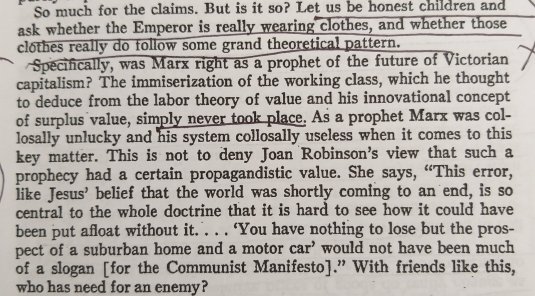
Wise words from Paul Samuelson (and Joan Robinson) for @Ocasio2018 @jeremycorbyn @SenSanders
17 Nov 2018 Leave a comment
in applied price theory, comparative institutional analysis, development economics, growth disasters, growth miracles, history of economic thought, industrial organisation, labour economics, Marxist economics, poverty and inequality Tags: Paul Samuelson
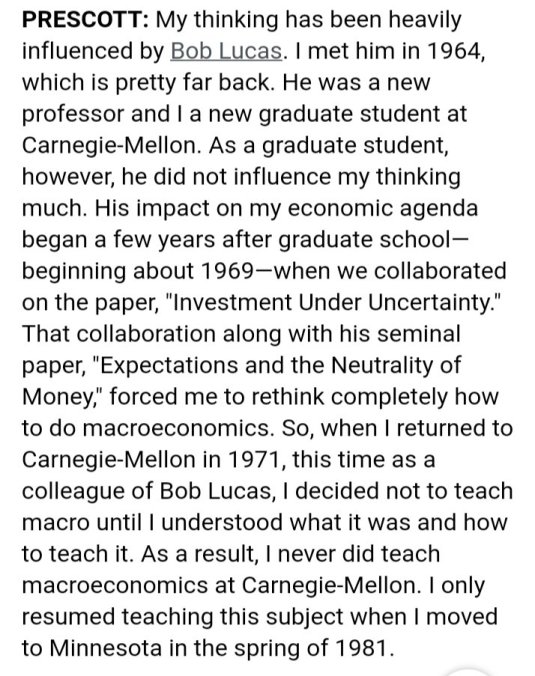
What did Edward Prescott do when he found Keynesian macroeconomics wanting: double down on the old time religion or start again?
05 Nov 2018 Leave a comment
in budget deficits, business cycles, economic growth, Edward Prescott, fiscal policy, history of economic thought, macroeconomics, monetary economics, Robert E. Lucas Tags: Keynesian macroeconomics, real business cycle theory
Could deflation be salvation? George Selgin | Adam Smith Institute
27 Oct 2018 Leave a comment
in Austrian economics, business cycles, economic history, history of economic thought, macroeconomics, monetary economics Tags: Austrian business cycle theory
Joan Robinson was a useful idiot on North Korea too
26 Oct 2018 Leave a comment
in development economics, economic history, growth disasters, growth miracles, history of economic thought, industrial organisation, Marxist economics, Public Choice Tags: fall of communism, North Korea, useful idiots

Sweden: Lessons for America? – Full Video
13 Oct 2018 Leave a comment
in applied price theory, development economics, economic history, economics of bureaucracy, economics of regulation, entrepreneurship, history of economic thought, income redistribution, international economics, labour economics, Public Choice, public economics, rentseeking, survivor principle Tags: Sweden
Predicting the GFC, Karl Popper & the lure of prophecy
01 Oct 2018 Leave a comment
in financial economics, history of economic thought, macroeconomics, Marxist economics

From https://plato.stanford.edu/entries/popper/ and https://books.google.co.nz/books?id=zXh9AwAAQBAJ&pg=PA455&dq=karl+popper+Conjectures+Refutations+%22the+dream+of+prophecy%22&hl=en&sa=X&ved=0ahUKEwiczvqg3uPdAhVDQd4KHRD8CPQQ6AEIKTAA#v=onepage&q=karl%20popper%20Conjectures%20Refutations%20%22the%20dream%20of%20prophecy%22&f=false
How much of a crank is @profstevekeen?
29 Sep 2018 Leave a comment
in applied price theory, financial economics, history of economic thought, industrial organisation, macroeconomics

From http://chrisauld.com/2012/12/06/steve-keen-still-butchering-basic-microeconomics/ at http://chrisauld.com/wp-content/uploads/2012/12/stern-debunking-review.pdf
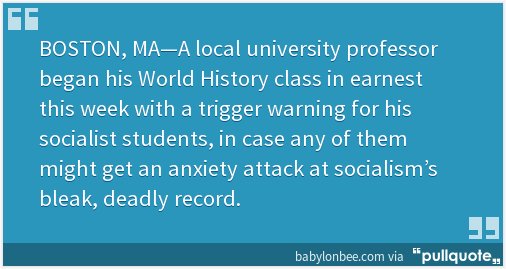
Maybe trigger warnings have their place
19 Sep 2018 Leave a comment
in applied price theory, development economics, economic history, economics of education, history of economic thought Tags: fall of communism

Can the Free Market End Global Poverty? Nobel Laureate Joseph Stiglitz vs. NYU’s William Easterly
15 Sep 2018 1 Comment
in applied price theory, comparative institutional analysis, development economics, economic history, growth disasters, growth miracles, history of economic thought Tags: The Great Enrichment, William easterly
 Utopia, you are standing in it!
Recent Comments