One of the hardest questions in copyright policy is: “What would have happened otherwise?” When Disney lobbies for longer copyright terms or academic publishers defend high subscription fees, we struggle to evaluate their claims because we can’t observe the counterfactual. What would happen to creativity and innovation if we shortened copyright terms or lowered prices? […]
A Wartime Natural Experiment About Copyright
A Wartime Natural Experiment About Copyright
26 Jan 2025 1 Comment
in applied price theory, comparative institutional analysis, defence economics, econometerics, economic history, economics of education, economics of information, economics of media and culture, economics of regulation, industrial organisation, law and economics, politics - USA, property rights, war and peace Tags: patents and copyrights, World War II
Quotation of the Day…
25 Jan 2025 Leave a comment
in applied price theory, economics of information, industrial organisation, Milton Friedman
Tweet… is from page 224 of Milton & Rose Friedman’s great 1980 book, Free To Choose: What about the claim that consumers can be led by the nose by advertising? Our answer is that they can’t – as numerous expensive advertising fiascoes testify. One of the greatest duds of all time was the Edsel automobile,…
Quotation of the Day…
A pessimist’s reasons to be optimistic in 2025
22 Jan 2025 Leave a comment
in applied price theory, economics of regulation, entrepreneurship, industrial organisation, labour economics, law and economics, macroeconomics, politics - New Zealand
The year ahead: Oliver Hartwich reflects on nearly five decades of living through technological transformation – and finds a giant wellspring of optimism Oliver Hartwich writes – When Newsroom’s editor Jonathan Milne invited me to write one of two special pieces for the summer break, I faced quite the conundrum. My options were to either […]
A pessimist’s reasons to be optimistic in 2025
Good Riddance, Joe Biden
20 Jan 2025 Leave a comment
in applied price theory, budget deficits, economic growth, economic history, economics of regulation, energy economics, environmental economics, fiscal policy, global warming, industrial organisation, labour economics, macroeconomics, monetary economics, politics - USA, Public Choice, rentseeking, survivor principle Tags: 2024 presidential election, regressive left
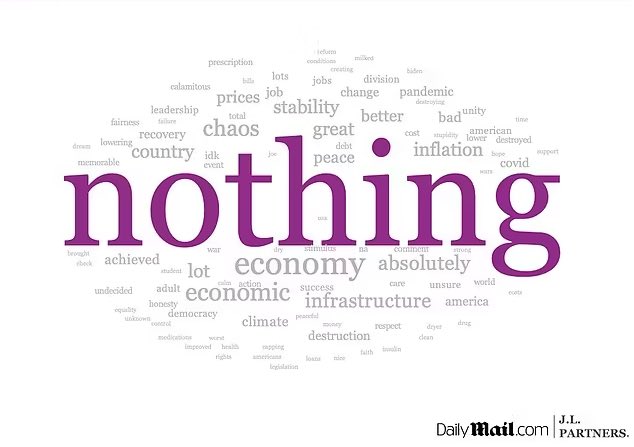
This is the last full day of Joe Biden’s dismal presidency, so let’s do what we did with Justin Trudeau and reflect on his pathetic legacy. I’ve already provided my own economic assessment of Biden’s record, so now let’s review how he is seen by others. We’ll start with the American people. According to a […]
Good Riddance, Joe Biden
The impact of Fox News on American democracy
20 Jan 2025 Leave a comment
in politics - USA, industrial organisation, econometerics, applied price theory Tags: media bias, 2016 US presidential election, 2008 presidential election, 2012 presidential election, 2020 presidential election, 2024 presidential election
In yesterday’s post, I noted a number of opportunities for research on the economics of social media. At least one of those opportunities intersected with the impact of traditional media. So, I was interested to read this new article by Elliott Ash, Sergio Galletta, Matteo Pinna (all ETH Zurich), and Christopher Warshaw (George Washington University), published…
The impact of Fox News on American democracy
No Tech Workers or No Tech Jobs?
19 Jan 2025 1 Comment
in economics of education, entrepreneurship, human capital, industrial organisation, labour economics, labour supply, occupational choice

Several recent tweets(xeets) about tech talent re-ignited the conversation about native-born STEM workers and American policy. For the Very Online, Christmas 2024 was about the H-1B Elon tweets. Elon Musk implies that “elite” engineering talent cannot be found among Americans. Do Americans need to import talent? What would it take to home grow elite engineering […]
No Tech Workers or No Tech Jobs?
Quotation of the Day…
19 Jan 2025 1 Comment
in Adam Smith, applied price theory, comparative institutional analysis, development economics, economic history, economics of love and marriage, economics of regulation, entrepreneurship, history of economic thought, industrial organisation, labour economics, labour supply, law and economics, poverty and inequality, property rights, unemployment
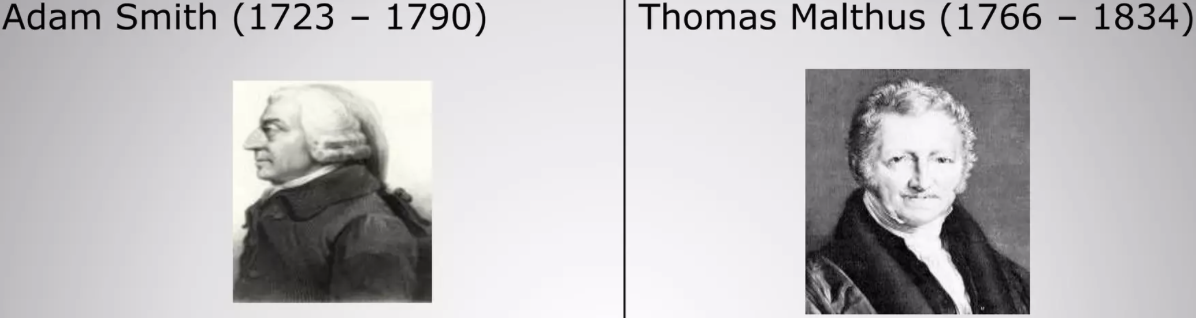
Tweet… is from page 53 of the late, great Harold Demsetz’s excellent 2008 book, From Economic Man to Economic System: Adam Smith and Thomas Malthus differed in their forecasts of mankind’s future. Smith (1776), in his Wealth of Nations, offered an optimistic view, basing this on his understanding of the new economic system that began…
Quotation of the Day…
Canada’s missing entrepreneurs
18 Jan 2025 Leave a comment
in applied price theory, economics of regulation, entrepreneurship, industrial organisation, regulation Tags: Canada
From John Ruffalo.
Canada’s missing entrepreneurs
Natural Diamonds Had a Rough Year—Some Hope to Restore Their Shine
18 Jan 2025 Leave a comment
in applied price theory, entrepreneurship, industrial organisation, market efficiency, survivor principle Tags: creative destruction
Lab-grown diamonds are gaining share, but they might be getting too cheap and largeBy Jinjoo Lee of The WSJ. Excerpts:”After a postpandemic surge in demand in 2021 and 2022, natural-diamond prices are down about 8% compared with the first quarter of 2020, while lab-grown diamond prices are down 75%” [if they are substitutes for each…
Natural Diamonds Had a Rough Year—Some Hope to Restore Their Shine
Further proof the Council just made things worse
17 Jan 2025 Leave a comment
in applied price theory, comparative institutional analysis, economics of bureaucracy, economics of regulation, entrepreneurship, industrial organisation, politics - New Zealand, Public Choice, public economics, rentseeking, survivor principle
Stuff reports: Reading Cinemas is set to return to Wellington after it was revealed on Tuesday night that the cinema chain’s owner, Reading International, intends to undertake a redevelopment of the old building. The company has entered into a Sale and Purchase Agreement with Prime Property Group, with part of the deal including a seismic upgrade […]
Further proof the Council just made things worse
2024 Registrations Of New Electric Cars Plummet 27.5% In Germany…”Petrol Dominates”
15 Jan 2025 1 Comment
in economics of regulation, energy economics, environmental economics, global warming, industrial organisation, survivor principle, transport economics Tags: electric cars, Germany
How’s the Green New Deal working out in Germany? Not very well at all. Firstly, Germany has been in recession for almost 2 years now – thanks mostly to the policies of Economics Minster Robert Habeck (Green Party), who incidentally has no education in economics, business or finance. The guy just doesn’t know what he’s…
2024 Registrations Of New Electric Cars Plummet 27.5% In Germany…”Petrol Dominates”
Martha
15 Jan 2025 Leave a comment
in economic history, economics of crime, entrepreneurship, industrial organisation, law and economics
Martha (Netflix): A compelling bio on Martha Stewart. Her divorce from Andrew Stewart happened more than 30 years ago so the intensity of her anger and bitterness comes as a surprise. With barely concealed rage, she recounts his affairs and how poorly he treated her. “But didn’t you have an affair before he did?” asks […]
Martha
Some Links
12 Jan 2025 Leave a comment
in applied price theory, budget deficits, development economics, economic growth, economic history, economics of regulation, entrepreneurship, fiscal policy, global financial crisis (GFC), great recession, growth disasters, growth miracles, human capital, income redistribution, industrial organisation, international economics, job search and matching, labour economics, labour supply, macroeconomics, monetary economics, poverty and inequality, Public Choice, rentseeking, survivor principle, unemployment
TweetGMU Econ alum Holly Jean Soto busts the myth of “greedflation.” Scott Lincicome identifies an interesting contrast between the facts and opinion about China. George Will decries the spinelessness of the modern U.S. Congress. A slice: The incoming president will be able, on a whim, to unilaterally discombobulate international commerce — and the domestic economy…
Some Links
Debanking: Oil companies and the “far right” watch out
12 Jan 2025 Leave a comment
in economics of climate change, energy economics, environmental economics, environmentalism, financial economics, global warming, industrial organisation, politics - New Zealand Tags: climate activists, climate alarmism, competition law enforcement
The decision of the Court of Appeal in the case of BNZ v Gloriavale is here if you want to read it. Gravedodger wrote his views on the topic here. I want to focus on a particular comment in the decision at paragraph [139]. That comment was this one: [139] In particular, we do not […]
Debanking: Oil companies and the “far right” watch out
Meta dismantles misinformation industry
09 Jan 2025 Leave a comment
in economics of information, entrepreneurship, industrial organisation, law and economics, liberalism, politics - Australia, politics - New Zealand, politics - USA, property rights, Public Choice, survivor principle Tags: 2024 presidential election, free speech, political correctness, regressive left
Mark Zuckerberg announced: In recent years we’ve developed increasingly complex systems to manage content across our platforms, partly in response to societal and political pressure to moderate content. This approach has gone too far. As well-intentioned as many of these efforts have been, they have expanded over time to the point where we are making […]
Meta dismantles misinformation industry
 Utopia, you are standing in it!
Recent Comments