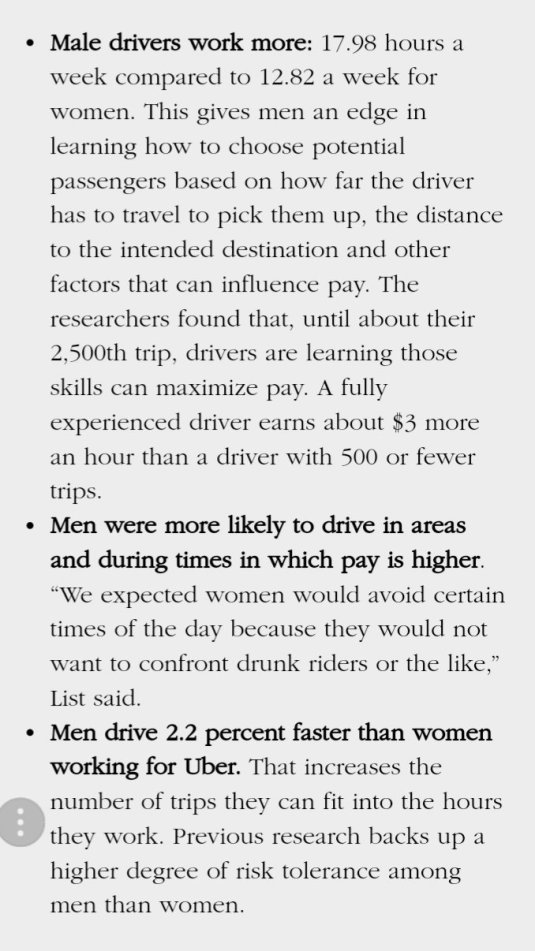
Interesting referendum
04 Aug 2019 Leave a comment
in defence economics, discrimination, gender, labour economics, labour supply, occupational choice, Public Choice, war and peace Tags: conscription, Switzerland

Rather on point
02 Aug 2019 Leave a comment
in discrimination, gender, law and economics, politics - New Zealand, politics - USA Tags: political correctness, regressive left, sex discrimination

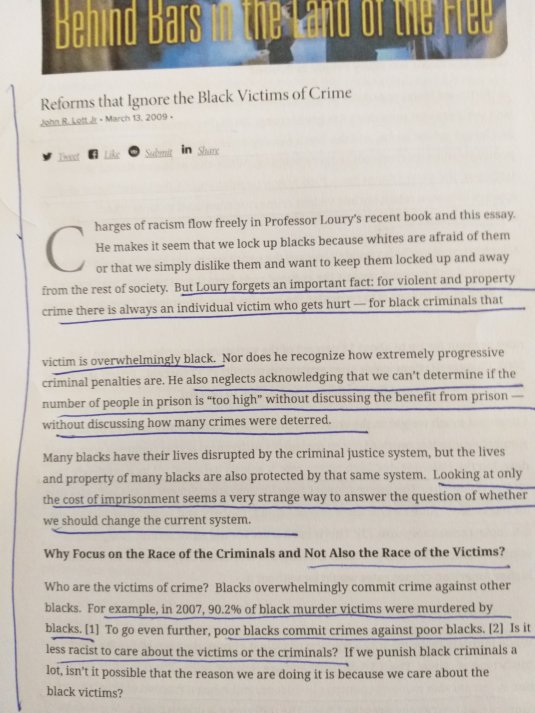
Richard Epstein on discrimination in the marketplace
31 Jul 2019 Leave a comment
in discrimination, economics of information, entrepreneurship, industrial organisation, labour economics, labour supply, law and economics, politics - New Zealand, politics - USA, Richard Epstein, survivor principle Tags: market selection, racial discrimination, sex discrimination
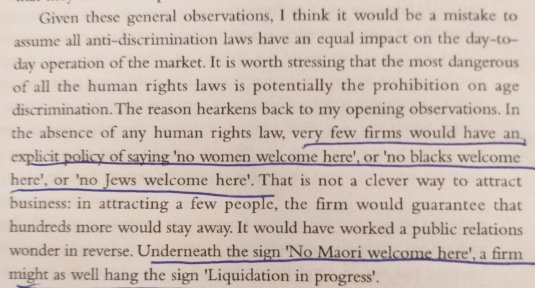
Rethinking Race In America | Loury & McWhorter
30 Jul 2019 Leave a comment
in discrimination, economics of crime, economics of education, human capital, labour economics, labour supply, law and economics, politics - USA, poverty and inequality Tags: crime and punishment, law and order, racial discrimination
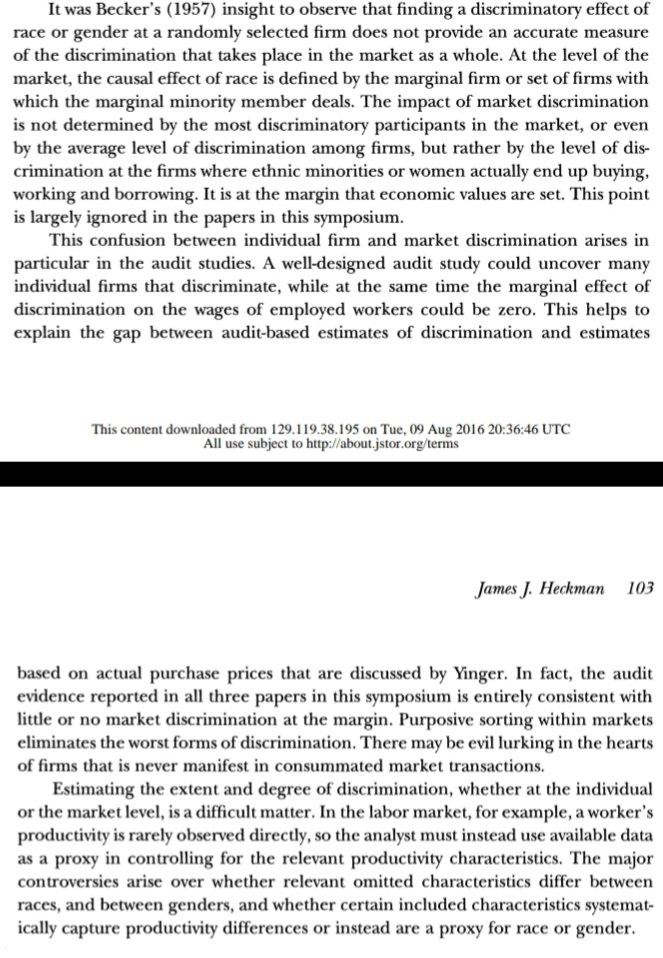
To Help Women, Should We Boycott Women’s Soccer?
30 Jul 2019 Leave a comment
in discrimination, gender, labour economics, labour supply, occupational choice, politics - USA, Public Choice, sports economics, television Tags: gender wage gap, The fatal conceit
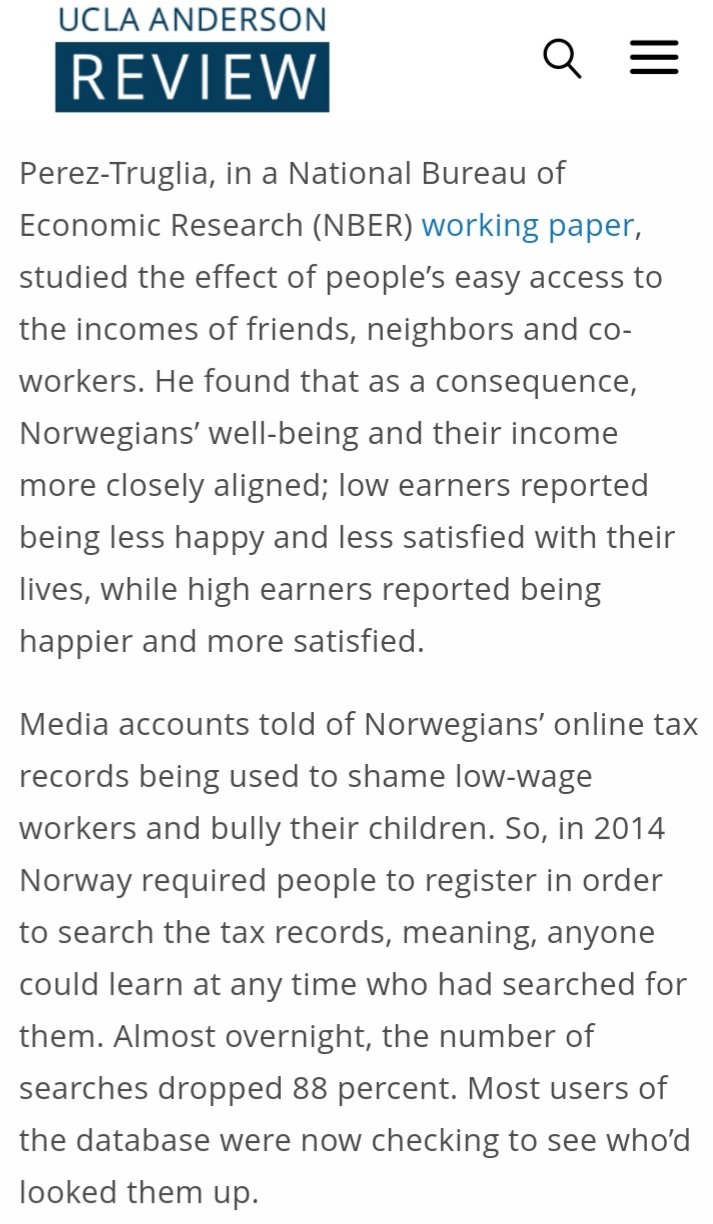
Nosey parkers prefer their privacy @NZPrivacy @NZHumanRights
29 Jul 2019 Leave a comment
in discrimination, economics of information, gender, labour economics, labour supply, law and economics, personnel economics, politics - New Zealand, property rights Tags: economics of privacy, gender wage gap, monospony
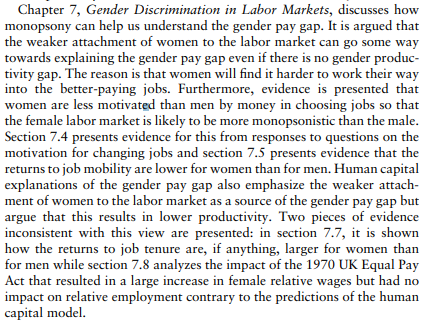
Alan Manning on monopsony, the gender wage gap and the accumulation of job search capital by job shoppers
28 Jul 2019 Leave a comment
in applied price theory, discrimination, gender, labour economics, labour supply
@NYTimes: A Black Professor Says in 1970 on affirmative action at elite universities
27 Jul 2019 Leave a comment
in discrimination, economic history, economics of education, labour economics, law and economics, politics - USA Tags: affirmative action, racial discrimination, The fatal conceit, unintended consequences

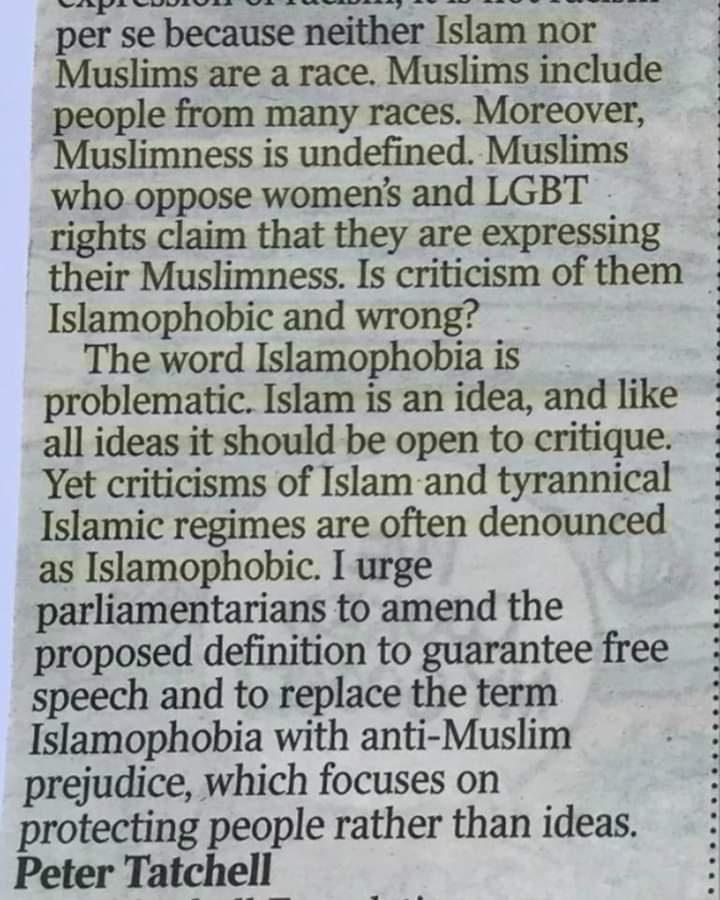
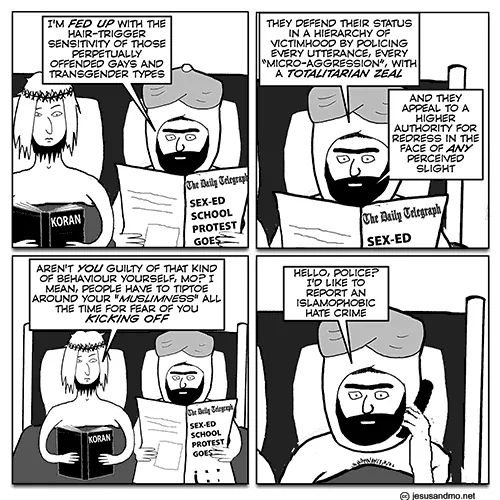
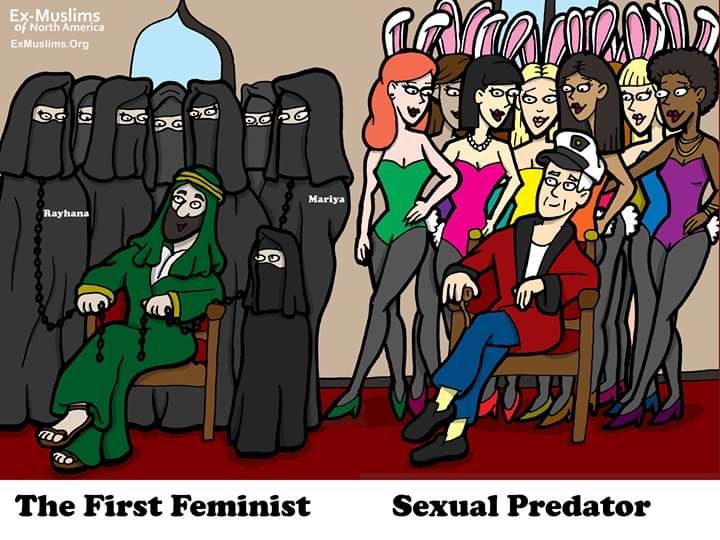
Pointed
27 Jul 2019 Leave a comment
in discrimination, economic history, economics of religion, gender, law and economics Tags: political correctness, regressive left, sex discrimination
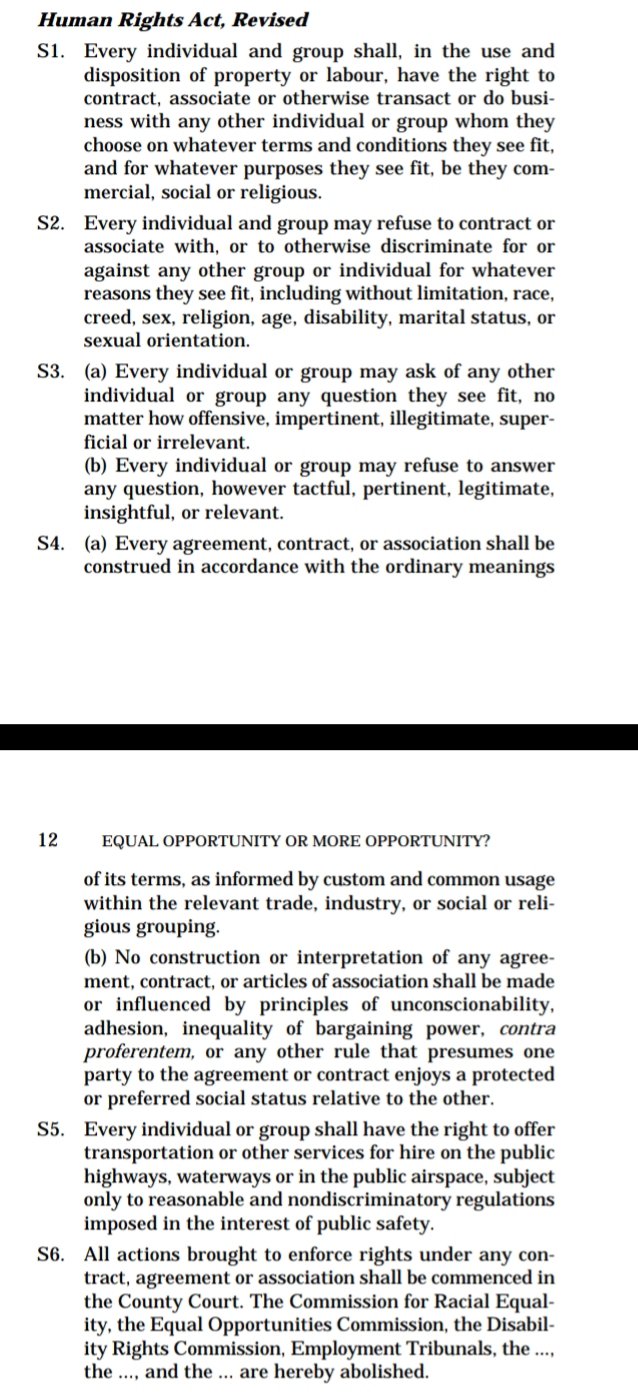
Richard Epstein’s preferred Human Rights Act
25 Jul 2019 Leave a comment
in comparative institutional analysis, constitutional political economy, discrimination, economics of information, gender, labour economics, labour supply, law and economics, occupational choice, politics - New Zealand, politics - USA, poverty and inequality, Richard Epstein Tags: British politics, racial discrimination, sex discrimination


Recent Comments