24% percent of girls had science as their best subject, 25% of girls’ strength was math, and 51% excelled in reading. For boys, the percentages were 38 for science, 42 for math, and 20 for reading
18 Dec 2019 Leave a comment
in discrimination, economics of education, gender, human capital, labour economics, labour supply, occupational choice Tags: gender wage gap, reversing gender gap
Heather Mac Donald – The Diversity Delusion
16 Dec 2019 Leave a comment
in discrimination, economic history, economics of education, gender, human capital, labour economics, labour supply, law and economics, occupational choice, poverty and inequality Tags: affirmative action, political correctness, regressive left, sex discrimination
Walter E. Williams: Government, The Market, and Minorities
16 Dec 2019 Leave a comment
in applied price theory, applied welfare economics, Austrian economics, comparative institutional analysis, constitutional political economy, discrimination, economic history, economics of education, entrepreneurship, health economics, human capital, industrial organisation, labour economics, labour supply, occupational choice, poverty and inequality, privatisation, survivor principle, unemployment, welfare reform Tags: racial discrimination
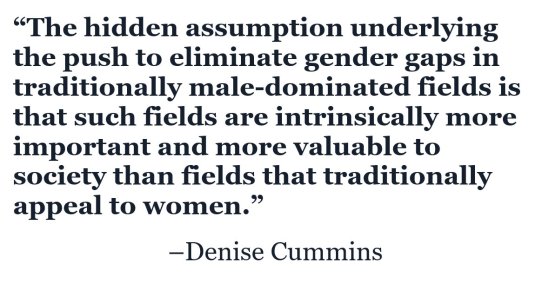
Why do feminists cast women’s preferences as inferior
14 Dec 2019 Leave a comment
in discrimination, economics of education, economics of love and marriage, gender, health and safety, human capital, labour economics, labour supply, law and economics, occupational choice Tags: gender wage gap
A drug courts dupes? @JustSpeakNZ @sst_nz @NZJusticeIdeas
12 Dec 2019 Leave a comment
in econometerics, economics of crime, economics of education, economics of information, human capital, labour economics, labour supply, law and economics, occupational choice, politics - New Zealand, politics - USA Tags: adverse selection, crime and punishment, criminal deterrence, law and order, moral hazard, offsetting, self-selection, The fatal conceit, unintended consequences
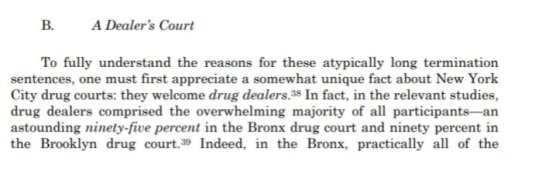
More on racist drug courts @JustSpeakNZ @NZJusticeIdeas @sst_nz
12 Dec 2019 Leave a comment
in econometerics, economics of crime, economics of education, economics of information, human capital, labour economics, labour supply, law and economics, occupational choice, politics - USA, unemployment Tags: adverse selection, crime and punishment, criminal deterrence, law and order, moral hazard, offsetting behaviour, self-selection, The fatal conceit, unintended consequences
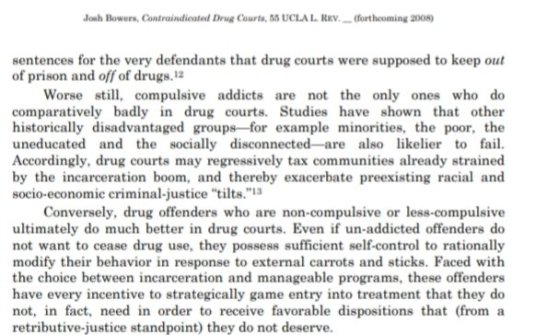
Drug courts are racist @NZJusticeIdeas @JustSpeakNZ @sst_nz
12 Dec 2019 Leave a comment
in econometerics, economics of crime, economics of education, economics of information, human capital, labour economics, labour supply, law and economics, occupational choice Tags: adverse selection, crime and punishment, criminal deterrence, drug law reform, law and order, moral hazard, self-selection, The fatal conceit, unintended consequences
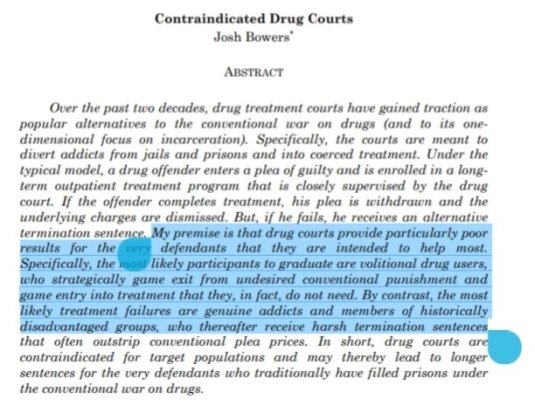

The vision of the anointed — with Thomas Sowell (1995) | THINK TANK @AEI
11 Dec 2019 Leave a comment
in applied price theory, applied welfare economics, discrimination, economic history, economics of crime, economics of information, human capital, labour economics, labour supply, law and economics, minimum wage, occupational choice, poverty and inequality, Thomas Sowell, unemployment, welfare reform Tags: The fatal conceit
Escaping poverty
09 Dec 2019 Leave a comment
in economics of education, gender, human capital, income redistribution, labour economics, labour supply, occupational choice, poverty and inequality, Public Choice, unemployment, welfare reform Tags: child poverty, family poverty, social insurance

Interview with David Neumark on minimum wage
08 Dec 2019 Leave a comment
in applied price theory, applied welfare economics, econometerics, economic history, economics of education, human capital, labour economics, labour supply, minimum wage, occupational choice, poverty and inequality Tags: The fatal conceit
Efforts to eliminate occupational gender gaps tacitly treat male-typical choices as superior
07 Dec 2019 Leave a comment
in applied price theory, applied welfare economics, discrimination, economics of education, gender, health and safety, human capital, labour economics, labour supply, occupational choice Tags: gender wage gap

 Utopia, you are standing in it!
Recent Comments