Has the drop in daily hours worked bottomed out?
05 Apr 2020 Leave a comment
in health economics, labour economics, labour supply, unemployment

Source: Homebase at https://docs.google.com/spreadsheets/d/e/2PACX-1vTf0Ce37p3B0Qy-5BZPh1p9-WwEekPOxVdpMsumy6JFeCIt9EO6ZxbGNpnNxjdf9Mr9USeIMqjq9YU0/pubhtml#
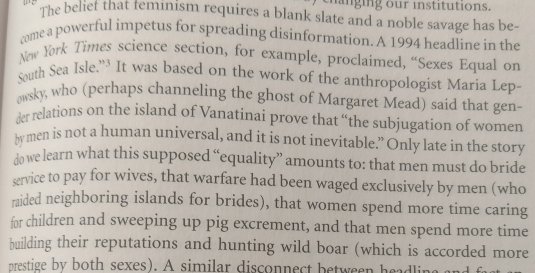
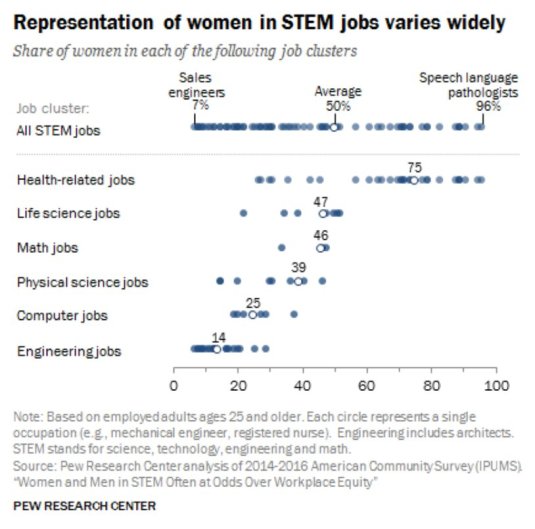
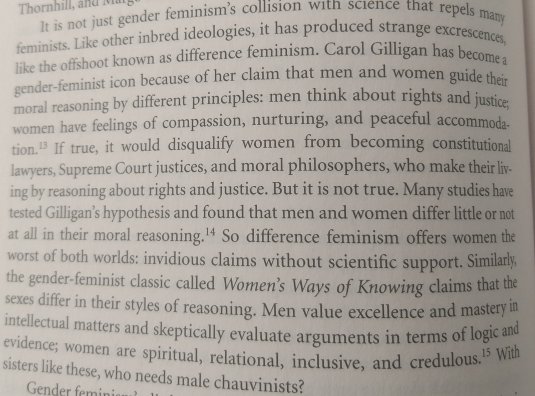
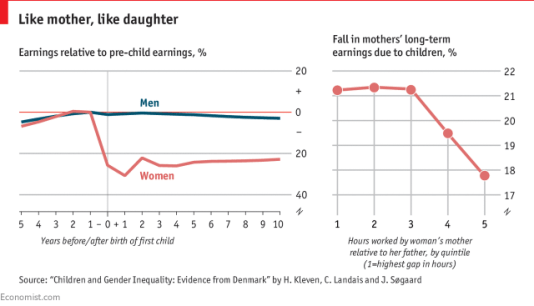
Occupational segregation is based on occupational choice
05 Apr 2020 Leave a comment
in discrimination, economics of education, gender, human capital, industrial organisation, labour economics, labour supply, occupational choice Tags: gender wage gap
The calendar effect: changing number of public holidays falling in the working week measures the upper bound of the lockdown on GDP?
03 Apr 2020 Leave a comment
in econometerics, economic growth, health economics, labour economics, labour supply, law and economics, macroeconomics Tags: economics of pandemics

Daily US labour supply #COVID19
01 Apr 2020 Leave a comment
in business cycles, labour economics, labour supply, macroeconomics, politics - USA, unemployment

Source: Homebase at https://docs.google.com/spreadsheets/d/e/2PACX-1vTf0Ce37p3B0Qy-5BZPh1p9-WwEekPOxVdpMsumy6JFeCIt9EO6ZxbGNpnNxjdf9Mr9USeIMqjq9YU0/pubhtml#
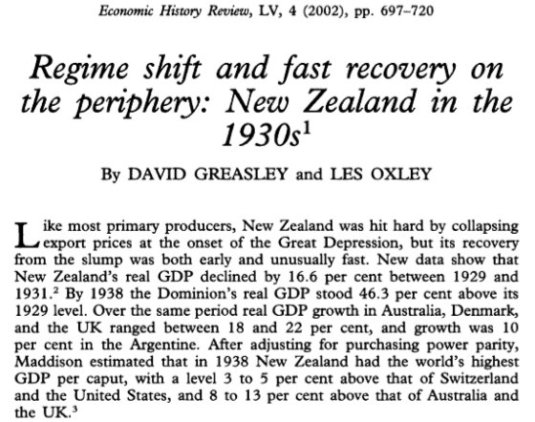
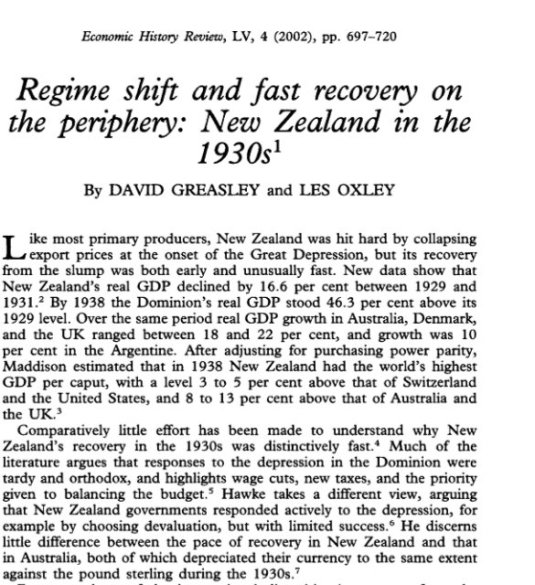
The 1931 massive fiscal contraction should have slowed the NZ recovery if Keynesian macroeconomics is worth more than a grain of salt
31 Mar 2020 7 Comments
in budget deficits, business cycles, economic history, fiscal policy, great depression, labour economics, labour supply, macroeconomics, monetary economics, public economics, unemployment Tags: Keynesian macroeconomics, new classical macroeconomics, New Keynesian macroeconomics, New Zealand
100 years on New Zealand unemployment rates
31 Mar 2020 1 Comment
in business cycles, economic history, great depression, job search and matching, labour economics, labour supply, macroeconomics, unemployment Tags: Keynesian macroeconomics, New Keynesian macroeconomics, New Zealand
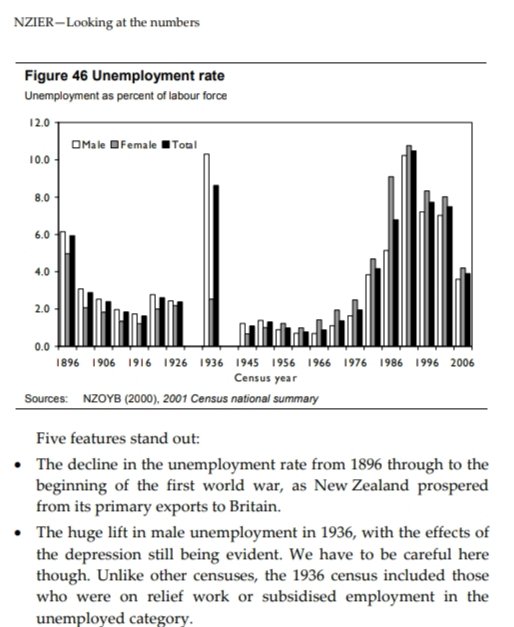
Novak and Davidson on interwar unemployment
31 Mar 2020 Leave a comment
in business cycles, economic history, fiscal policy, great depression, labour economics, labour supply, macroeconomics, unemployment Tags: Keynesian macroeconomics, New Keynesian macroeconomics

A century of Australian unemployment rates
30 Mar 2020 1 Comment
in business cycles, economic history, great depression, labour economics, labour supply, macroeconomics, unemployment Tags: Australia
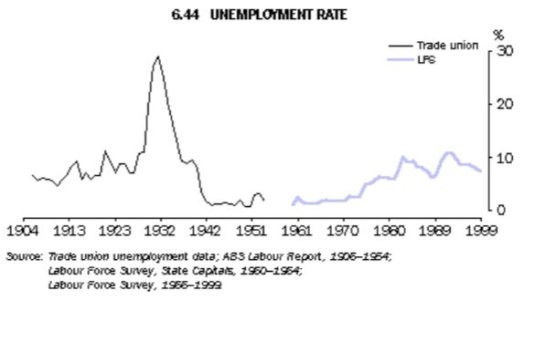
From https://www.abs.gov.au/ausstats/abs@.nsf/previousproducts/1301.0feature%20article142001
The unemployment rate then increased rapidly to 19.3% in 1930, before reaching a peak of 29.0% in 1932, in response to the economic conditions of the Great Depression. This unprecedented high rate of unemployment persisted for two years, before the unemployment rate fell rapidly to below 10% by 1937.
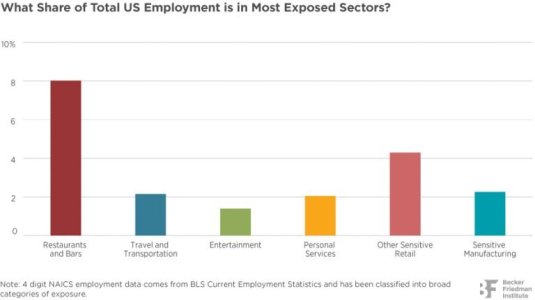
How much of economy has #COVID19 locked-down?
30 Mar 2020 Leave a comment
in health economics, labour economics, labour supply, unemployment Tags: economics of pandemics

 Utopia, you are standing in it!
Recent Comments