Bouncing Back: The Role of Social Safety Nets
03 Nov 2021 Leave a comment
in applied price theory, economics of education, entrepreneurship, fiscal policy, human capital, income redistribution, labour economics, labour supply, occupational choice, politics - USA, poverty and inequality, Public Choice Tags: poverty traps
A Million Mutinies: The key to economic development |Robert Lucas 2001
02 Nov 2021 Leave a comment
in applied price theory, comparative institutional analysis, development economics, economic growth, economic history, economics of bureaucracy, economics of education, entrepreneurship, growth disasters, growth miracles, history of economic thought, human capital, income redistribution, industrial organisation, labour economics, labour supply, law and economics, macroeconomics, occupational choice, poverty and inequality, property rights, Public Choice, public economics, rentseeking, Robert E. Lucas, unemployment Tags: economics of immigration, The Great Enrichment

Compensating differences in wages and work intensity
01 Nov 2021 Leave a comment
in Adam Smith, Alfred Marshall, applied price theory, economic history, entrepreneurship, history of economic thought, industrial organisation, labour economics, labour supply, managerial economics, occupational choice, organisational economics, personnel economics, survivor principle Tags: compensating differences
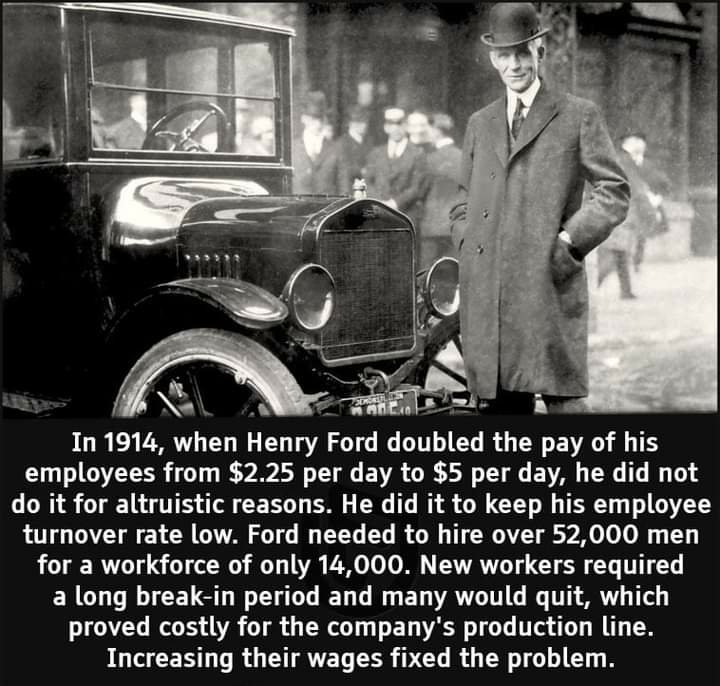
Edward Glaeser on Survival of the City
01 Nov 2021 Leave a comment
in applied price theory, applied welfare economics, comparative institutional analysis, development economics, economic history, economics of bureaucracy, economics of crime, economics of education, economics of regulation, entrepreneurship, human capital, income redistribution, industrial organisation, international economics, labour economics, labour supply, law and economics, occupational choice, poverty and inequality, property rights, Public Choice, public economics, rentseeking, survivor principle, transport economics, urban economics
The High Cost of Good Intentions with John F. Cogan: Perspectives on Policy
31 Oct 2021 Leave a comment
in economic history, entrepreneurship, financial economics, history of economic thought, human capital, income redistribution, industrial organisation, labour economics, labour supply, occupational choice, occupational regulation, poverty and inequality, Public Choice, survivor principle, unemployment, welfare reform Tags: taxation and labour supply
50% female firefighter quota
29 Oct 2021 Leave a comment
in discrimination, economics of education, economics of natural disasters, gender, health and safety, human capital, labour economics, labour supply, occupational choice
What was the industrial revolution?
28 Oct 2021 Leave a comment
in applied price theory, comparative institutional analysis, development economics, economic growth, economic history, economics of education, economics of regulation, entrepreneurship, growth disasters, growth miracles, history of economic thought, human capital, industrial organisation, international economics, labour economics, labour supply, macroeconomics, occupational choice, poverty and inequality, Robert E. Lucas Tags: economics of fertility, industrial revolution, The Great Enrichment
What Was the Industrial Revolution?
27 Oct 2021 Leave a comment
in development economics, economic growth, economic history, economics of education, financial economics, growth disasters, growth miracles, history of economic thought, human capital, industrial organisation, labour economics, labour supply, macroeconomics, occupational choice, property rights, Robert E. Lucas Tags: Great Enrichment, industrial revolution
Lecture 5: Firm-level misallocation: benchmark model and early results
27 Oct 2021 Leave a comment
in applied price theory, applied welfare economics, comparative institutional analysis, development economics, economic growth, economic history, entrepreneurship, growth disasters, growth miracles, human capital, industrial organisation, labour economics, labour supply, macroeconomics, occupational choice, survivor principle
How the Labor Market Adjusts to Technological Shocks (Lessons from Hoover Boot Camp) | Ch 3
26 Oct 2021 Leave a comment
in applied price theory, economic growth, economic history, economics of education, economics of regulation, entrepreneurship, health and safety, history of economic thought, human capital, industrial organisation, labour economics, labour supply, market efficiency, minimum wage, occupational choice, occupational regulation, personnel economics, poverty and inequality, survivor principle, unemployment
Socialism explained
24 Oct 2021 Leave a comment
in labour economics, labour supply, Marxist economics, occupational choice, Rawls and Nozick Tags: economics of socialism, regressive left

Cities at a Crossroads | Ed Glaeser
21 Oct 2021 Leave a comment
in applied price theory, applied welfare economics, development economics, economic history, economics of bureaucracy, energy economics, environmental economics, history of economic thought, human capital, industrial organisation, labour economics, labour supply, law and economics, occupational choice, poverty and inequality, property rights, Public Choice, public economics, rentseeking, transport economics, urban economics
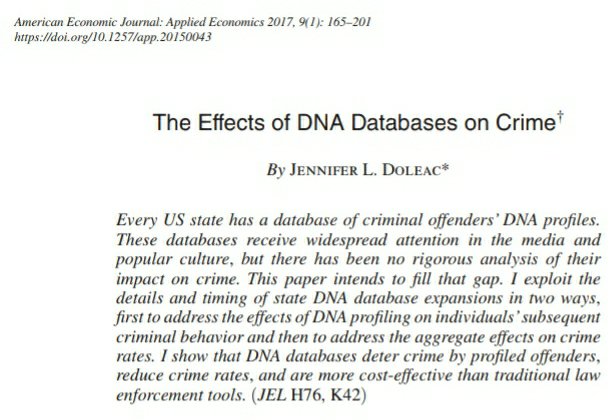
Criminals don’t like having their collars felt
17 Oct 2021 Leave a comment
in applied price theory, econometerics, economics of crime, labour economics, law and economics, occupational choice Tags: crime and punishment, law and order
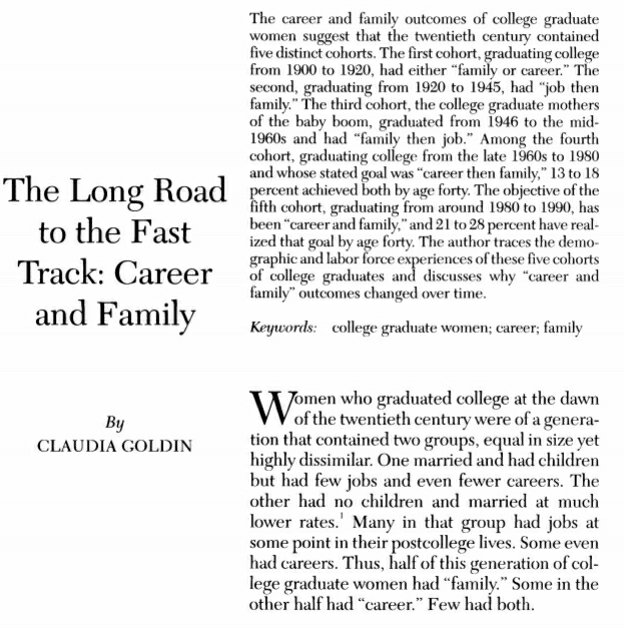
100 years on female labour supply and occupational choice
17 Oct 2021 Leave a comment
in discrimination, econometerics, economic history, economics of education, gender, health and safety, human capital, labour economics, labour supply, occupational choice, poverty and inequality Tags: gender wage gap
 Utopia, you are standing in it!
Recent Comments