How bridges were constructed over 100 years ago
30 Jun 2019 Leave a comment
in economic history, health and safety, labour economics, labour supply, occupational choice Tags: The Great Escape
More evidence of a working rich
29 Jun 2019 Leave a comment
in economics of education, entrepreneurship, financial economics, human capital, industrial organisation, labour economics, labour supply, occupational choice, poverty and inequality, survivor principle Tags: top 1%

Thomas Sowell on the Myths of Economic Inequality
26 Jun 2019 Leave a comment
in applied price theory, comparative institutional analysis, constitutional political economy, development economics, discrimination, economic history, economics of bureaucracy, economics of education, economics of regulation, human capital, industrial organisation, labour economics, labour supply, law and economics, minimum wage, occupational choice, poverty and inequality, property rights, Public Choice, survivor principle, Thomas Sowell, unemployment, unions, welfare reform
Gong Farmer (Worst Jobs in History)
23 Jun 2019 Leave a comment
in economic history, labour economics, labour supply, occupational choice Tags: The Great Enrichment
Inequality, Productivity Stagnation and Moore’s Law | Tyler Cowen
21 Jun 2019 Leave a comment
in applied welfare economics, economic history, economics of information, economics of regulation, financial economics, human capital, industrial organisation, labour economics, labour supply, occupational choice, poverty and inequality Tags: superstar wages, top 1%
The Numbers Game: The Paradox of Household Income
19 Jun 2019 Leave a comment
in applied price theory, applied welfare economics, discrimination, economic history, economics of education, human capital, income redistribution, labour economics, labour supply, occupational choice, politics - USA, poverty and inequality, Public Choice, public economics, unemployment, welfare reform Tags: child poverty, family poverty
LSE Sociology: Are There Any Right-Wing Sociologists? (Maybe they mostly work in the criminology field!)
18 Jun 2019 Leave a comment
in applied price theory, comparative institutional analysis, discrimination, economic history, economics of regulation, entrepreneurship, human capital, income redistribution, industrial organisation, labour economics, labour supply, law and economics, occupational choice, poverty and inequality, Public Choice, public economics, survivor principle
Crunched: is the inequality gap really widening?
17 Jun 2019 Leave a comment
in applied welfare economics, development economics, economic history, economics of education, entrepreneurship, human capital, income redistribution, labour economics, labour supply, occupational choice, politics - USA, poverty and inequality Tags: top 1%
Affirmative Action Hurts Minorities
17 Jun 2019 Leave a comment
in discrimination, economics of education, human capital, occupational choice, poverty and inequality Tags: affirmative action, racial discrimination

What drives the gender wage gap
16 Jun 2019 Leave a comment
in discrimination, economics of education, economics of love and marriage, gender, human capital, labour supply, law and economics, occupational choice Tags: gender wage gap
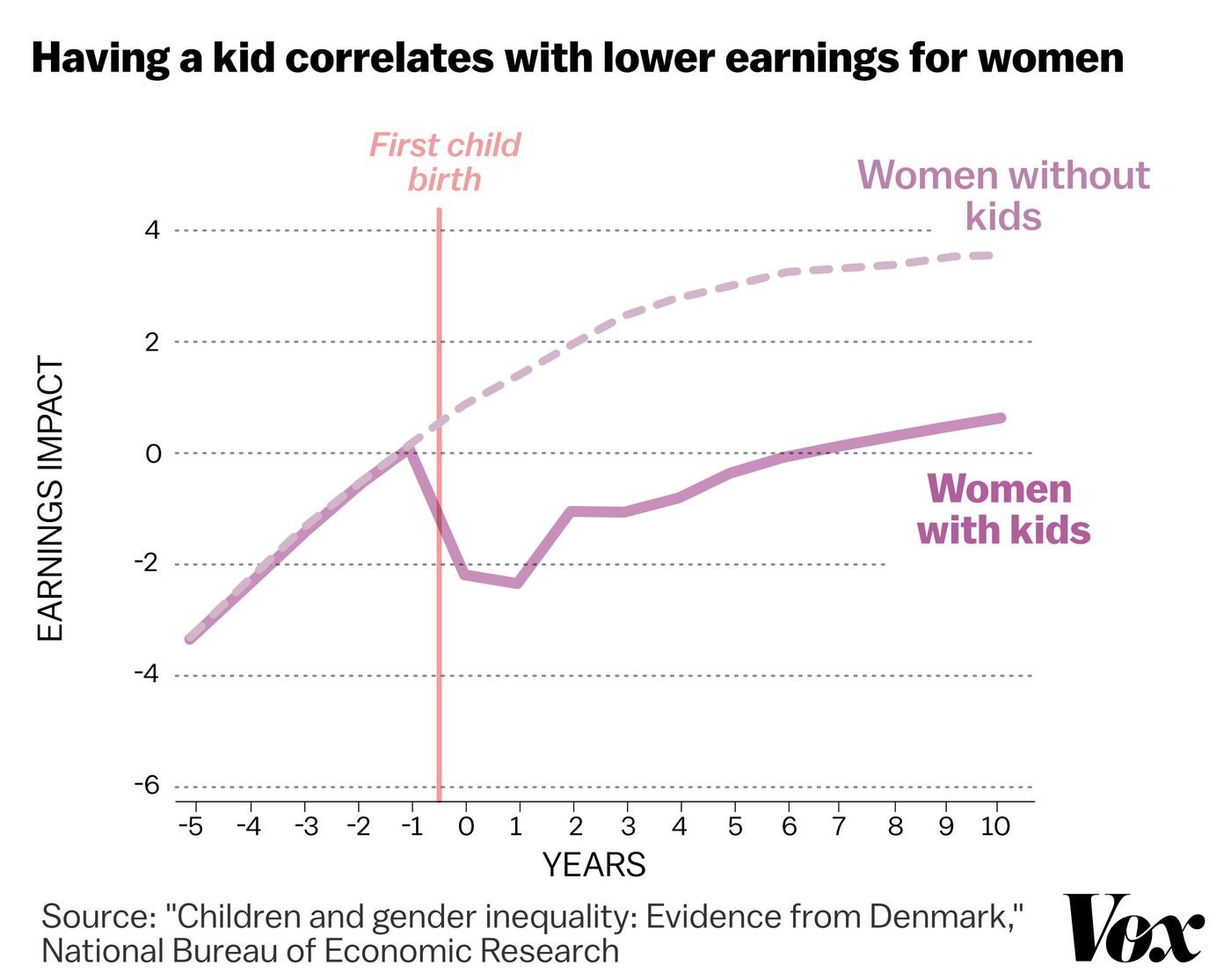
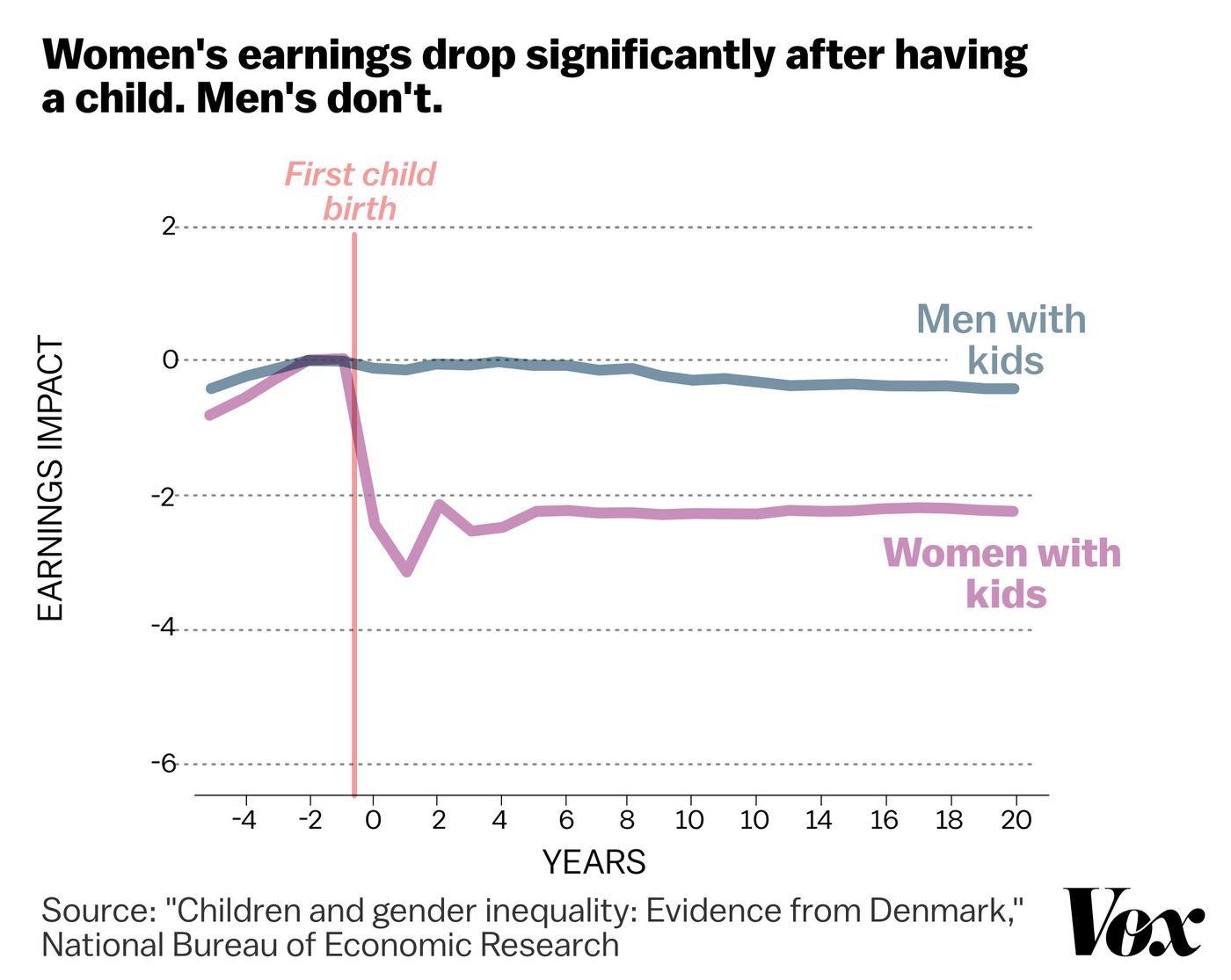
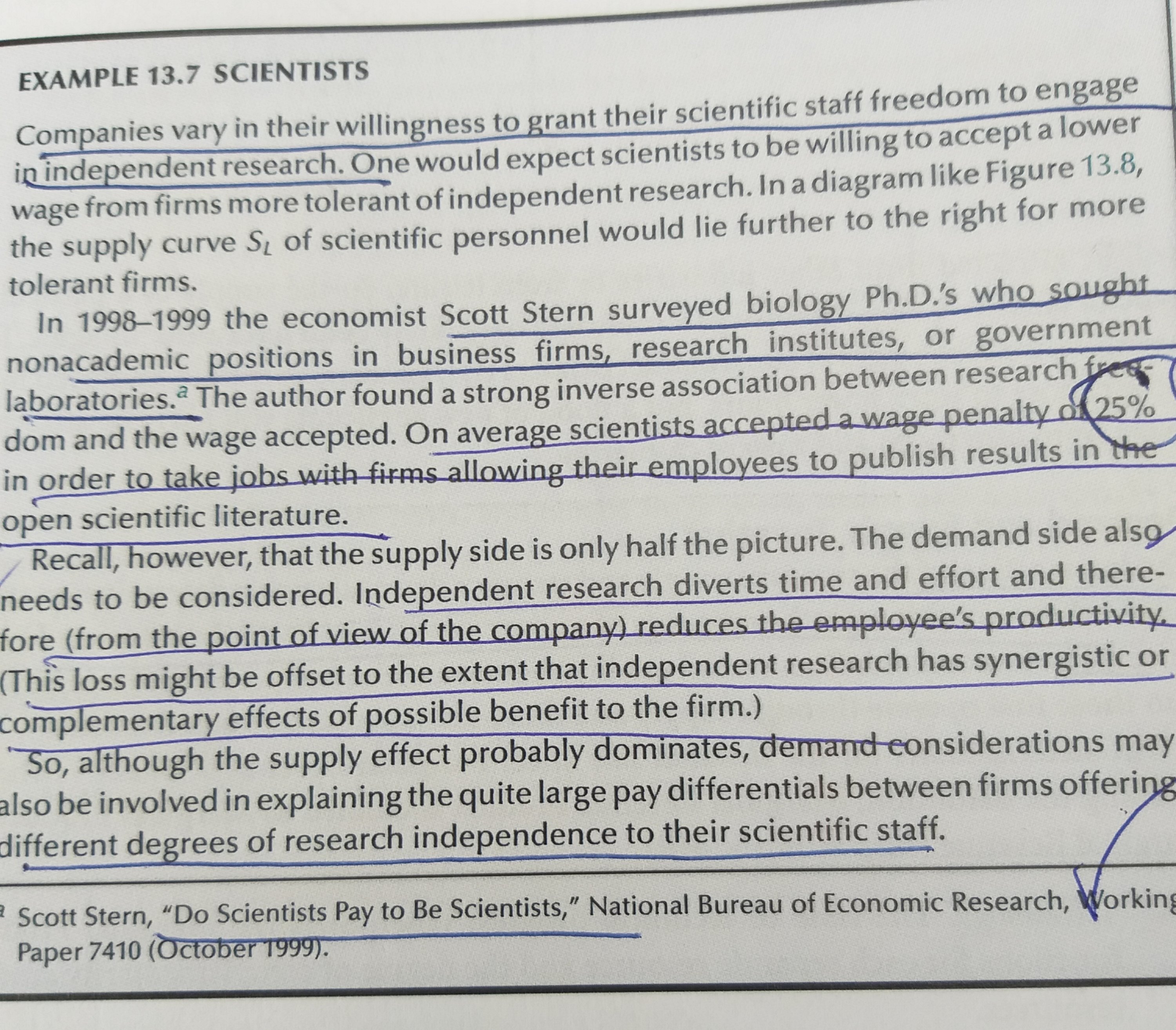
Jordan Peterson – why few women are in positions of power
15 Jun 2019 Leave a comment
in discrimination, economic history, economics of education, gender, health economics, human capital, labour economics, labour supply, occupational choice, poverty and inequality Tags: gender wage gap
More on equal opportunity intensifying occupational segregation: is the gender inequality paradox the most counterintuitive result in recent social science?
14 Jun 2019 Leave a comment
in economics of education, human capital, labour economics, occupational choice
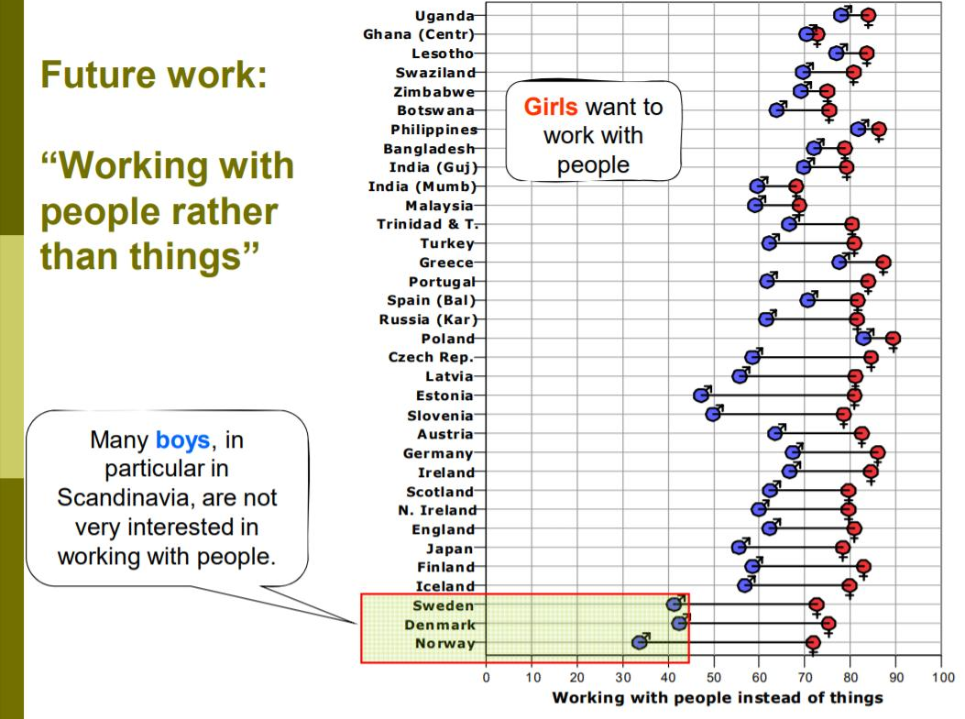
On average, girls are more interested than boys in working with people rather than things. Interestingly, the diffe… twitter.com/i/web/status/1…—
Steve Stewart-Williams (@SteveStuWill) June 13, 2019
Debunking Economic Myths | Mark Perry
13 Jun 2019 Leave a comment
in applied price theory, comparative institutional analysis, discrimination, economic history, economics of bureaucracy, economics of education, economics of regulation, gender, health and safety, human capital, income redistribution, international economics, labour economics, labour supply, occupational choice, politics - USA, Public Choice, rentseeking Tags: free trade, gender wage gap
 Utopia, you are standing in it!
Recent Comments