
Which occupations have the longest commutes?
05 Apr 2016 Leave a comment
in human capital, labour economics, occupational choice, transport economics, urban economics Tags: commuting times, compensating differentials

The gender pay gap, adjusted and unadjusted, USA, UK, Australia, Germany and France
26 Mar 2016 Leave a comment
in discrimination, econometerics, gender, human capital, labour economics, labour supply, occupational choice Tags: gender wage gap
https://twitter.com/adchamberlain/status/712647716229111808
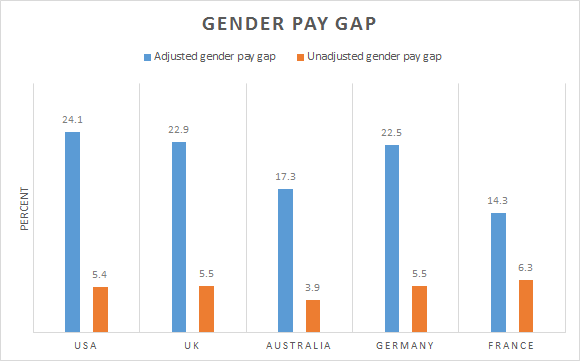
Source: Demystifying the Gender Pay Gap: Evidence from Glassdoor Salary Data – Glassdoor Economic Research via Wednesday evening links – AEI | Carpe Diem Blog » AEIdeas.
https://twitter.com/adchamberlain/status/713097526878953472
.
Do musicians ever make any money from recording music?
24 Mar 2016 Leave a comment
in economics of media and culture, labour economics, labour supply, Music, occupational choice

What to study if you want to become an evil scientist
22 Mar 2016 Leave a comment
in labour economics, occupational choice Tags: compensating differentials
Unadjusted US gender wage gap at the 10th, 50th and 90th percentiles in 1980, 1989, 1998 and 2010
19 Mar 2016 Leave a comment
in discrimination, economic history, gender, human capital, labour economics, labour supply, occupational choice Tags: compensating differentials, gender wage gap
Much ducking and diving is required to explain why the women with most options in life have the largest gender wage gap.
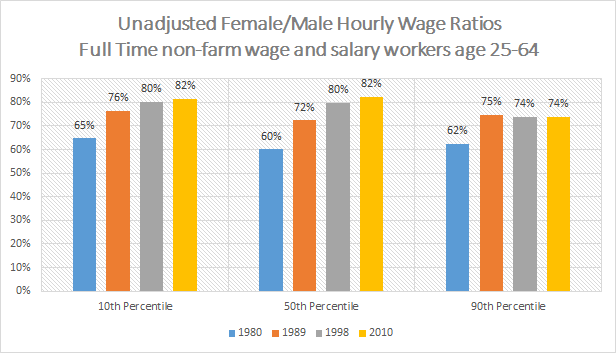
Source: The Gender Wage Gap: Extent, Trends, and Explanations by Francine D. Blau, Lawrence M. Kahn :: SSRN via Panel Study of Income Dynamic (PSID).
How is the gender pay gap going in the USA since 1980, adjusted and unadjusted?
19 Mar 2016 Leave a comment
in discrimination, gender, human capital, labour economics, labour supply, occupational choice, politics - USA Tags: compensating differentials, gender wage gap
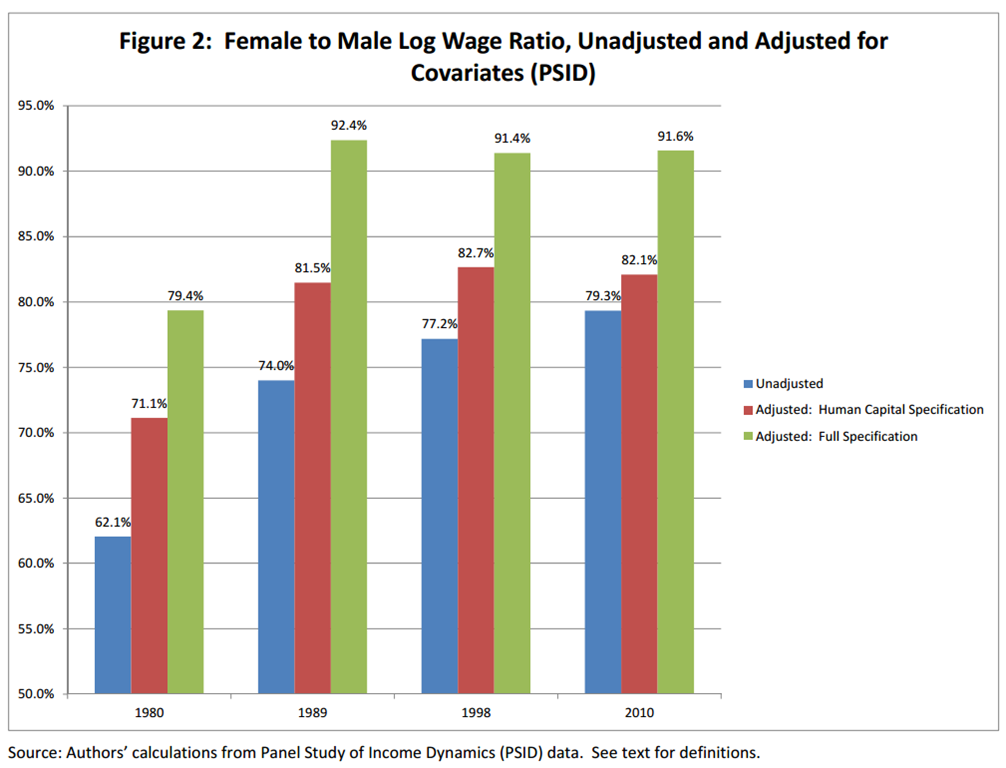
Source: The Gender Wage Gap: Extent, Trends, and Explanations by Francine D. Blau, Lawrence M. Kahn :: SSRN
Poverty rates in two-earner families in the USA
19 Mar 2016 Leave a comment
in labour economics, labour supply, occupational choice, poverty and inequality, welfare reform Tags: asymmetric marriage premium, child poverty, family poverty

HT: Matt Bruenig
The gender pay gap for high school leavers and graduates aged 35-44 in the US, UK, Canada, Denmark, Sweden, Australia and New Zealand
10 Mar 2016 Leave a comment
in discrimination, economics of education, gender, human capital, labour economics, labour supply, occupational choice Tags: compensating differentials, education premium, female labour force participation, gender wage gap, graduate premium, maternal labour force participation
The USA, the gender pay gap gets worse if you go to college. By contrast, in Sweden and especially Canada the gender pay gap is much less for graduates than for those with a high school education.
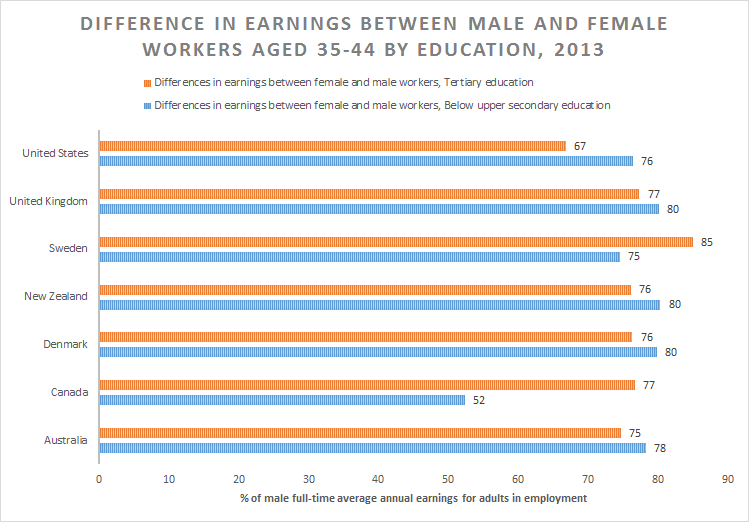
Data extracted on 09 Mar 2016 22:28 UTC (GMT) from OECD.Stat.
In most countries in the chart above, going on to university and graduating does not reduce the gender pay gap by the time you reach your late 30s and early 40s. Best explanation for that is that part of the graduate wage premium is traded for work-life balance.

No #livingwage for #ManchesterCatCafe Nanny! Perhaps an example of compensating differentials?
04 Mar 2016 Leave a comment
in economics of media and culture, labour supply, occupational choice

Men are 12X more likely than women to die from their jobs
28 Feb 2016 Leave a comment
in discrimination, gender, health and safety, labour economics, occupational choice Tags: workplace fatalities
 Utopia, you are standing in it!
Recent Comments