Having Children in Poverty: Kathryn Edin
29 Sep 2020 Leave a comment
in economics of crime, economics of love and marriage, gender, human capital, labour economics, labour supply, law and economics, occupational choice, poverty and inequality, unemployment, welfare reform Tags: child poverty, economic of fertility, family poverty, marriage and divorce
The Great Stagnation by Tyler Cowen
28 Sep 2020 Leave a comment
in applied price theory, comparative institutional analysis, constitutional political economy, development economics, econometerics, economic growth, economic history, growth disasters, growth miracles, history of economic thought, human capital, industrial organisation, labour economics, labour supply, law and economics, macroeconomics, poverty and inequality Tags: creative destruction, endogenous growth theory
North Korean Girl’s Culture Shock in America. Simply brilliant
27 Sep 2020 Leave a comment
in defence economics, development economics, economic history, economics of crime, growth disasters, health economics, labour economics, law and economics, liberalism, libertarianism, Marxist economics, politics - USA, property rights Tags: North Korea
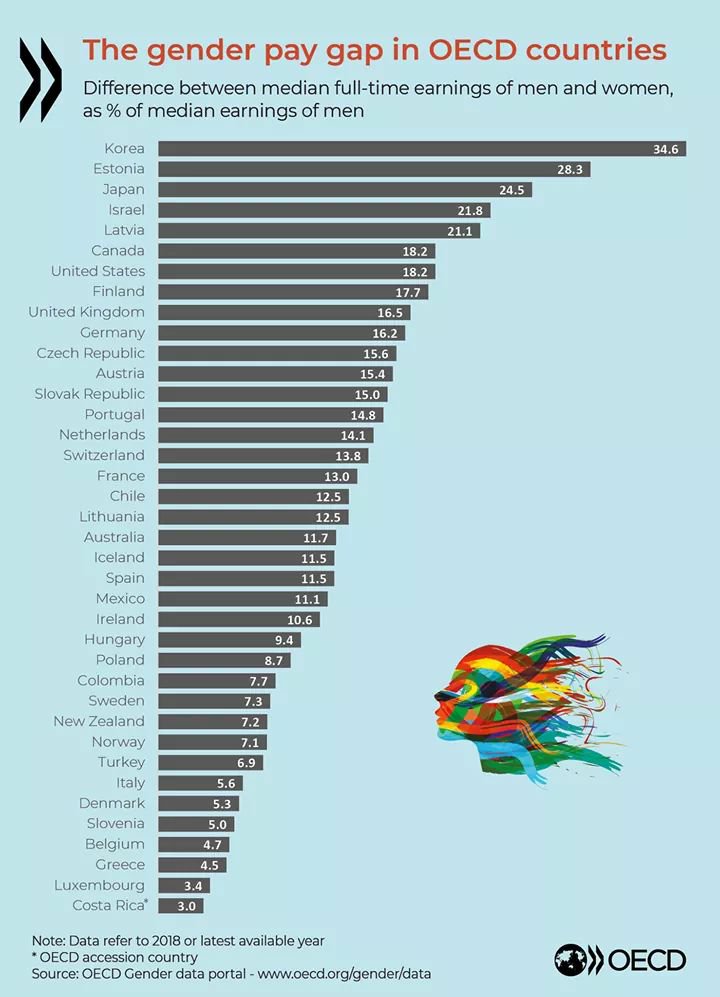
Gender wage gap
26 Sep 2020 Leave a comment
in discrimination, economics of education, gender, human capital, labour economics, labour supply, occupational choice, poverty and inequality Tags: gender wage gap
Lost on @Greens @AOC @NZGreens @nzlabour @amnesty
24 Sep 2020 Leave a comment
in discrimination, law and economics, liberalism, libertarianism, Marxist economics, politics - Australia, politics - New Zealand, politics - USA Tags: free speech, political correctness, regressive left

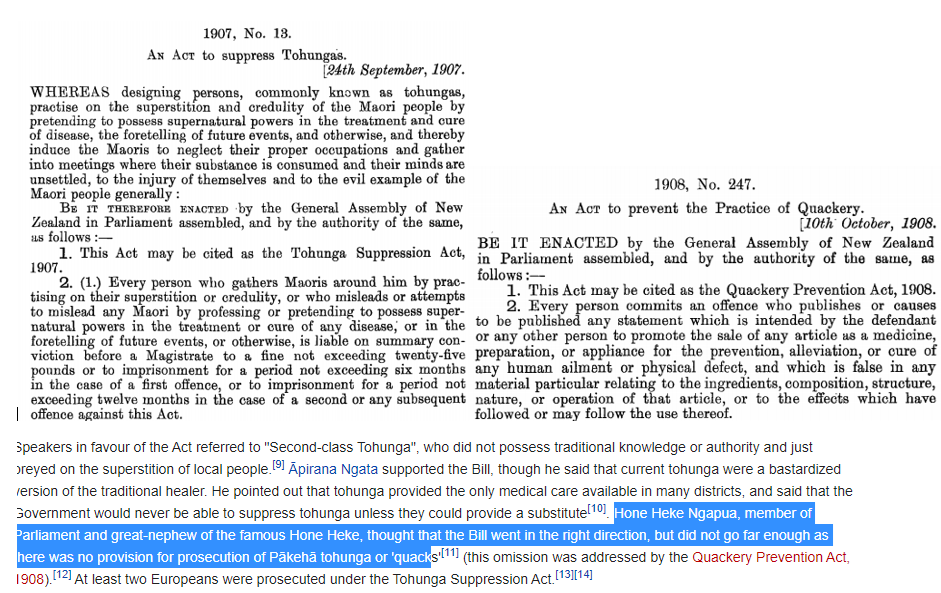
The suppression of faith healing and medical quackery in early New Zealand
23 Sep 2020 Leave a comment
Economic Reform in New Zealand | Ruth Richardson
23 Sep 2020 Leave a comment
in applied price theory, applied welfare economics, comparative institutional analysis, constitutional political economy, economic growth, economic history, economics of bureaucracy, economics of education, economics of regulation, entrepreneurship, financial economics, history of economic thought, human capital, income redistribution, industrial organisation, international economics, labour economics, labour supply, law and economics, macroeconomics, Marxist economics, minimum wage, occupational choice, occupational regulation, politics - New Zealand, poverty and inequality, privatisation, property rights, Public Choice, public economics, rentseeking, survivor principle, unemployment, unions, welfare reform Tags: creative destruction, offsetting behaviour, The fatal conceit, unintended consequences
Transgenderism and the underground economy
21 Sep 2020 Leave a comment
in economics of crime, gender, law and economics, politics - USA Tags: law and order

At the depths of the #COVID19 depression
20 Sep 2020 Leave a comment
in economic growth, economics of regulation, health economics, income redistribution, labour economics, macroeconomics, Marxist economics, minimum wage, politics - New Zealand, Public Choice, rentseeking, unemployment Tags: economics of pandemics, regressive left, The fatal conceit

Women’s sports
20 Sep 2020 Leave a comment
in discrimination, gender, law and economics, politics - USA, Public Choice, sports economics Tags: 2020 presidential election, political correctness, regressive left, sex discrimination

Female sport and the Equity Act 2010
20 Sep 2020 Leave a comment
in discrimination, gender, law and economics, property rights, sports economics Tags: political correctness, regressive left, sex discrimination

Angus Deaton: Epidemiology, randomised trials, and the search for what works in economic development
20 Sep 2020 Leave a comment
in comparative institutional analysis, development economics, econometerics, economic history, economics of bureaucracy, economics of education, economics of regulation, history of economic thought, labour economics, minimum wage, Public Choice Tags: philosophy of science, The fatal conceit
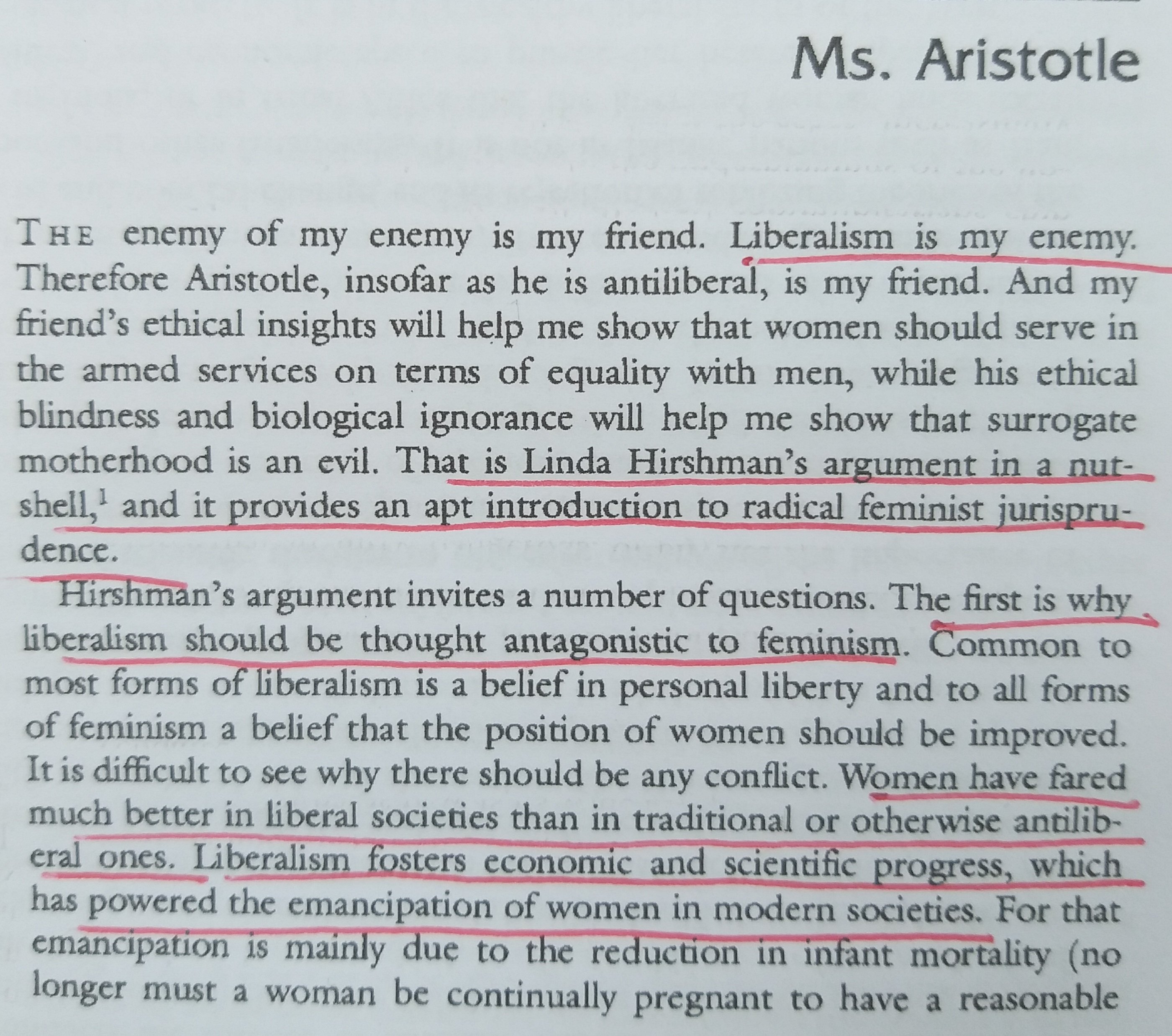
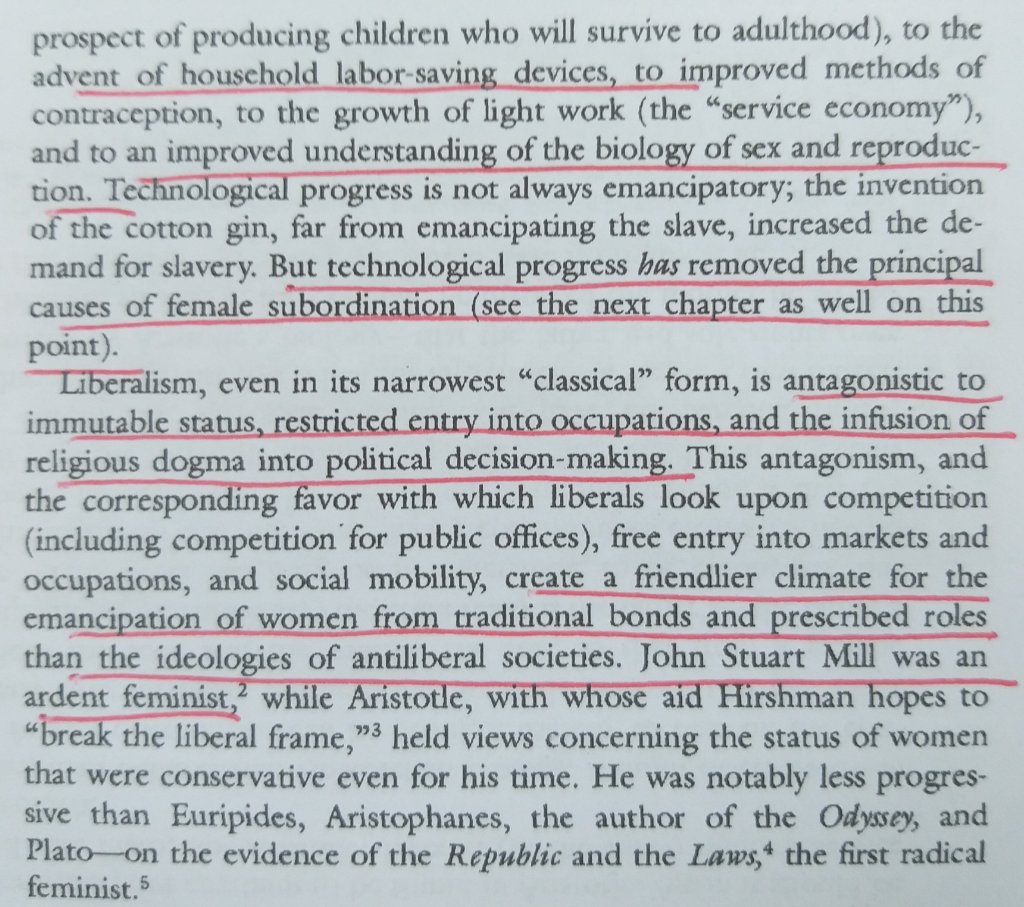
Posner on the left as feminism’s best home
19 Sep 2020 Leave a comment
in development economics, discrimination, economic history, economics of bureaucracy, economics of education, gender, growth disasters, growth miracles, health and safety, health economics, history of economic thought, human capital, income redistribution, labour economics, labour supply, law and economics, liberalism, libertarianism, Marxist economics, occupational choice, occupational regulation, politics - Australia, politics - New Zealand, politics - USA, poverty and inequality, property rights, Public Choice, Richard Posner, unemployment, unions, welfare reform Tags: child mortality, infant mortality, sex discrimination, The Great Enrichment, The Great Escape, women's liberation
How do B- students keep up with pace of medical school course, much less pass exams?
19 Sep 2020 Leave a comment
in discrimination, economics of bureaucracy, economics of education, human capital, income redistribution, labour economics, law and economics, occupational choice, politics - New Zealand, Public Choice, rentseeking Tags: affirmative action, racial discrimination

Dominion Post 19 September 2020, p. A7
Ruth Bader Ginsburg, Supreme Court Trailblazer, Dies at 87 | @WSJ
19 Sep 2020 Leave a comment
in discrimination, economics of bureaucracy, economics of crime, gender, income redistribution, law and economics, politics - USA, property rights, Public Choice, rentseeking Tags: 2020 presidential election, constitutional law
 Utopia, you are standing in it!
Recent Comments