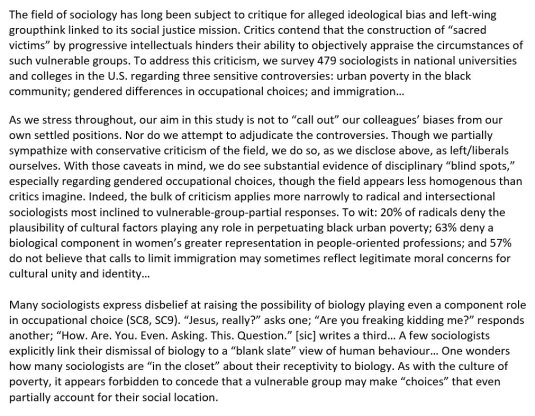
Interesting paper on sociologists' tendency to sacralize victim groups, and how this creates various blind spots for the field https://t.co/IRLt7uLGoQ cc. @JonHaidt pic.twitter.com/nN0vI3eUAe
— Steve Stewart-Williams (@SteveStuWill) July 29, 2018
Celebrating humanity's flourishing through the spread of capitalism and the rule of law
30 Jul 2018 Leave a comment
in discrimination, economics of crime, economics of education, gender, labour economics, law and economics, occupational choice, poverty and inequality Tags: gender wage gap
18 Jul 2018 Leave a comment
in applied price theory, applied welfare economics, economic history, entrepreneurship, labour economics, poverty and inequality Tags: top 1%
12 Jul 2018 Leave a comment
in applied price theory, entrepreneurship, human capital, labour economics, labour supply, occupational choice, poverty and inequality, public economics Tags: taxation and investment, taxation and labour supply, top 1%
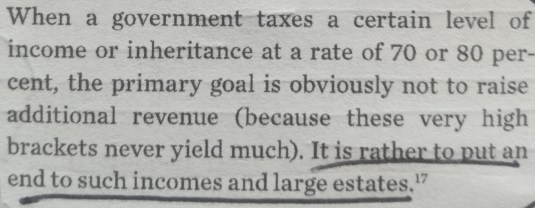
10 Jul 2018 Leave a comment
in applied price theory, discrimination, gender, labour economics, poverty and inequality Tags: compensating differences, gender wage gap

01 Jul 2018 1 Comment
in applied price theory, applied welfare economics, Marxist economics, poverty and inequality, Rawls and Nozick
01 Jul 2018 Leave a comment
in applied price theory, David Friedman, development economics, economic history, labour economics, poverty and inequality, welfare reform
14 Jun 2018 Leave a comment
in applied welfare economics, politics - USA, poverty and inequality Tags: top 1%

06 Jun 2018 Leave a comment
in economic history, human capital, labour economics, labour supply, minimum wage, occupational choice, poverty and inequality Tags: success sequence
31 May 2018 Leave a comment
in labour economics, poverty and inequality
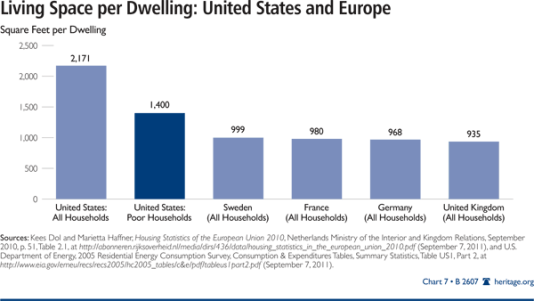
27 May 2018 Leave a comment
in applied price theory, labour economics, labour supply, politics - USA, poverty and inequality, unemployment Tags: social insurance, unemployment insurance, welfare state
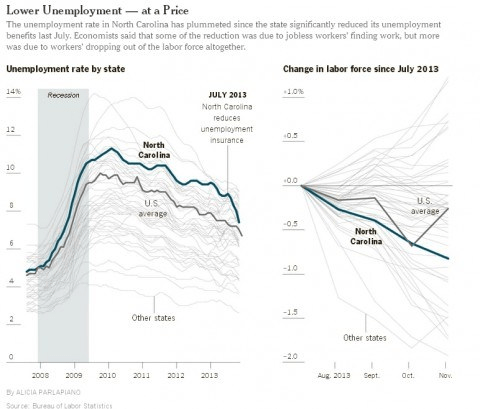
Celebrating humanity's flourishing through the spread of capitalism and the rule of law
Celebrating humanity's flourishing through the spread of capitalism and the rule of law
Celebrating humanity's flourishing through the spread of capitalism and the rule of law
Celebrating humanity's flourishing through the spread of capitalism and the rule of law
Celebrating humanity's flourishing through the spread of capitalism and the rule of law
A History of the Alt-Right
Econ Prof at George Mason University, Economic Historian, Québécois
Celebrating humanity's flourishing through the spread of capitalism and the rule of law
Scholarly commentary on law, economics, and more
Beatrice Cherrier's blog
Celebrating humanity's flourishing through the spread of capitalism and the rule of law
Celebrating humanity's flourishing through the spread of capitalism and the rule of law
Celebrating humanity's flourishing through the spread of capitalism and the rule of law
Why Evolution is True is a blog written by Jerry Coyne, centered on evolution and biology but also dealing with diverse topics like politics, culture, and cats.
Celebrating humanity's flourishing through the spread of capitalism and the rule of law
A rural perspective with a blue tint by Ele Ludemann
DPF's Kiwiblog - Fomenting Happy Mischief since 2003
Celebrating humanity's flourishing through the spread of capitalism and the rule of law
The world's most viewed site on global warming and climate change
Tim Harding's writings on rationality, informal logic and skepticism
A window into Doc Freiberger's library
Let's examine hard decisions!
Commentary on monetary policy in the spirit of R. G. Hawtrey
Thoughts on public policy and the media
Celebrating humanity's flourishing through the spread of capitalism and the rule of law
Politics and the economy
A blog (primarily) on Canadian and Commonwealth political history and institutions
Reading between the lines, and underneath the hype.
Economics, and such stuff as dreams are made on
"The British constitution has always been puzzling, and always will be." --Queen Elizabeth II
Celebrating humanity's flourishing through the spread of capitalism and the rule of law
Celebrating humanity's flourishing through the spread of capitalism and the rule of law
WORLD WAR II, MUSIC, HISTORY, HOLOCAUST
Undisciplined scholar, recovering academic
Celebrating humanity's flourishing through the spread of capitalism and the rule of law
Res ipsa loquitur - The thing itself speaks
In Hume’s spirit, I will attempt to serve as an ambassador from my world of economics, and help in “finding topics of conversation fit for the entertainment of rational creatures.”
Researching the House of Commons, 1832-1868
Articles and research from the History of Parliament Trust
Reflections on books and art
Posts on the History of Law, Crime, and Justice
Celebrating humanity's flourishing through the spread of capitalism and the rule of law
Exploring the Monarchs of Europe
Cutting edge science you can dice with
Small Steps Toward A Much Better World
“We do not believe any group of men adequate enough or wise enough to operate without scrutiny or without criticism. We know that the only way to avoid error is to detect it, that the only way to detect it is to be free to inquire. We know that in secrecy error undetected will flourish and subvert”. - J Robert Oppenheimer.


 Utopia, you are standing in it!
Recent Comments