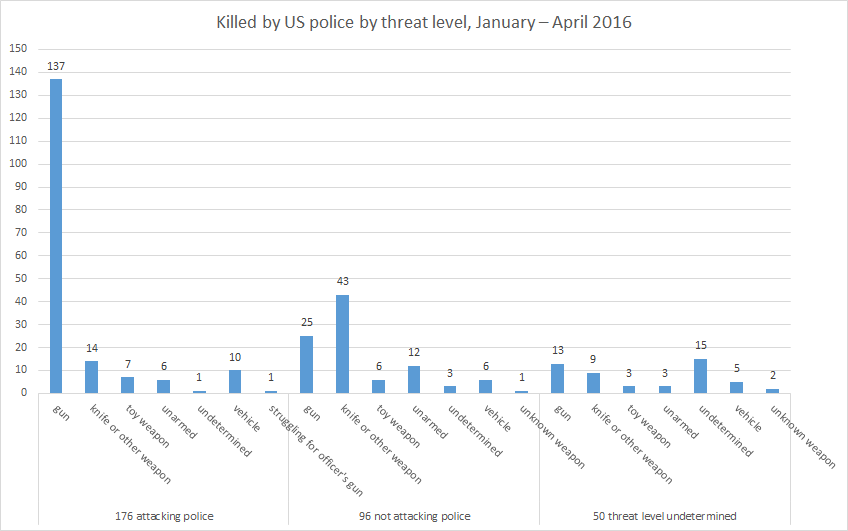
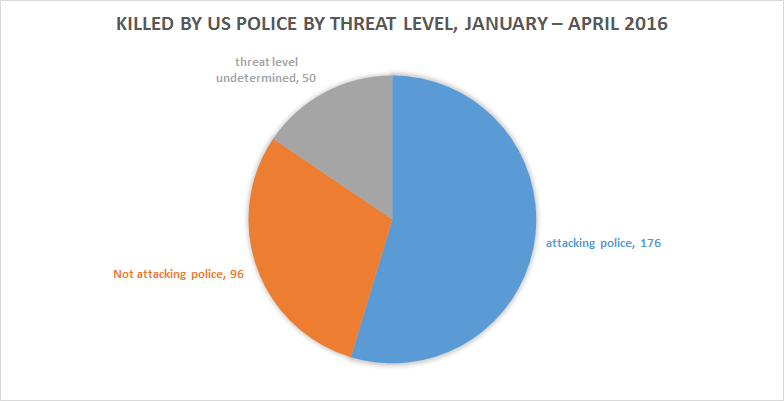
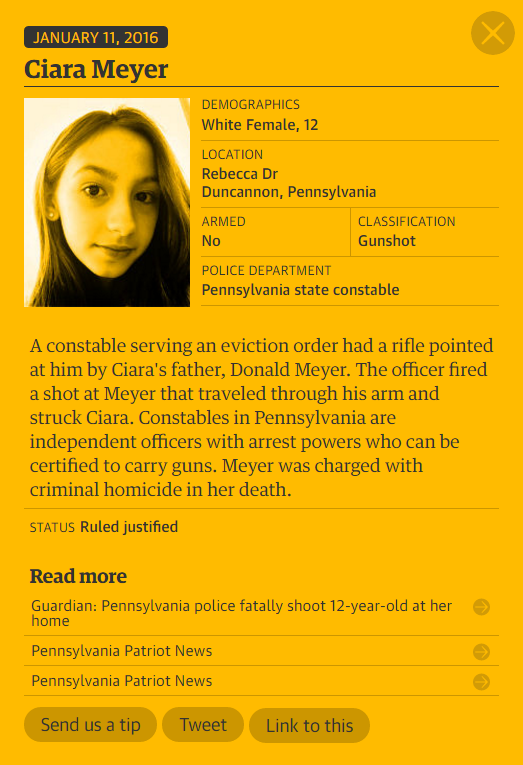
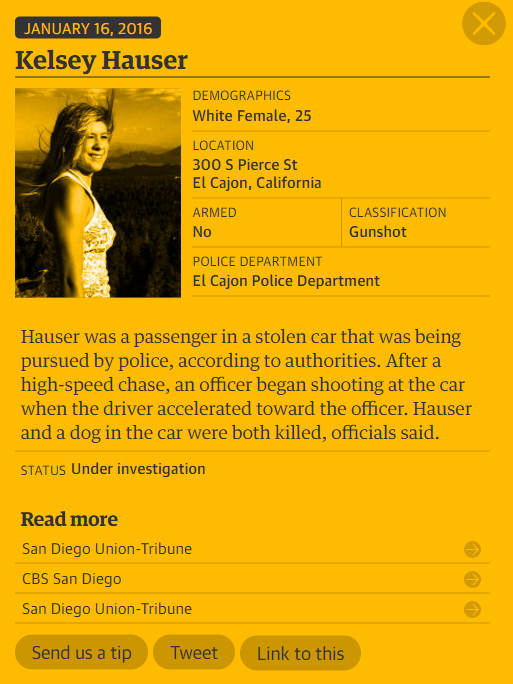
Crime has been trending downwards for 20 years in New Zealand
09 Dec 2015 Leave a comment
in economic history, economics of crime, law and economics, politics - New Zealand Tags: crime and punishment, law and order
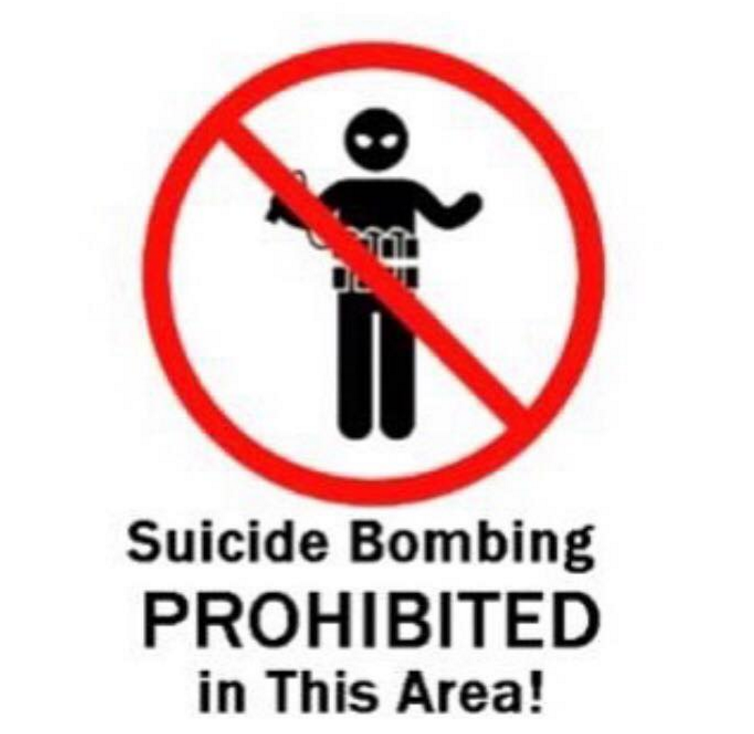
A hidden cost of terrorism
28 Nov 2015 1 Comment
in applied price theory, applied welfare economics, economics of crime, law and economics, transport economics, war and peace Tags: offsetting the, risk risk trade-offs, unintended consequences, war against terror
Marijuana regulation: there are many options
27 Nov 2015 Leave a comment
in applied price theory, economics of crime, economics of media and culture, economics of regulation, industrial organisation, law and economics Tags: marijuana decriminalisation
Psychic fails to foresee court case
26 Nov 2015 Leave a comment
in economics of crime, health economics, law and economics Tags: charlatans, consumer fraud, psychics, Quacks, welfare benefit fraud
@jeremycorbyn wants to abolish the army @johnmcdonnellMP disarm the police
24 Nov 2015 Leave a comment
in defence economics, economics of crime
That these claims about abolishing the military and disarming the police are far from absolute lies shows how far British Labour is out there. Corbyn did say what he said in an interview in 2013.
"SCLV is important for ensuring a clear program of socialist demands on
a Labour government." @johnmcdonnellMP http://t.co/mumQeyndyP—
Socialist Campaign (@SCLV_UK) April 02, 2015
The Shadow Chancellor did sign that letter despite his best protestations that that he never seen it, much less was photographed holding it up to the camera smiling for later tweeting.
It is clear that these men spent their lives shooting from the hip because they never expected to hold public office and have responsibility for safeguarding others. They expected to live their life in political obscurity despite their dreams to the contrary. Now that they do have responsibility, they are just out of their depth. Corbyn and McDonnell spend a considerable part of their time lying about their previous record.
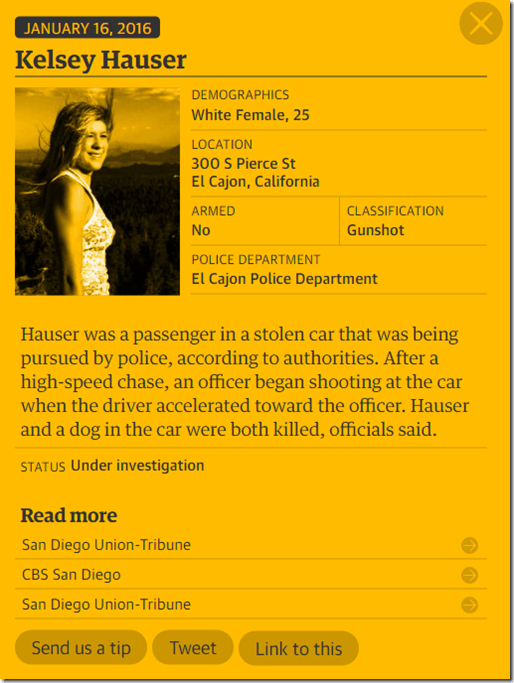
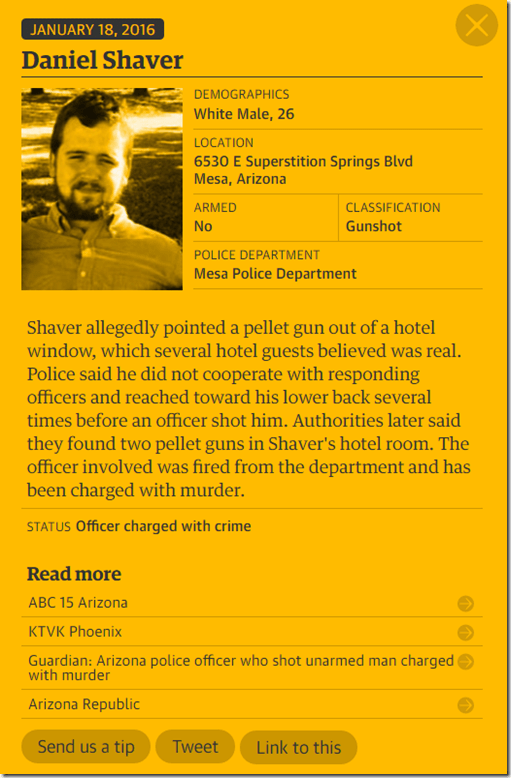
27 unarmed whites killed by police since 1 January 2015 by threat level
21 Nov 2015 Leave a comment
in economics of crime, law and economics, politics - USA
I did some recoding again because the Washington Post categorises people as not attacking when they are reaching inside their jacket or a car when challenged not to do so or charging armed police. The Washington Post counted 13 whites as no attack in progress. I count six. The three killed in crossfire were a six-year-old, a woman shot when police were aiming at her dog, and a passenger in a fleeing car.

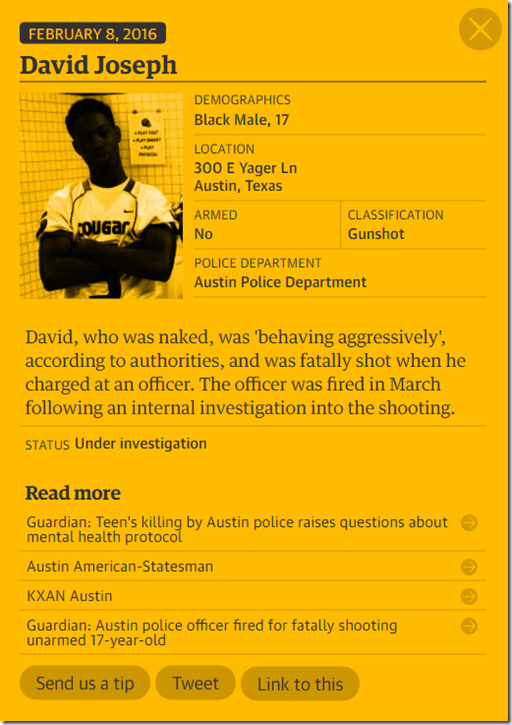
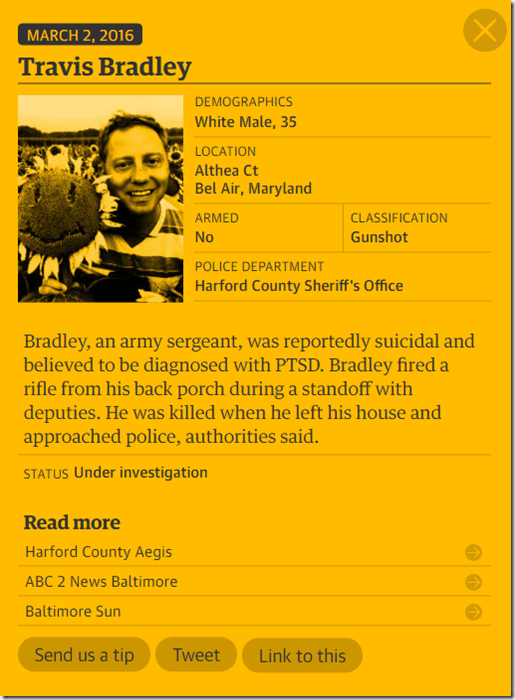
30 unarmed Blacks killed by police by threat level since 1 January 2015
20 Nov 2015 Leave a comment
in economics of crime, law and economics, politics - USA
Before I go to the coding errors by the Washington Post, two were killed by a police stray bullets so there is no intention to kill that person no matter what their race might be. One of the 30 was killed by a 74-year-old sheriff’s reserve deputy who fumbled his weapons while trying to subdue the deceased who was on the ground fighting with other officers. That was a tragic accident. There was no police intention to kill despite the negligence. Perhaps the correct number is 27.

Source: Investigation: Police shootings – Washington Post.
12 of the 30 deceased were attacking police according to the coding of the Washington Post. When you read the details of the 13 classified as no attack in progress, seven must be reclassified. A threat level makes no sense if you’re accidentally killed by police stray bullet as just mentioned.
One of the deceased got out of his car then reached inside despite police commands not to do so, but was still classified as no attack in progress. He was shot because the police thought he was going for a gun.
Three of the deceased were mentally ill, of which two are charging the police with the weapon of some sort and another look like he had a weapon. They were attacking police which is contrary to the coding of the Washington Post that they weren’t.
Another of the deceased was shot struggling with the policeman who got into the car which he then drove off in at speed. The car later crashed after the shooting.
Then we’re back to the 74-year-old sheriff’s reserve deputy who fired his gun instead of the Taser as mentioned before. That shooting too was classified as no attack in progress despite the fact the deceased was struggling with officers. The sheriff’s deputy was trying to use his Taser to subdue the man resisting arrest violently. Not sure how a policeman can confuse a gun with the Taser but it was a high stress situation of a suspect who was struggling with police.
All in all, at most 10 of the unarmed blacks deliberately shot in America this year by police were not attacking at the time.
The Guardian argues that 1013 were killed by police this year in the USA. The Washington Post puts this number at 871 as of today. Either way, about 1% of these deaths were of an unarmed black who was not attacking police. Of that 10 who were shot, a number will turn out to be justifiable shootings. A few of these police shootings will not be justified and will result in criminal prosecutions.
Police officers who shoot an unarmed suspect at a safe distance are highly likely to be charged as I have previously argued. The Washington Post confirmed that with its investigator journalism finding that only 5% of the police shootings it reviewed for 2015 were suspicious in terms of police misconduct.
@amyadamsMP Justice Michael Kirby on the battered woman’s defence
20 Nov 2015 Leave a comment
in economics of crime, law and economics, politics - New Zealand, politics - USA Tags: battered woman's defence, crime and punishment, criminal deterrence, criminal procedure, Justice Michael Kirby, law and order
218 Blacks killed by police since 1 January 2015 by threat level
19 Nov 2015 Leave a comment
in economics of crime, law and economics, politics - USA
Surprisingly few Blacks killed by police this year in the USA were simply unarmed – at least 13 but no more than 20 or so. Nearly all of the rest were attacking or carrying a deadly weapon.

Deaths by police taser by race since 1 January 2015
19 Nov 2015 Leave a comment
in economics of crime, law and economics, politics - USA
@amyadamsMP Bias in the battered women’s syndrome as a defence for murder
18 Nov 2015 Leave a comment
in economics of crime, law and economics, politics - Australia, politics - New Zealand Tags: battered woman's defence, crime and punishment, criminal deterrence, criminal procedure, Justice Michael Kirby, law and order
The 1000 or 864 people killed by police since 1 January 2015 by threat level
18 Nov 2015 2 Comments
in economics of crime, law and economics
The Guardian numbers are higher than those of the Washington Post investigation in part because they include deaths in custody and people run over by police including in routine car accidents.

The Washington Post breakdown includes threat level such as whether the deceased were attacking police and what type of weapon they were found to have been carrying, if any.

Source: Investigation: Police shootings – Washington Post.
Before you get too excited, in the aftermath of the recent Paris attacks, it was pointed out that the British police have difficulty recruiting to their armed response units because of the legal hassles involved if an armed police officer shoots anyone. There are 6000 authorised firearm officers in the UK. All 288,000 French police are armed – often with automatic weapons.
Escaping from Australian immigration detention facilities – what’s the point?
12 Nov 2015 Leave a comment
in applied price theory, economics of crime, politics - Australia
Some poor bugger died shortly after escaping from the Australian immigration detention facility on Christmas Island a few days ago. I wonder where he was intending to escape?
Christmas Island is in the middle of the Indian Ocean and the only way off is by the airport. He had nowhere to run. There would be lucky to be 2000 people living on the small island of Christmas Island so he would stand out very quickly.
Many years ago, a fight broke out one breakfast time between the different nationalities regarding the management of the canteen at the Port Hedland immigration detention facility. They resolved the differences about this largely self-managed canteen where each cooked their own foods by deciding to stage a spontaneous escape.
As they marched down the road, free at last, the manager of the facility caught up with them. He asked them where were they going? He said it already telephoned Greyhound buses and told them not to sell them bus tickets. Perth is 1300 km away from Port Hedland. The manager of the facility suggested they all come back to settle things over a cuppa as it was warming up as noon was approaching.
Psychopaths versus sociopaths: what is the difference? by Xanthe Mallett
05 Nov 2015 Leave a comment
in applied price theory, economics of crime, law and economics Tags: crime and punishment, criminal deterrence, criminal psychiatry, economics of personality traits, law and order, psychopaths, sociopaths
Psychopath and sociopath are popular psychology terms to describe violent monsters born of our worst nightmares. Think Hannibal Lecter in Silence of the Lambs (1991), Norman Bates in Psycho (1960) and Annie Wilkes in Misery (1990). In making these characters famous, popular culture has also burned the words used to describe them into our collective consciousness.
Most of us, fortunately, will never meet a Hannibal Lecter, but psychopaths and sociopaths certainly do exist. And they hide among us. Sometimes as the most successful people in society because they’re often ruthless, callous and superficially charming, while having little or no regard for the feelings or needs of others.
These are known as “successful” psychopaths, as they have a tendency to perform premeditated crimes with calculated risk. Or they may manipulate someone else into breaking the law, while keeping themselves safely at a distance. They’re master manipulators of other peoples’ feelings, but are unable to experience emotions themselves.
Sound like someone you know? Well, heads up. You do know one; at least one. Prevalence rates come in somewhere between 0.2% and 3.3% of the population.
If you’re worried about yourself, you can take a quiz to find out, but before you click on that link let me save you some time: you’re not a psychopath or sociopath. If you were, you probably wouldn’t be interested in taking that personality test.
You just wouldn’t be that self-aware or concerned about your character flaws. That’s why both psychopathy and sociopathy are known as anti-social personality disorders, which are long-term mental health conditions.

Although most of us will never meet someone like Hannibal Lecter from Silence of the Lambs, we all know at least one sociopath. from shutterstock.com
What’s the difference?
Psychopaths and sociopaths share a number of characteristics, including a lack of remorse or empathy for others, a lack of guilt or ability to take responsibility for their actions, a disregard for laws or social conventions, and an inclination to violence. A core feature of both is a deceitful and manipulative nature. But how can we tell them apart?
Sociopaths are normally less emotionally stable and highly impulsive – their behaviour tends to be more erratic than psychopaths. When committing crimes – either violent or non-violent – sociopaths will act more on compulsion. And they will lack patience, giving in much more easily to impulsiveness and lacking detailed planning.
Psychopaths, on the other hand, will plan their crimes down to the smallest detail, taking calculated risks to avoid detection. The smart ones will leave few clues that may lead to being caught. Psychopaths don’t get carried away in the moment and make fewer mistakes as a result.
Both act on a continuum of behaviours, and many psychologists still debate whether the two should be differentiated at all. But for those who do differentiate between the two, one thing is largely agreed upon: psychiatrists use the term psychopathy to illustrate that the cause of the anti-social personality disorder is hereditary. Sociopathy describes behaviours that are the result of a brain injury, or abuse and/or neglect in childhood.
Psychopaths are born and sociopaths are made. In essence, their difference reflects the nature versus nurture debate.
There’s a particularly interesting link between serial killers and psychopaths or sociopaths – although, of course, not all psychopaths and sociopaths become serial killers. And not all serial killers are psychopaths or sociopaths.

Thomas Hemming murdered two people in 2014 just to know what it felt like to kill. Tracey Nearmy/AAP Image
But America’s Federal Bureau of Investigation (FBI) has noted certain traits shared between known serial killers and these anti-social personality disorders. These include predatory behaviour (for instance, Ivan Milat, who hunted and murdered his seven victims); sensation-seeking (think hedonistic killers who murder for excitement or arousal, such as 21-year-old Thomas Hemming who, in 2014, murdered two people just to know what it felt like to kill); lack of remorse; impulsivity; and the need for control or power over others (such as Dennis Rader, an American serial killer who murdered ten people between 1974 and 1991, and became known as the “BTK (bind, torture, kill) killer”).
A case study
The Sydney murder of Morgan Huxley by 22-year-old Jack Kelsall, who arguably shows all the hallmarks of a psychopath, highlights the differences between psychopaths and sociopaths.
In 2013, Kelsall followed Huxley home where he indecently assaulted the 31-year-old before stabbing him 28 times. Kelsall showed no remorse for his crime, which was extremely violent and pre-meditated.
There’s no doubt in my mind he’s psychopathic rather than sociopathic because although the murder was frenzied, Kelsall showed patience and planning. He had followed potential victims before and had shared fantasies he had about murdering a stranger with a knife with his psychiatrist a year before he killed Huxley, allegedly for “the thrill of it”.
Whatever Kelsall’s motive, regardless of whether his dysfunction was born or made, the case stands as an example of the worst possible outcome of an anti-social personality disorder: senseless violence perpetrated against a random victim for self-gratification. Throughout his trial and sentencing, Kelsall showed no sign of remorse, no guilt, and gave no apology.
A textbook psychopath, he would, I believe, have gone on to kill again. In my opinion – and that of the police who arrested him – Kelsall was a serial killer in the making.
In the end, does the distinction between a psychopath and sociopath matter? They can both be dangerous and even deadly, the worst wreaking havoc with people’s lives. Or they can spend their life among people who are none the wiser for it.
This article was originally published on The Conversation in July 2015. Read the original article. Republished under the a Creative Commons Attribution No Derivatives licence.


Recent Comments